Chacao
Chacao
At the northern tip of Chiloé island, Chacao preserves the memory of Spain's earliest trading posts. Wooden church, bustling channel, ferries, and Commerson's dolphins.
Discover Chacao, a dynamic settlement at the far north of Chiloé island in Chile's Los Lagos region. This is a compelling destination steeped in history and maritime character, known for its colonial heritage, historic architecture, and natural wonders. Explore the local waterfront, wander past UNESCO heritage sites, and immerse yourself in the rich cultural tapestry of this remote Chilean outpost. An unforgettable journey awaits you in Chacao.
Its History
The town of Chacao was founded in 1567 under the name San Antonio de Chacao. Its name honors the cacique Chacao, who resisted Spanish colonization in the sixteenth century. In 1567, the fort San Antonio de Chacao became the first permanent Spanish settlement in the archipelago. It was erected on the shores of the Chacao Channel. The military enclaves of San Miguel de Calbuco and San Antonio de Ribera de Carelmapu, founded in 1602 and 1603 respectively, spurred colonial expansion into new coastal sectors of Chiloé, both island and mainland.
Evolving from a simple fort into a small town over its first two centuries, it became from 1655 onwards the residence of the governor, establishing Carelmapu as the main military position in Chiloé province. This importance is underscored by the "Palacio del Rey," a two-story wooden construction defended by four cannons, which served as the residence of Chiloé's governors from 1740 onward. Leopoldo López served as mayor of Chacao from 2000 to 2008.
Current projects include the construction of the Chiloé Bridge, which would span the Chacao Channel to link the island to the mainland.
Set Out on an Adventure to Chacao
In Chacao, a Chilean town situated at the far northern reaches of Chiloé island in the Los Lagos region, discover a destination rich in history and vitality. Part of the Ancud municipality, it rests just south of the Chacao Channel, which gracefully separates the island from the continent. The nearby Chiloé Bridge project promises a convenient link between these two lands.
The channel, where a small town of the same name comes into view, reveals remarkable architecture, including Spanish churches from the sixteenth century.
Located in the Los Lagos region, this town presents itself as a dynamic settlement with profound historical significance. Recognized for its UNESCO heritage and colonial importance, it stands as a beacon of Chilean maritime culture. Notable architectural landmarks, historic sites, and cultural institutions draw visitors from around the world. Prestigious enterprises and organizations have established themselves here, accompanied by well-regarded accommodations.
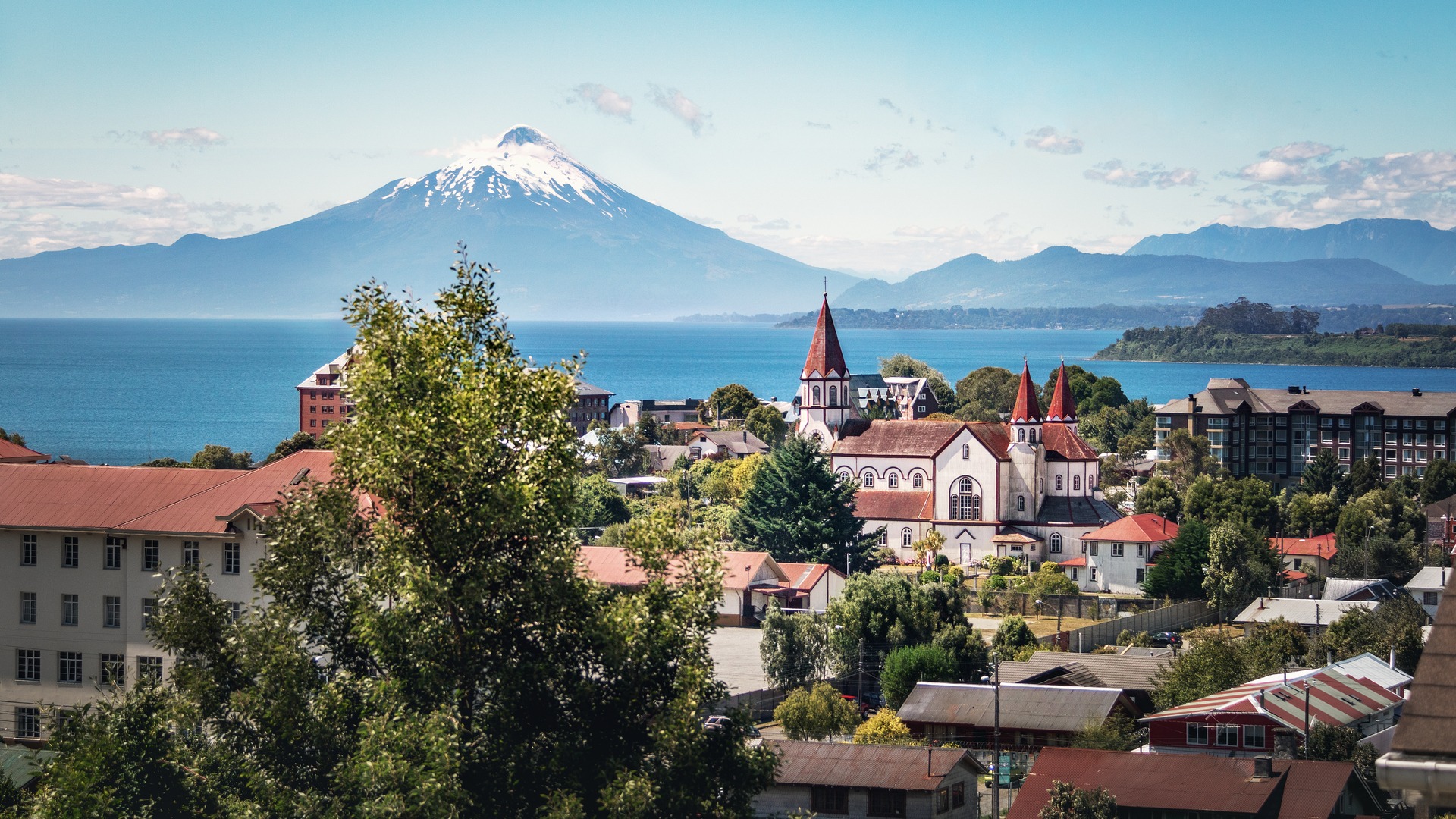
Venture to discover its major attraction: the San Antonio de Chacao church, built in 1710. To the east, explore another wooden church in Chacao Viejo, beside the walls of an old colonial fort. The Plaza de Chacao Viejo displays two historic cannons.
Climate
Chacao's climate is characterized by a temperate oceanic pattern with no dry season. Summer precipitation is significantly higher than during the winter season. The average annual temperature reaches 10.4°C, accompanied by average annual rainfall of 1,600.5 mm.
Must-See Attractions
- Chacao Channel waterfront
- San Antonio de Chacao Church (UNESCO heritage site)
- Chacao Viejo historic quarter
- Plaza de Chacao Viejo
- Colonial fort ruins
- Local fishing village markets
Want to discover this destination?
Our local advisors design your tailor-made trip.