Dalcahue on Chiloé Island
Dalcahue on Chiloé Island
On Chiloé's east coast, Dalcahue combines a UNESCO wooden church, artisanal Sunday market and curanto cooked underground. A key stop in Chilote culture.
Take a cultural and culinary pause in the commune of Dalcahue during your time on Chiloé Island. Within a peaceful and authentic atmosphere, let yourself be welcomed by magnificent natural landscapes, including Achao Beach, perfect for relaxation. To learn more about traditional Chilote culture, head to this island.
Its History
During pre-Hispanic times, Dalcahue was a meeting point frequented by the Chonos and inhabited by the Huilliches. Its strategic position along the Dalcahue Channel made it the natural passage point to Quinchao Island, also attracting Spanish conquistadors.
The name "Dalcahue" originates from Mapudungun of Chiloé, meaning the "place of dalcas," referring to the three-plank boats used by the Chonos. In 1567, the expedition led by Martín Ruiz de Gamboa formalized the occupation of the Chiloé archipelago. The first city founded was Tenaún, but the idea of establishing the capital at San Juan was abandoned due to significant tidal variations.
During the colonial period, Dalcahue was a mixed community of Spanish and indigenous peoples. By 1787, it had 662 inhabitants, primarily Spanish. When Chile declared independence, the people of Chiloé, loyal to the Spanish Crown, fought for 16 years against patriotic forces. The Battle of Mocopulli in 1824, near Dalcahue, was a crucial moment when Chilean troops had to retreat.
By late 1842, Dalcahue housed 897 homes. Construction of the current church began in 1858. Before the 1960 earthquake, many dwellings were built on stilts.
Discover Dalcahue
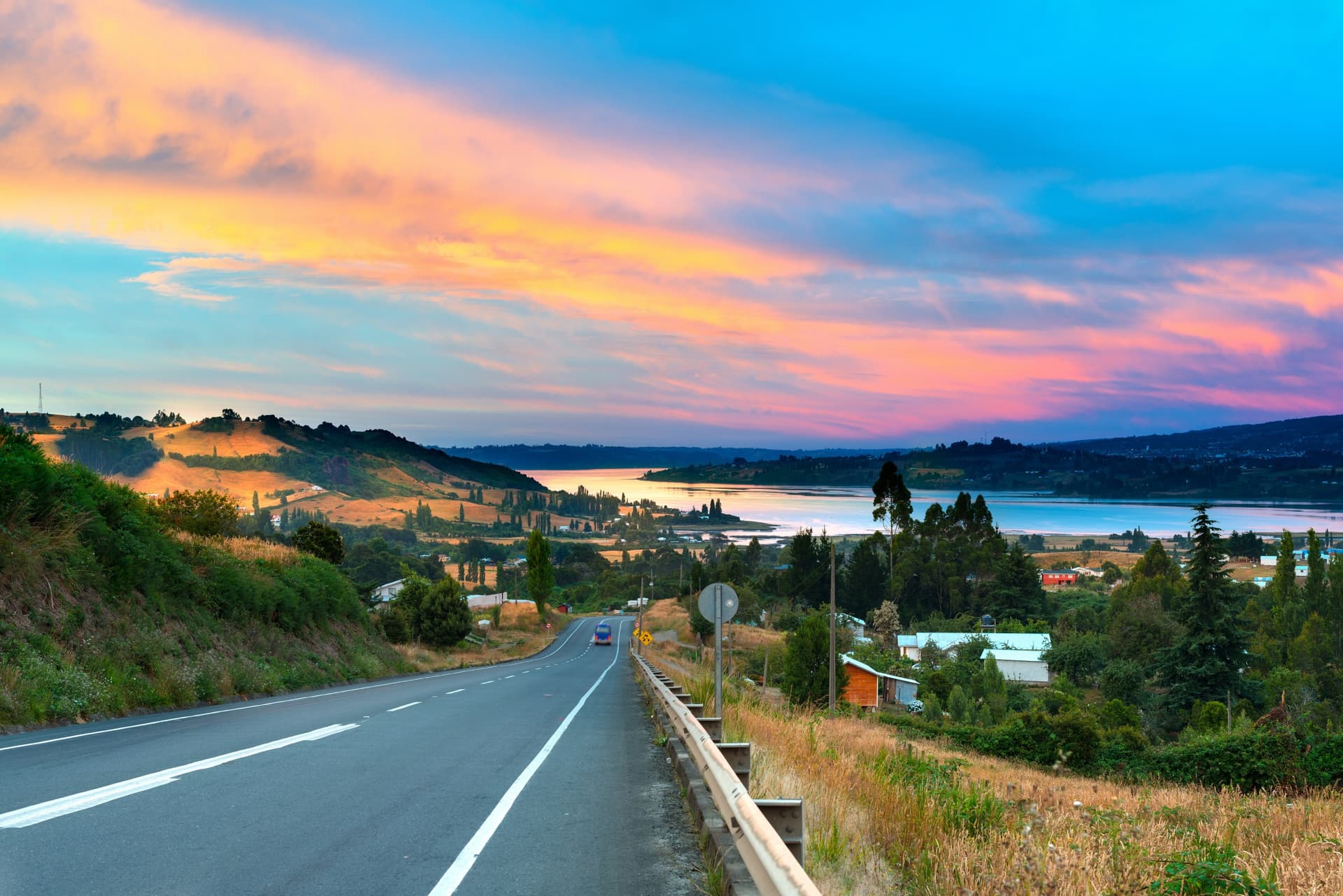
Dalcahue is a commune located in Chiloé Province, in the Lakes Region of Chile. It reveals itself as a destination steeped in history and traditions. Situated in the north of Chiloé Island, it is characterized by a concentration of population along the coast and offers stunning views of the Gulf of Ancud, between the Isla Grande de Chiloé and the continent. At 1,028 km south of Santiago and 117 km south-southwest of Puerto Montt, this 1,239 km² commune occupies a central position between the capital and the coastal region.
As the capital of Dalcahue commune, in the Los Lagos region of Chile, the city extends along the north coast of the Dalcahue Channel, on the east coast of the Chiloé archipelago's Main Island. As the epicenter, the city stands as a major fishing port.
Endowed with a diversified economy, Dalcahue thrives in sectors such as tourism, fishing, agriculture and livestock farming.
Discover Dalcahue's Heritage Treasures
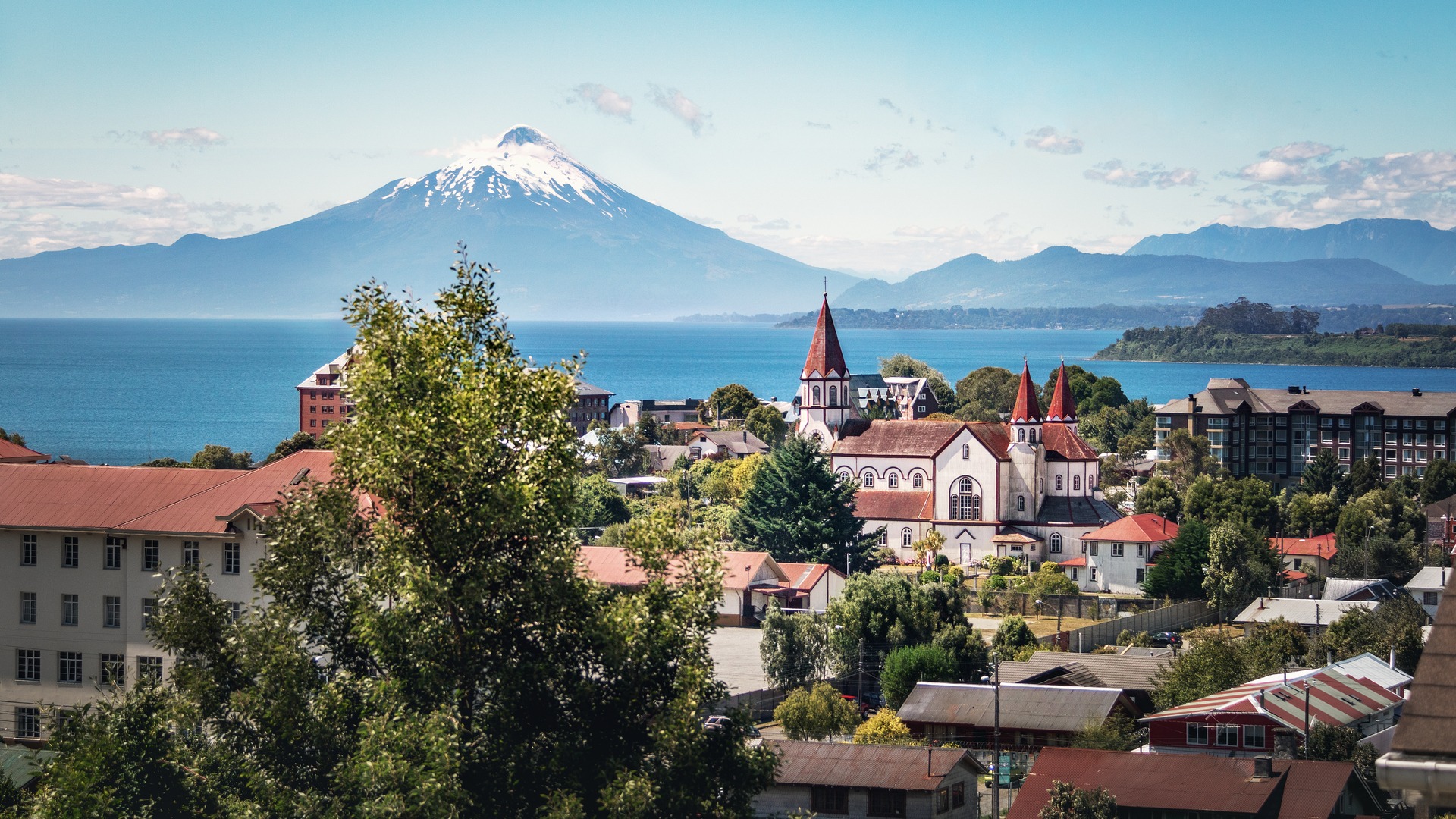
At the heart of this city, three wooden churches are among the 16 architectural gems of the Chiloé archipelago, honored by their inscription on UNESCO's World Heritage List. Notable among them, the Church of Nuestra Señora de los Dolores de Dalcahue, erected in 1858 on the remains of a 17th-century missionary chapel, elegantly illustrates Chilote architecture. Similarly, the churches of San Juan, built in the mid-19th century, and Tenaún, dating from 1842, add significant historical and cultural dimension to this region.
What to Do?
Head to the Artisanal Market
This coastal town distinguishes itself as a destination of choice for craft enthusiasts. Its Sunday market attracts artisans from all backgrounds. The range of wool articles, such as sweaters, hats and thick socks, all hand-dyed with natural pigments, offers visitors the opportunity to acquire authentic souvenirs. Even outside Sunday, a more intimate version of the market enlivens the city throughout the week.
Visit the Ethnographic History Museum
This venue is housed in a house on stilts, where a variety of collections trace the evolution of Chiloé's inhabitants over time. Immerse yourself in the history of family agricultural activities, crafts, fishing, and discover an authentic replica of a dalca.
Visit the Three Wooden Churches of the Chiloé Archipelago
Taste Local Cuisine
Chilote cuisine, renowned for its seafaring delights, unfolds through a gastronomic experience in Dalcahue. Awaken your palate with traditional flavors by savoring curanto. It's a feast concocted with a mixture of seafood, meat and vegetables, cooked in a hole dug in the ground, covered with hot stones.
Boat Excursion
Departing from Dalcahue's port, treat yourself to a maritime escape to neighboring islands. These boat excursions reveal the splendor of the Chiloé archipelago, unveiling its picturesque islands, bays and colonies of seabirds. Take this opportunity to meet local fishermen and dive into their daily lives.
Attend the Local Festival
Each year, Dalcahue lights up during the Fishermen's Festival. This colorful event celebrates local culture through traditional dances, rousing folk music concerts and craft demonstrations.
Bird Watching
Bird enthusiasts will have the opportunity to indulge in bird watching year-round. Cormorants, gulls and herons brighten the landscape.
What's the Weather Like in Dalcahue?
Dalcahue enjoys an oceanic temperate climate, characterized by the absence of a dry season. Precipitation is higher in summer compared to winter. On average, the annual temperature hovers around 11.2°C, and precipitation averages 871.2 mm.
The optimal time to visit Dalcahue is the month of February.
How to Get There?
From Puerto Montt and Ancud
To reach Dalcahue, buses are available from Puerto Montt and Ancud. Departures run between 11am and 5pm, with fares of $11 USD from Puerto Montt for a journey of approximately 3 hours 10 minutes.
From Ancud, allow 1 hour 4 minutes for $4 USD.
From Castro
You can take a bus that costs $1 to $75. The journey is just half an hour.
Taxis are also available for $14 to $18. The journey takes only 20 minutes.
Want to discover this destination?
Our local advisors design your tailor-made trip.