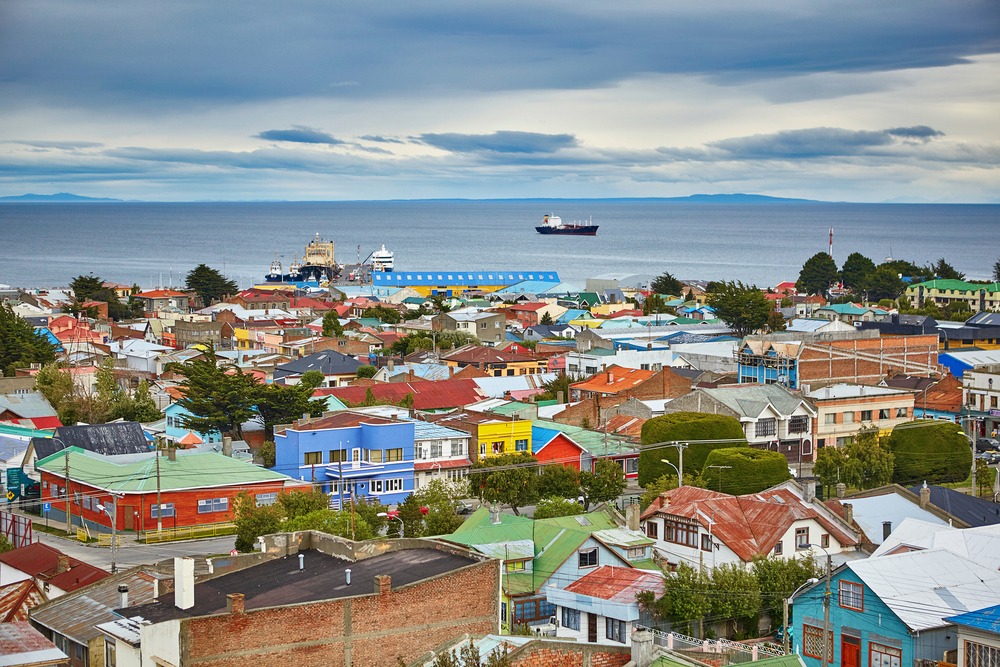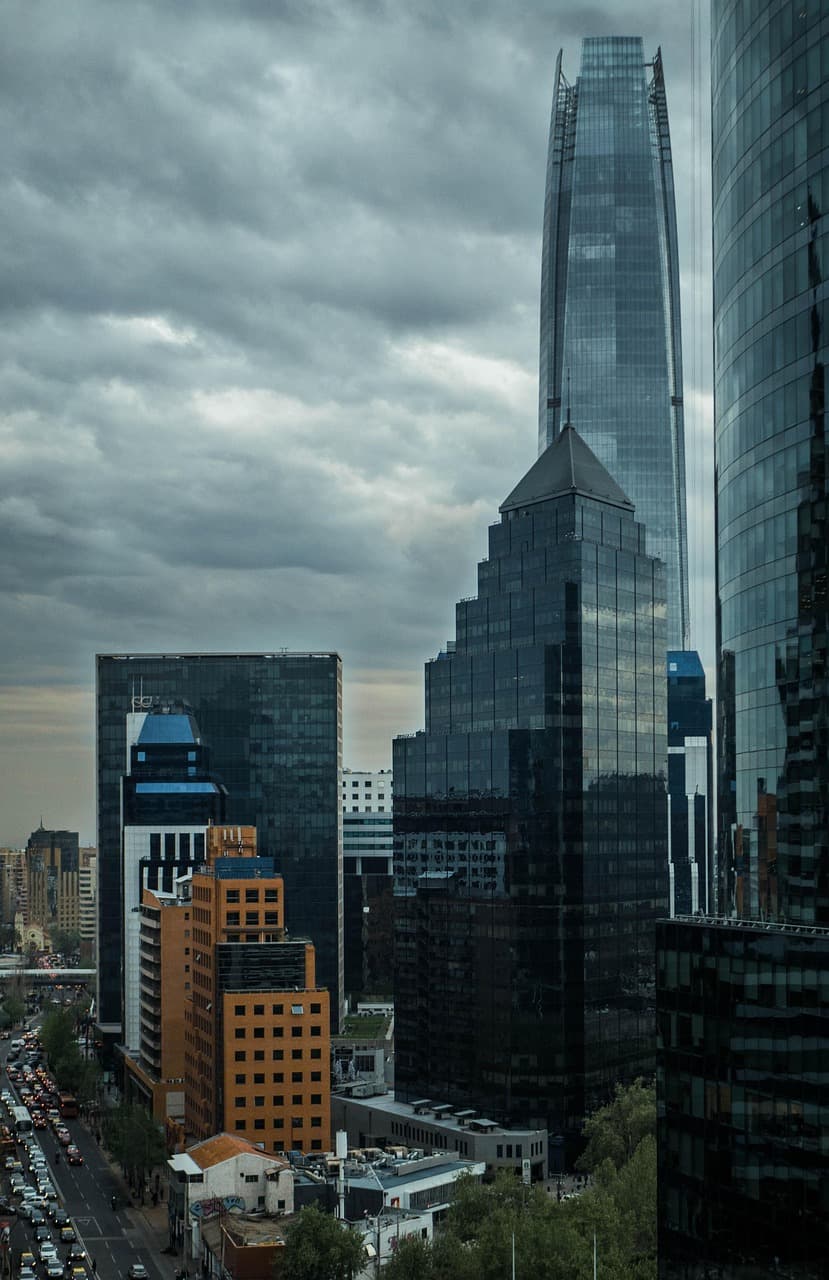
Santiago, Chile
Santiago, Chile
Chile's capital nestled between the Andes and the Pacific, Santiago blends colonial architecture, creative neighborhoods and thriving food culture. The ideal gateway to Patagonia, Valparaíso and wine country.
Santiago is Chile's capital and economic heart, cradled in an Andean valley at approximately 520 meters above sea level. Framed by the Andes cordillera to the east and the Coastal Range to the west, the city weaves together colonial architecture, bohemian neighborhoods and cuisine in full ferment. It's the natural springboard for exploring Chilean Patagonia, Central Valley vineyards or the Atacama Desert.
Essential Information at a Glance
- Access from Europe: Direct or connecting flights to Arturo Merino Benítez International Airport (SCL), roughly twenty kilometers from the center.
- City transport: Efficient metro (6 lines), Transantiago buses and taxis/rideshare cover most of the city.
- Recommended duration: 2 to 3 days for main neighborhoods; longer if combining day excursions.
- Altitude: Approximately 520 m — no altitude concerns within the city, though mountain excursions warrant caution.
- Language: Spanish; English is understood in hotels and tourist-oriented restaurants.
- Currency: Chilean peso (CLP); credit cards accepted at most retailers.
What to See
The historic center revolves around the Plaza de Armas, bordered by the metropolitan cathedral and the Palacio de la Real Audiencia. A few streets away, Barrio Lastarria and Barrio Italia cluster art galleries, independent cafés and designer boutiques. Cerro Santa Lucía, a manicured hilltop park, offers sweeping views over downtown. Further west, the Central Market houses a 19th-century iron hall and stalls overflowing with fish and seafood.
History and Context
Founded in 1541 by Pedro de Valdivia on Mapuche territory, Santiago endured earthquakes, floods and fires that shaped its urban fabric. The city modernized rapidly in the 20th century, becoming one of Latin America's most developed metropolises. The 1973 coup d'état and Pinochet era left visible traces in memory museums and political graffiti across working-class neighborhoods.
Highlights of Your Visit
Cerro San Cristóbal
This 880-meter hill dominates the city and houses a zoo, public pools and a statue of the Virgin at its peak. On clear days—especially winter after rain—the view of the snow-capped cordillera is breathtaking. Access is on foot, by funicular or cable car.
Barrio Bellavista
A lively neighborhood at the foot of Cerro San Cristóbal, Bellavista is known for its restaurants, bars and La Chascona, one of poet Pablo Neruda's residences, now a museum. Painted walls and colorful lanes make it a pleasant evening stroll destination.
National Fine Arts Museum
Housed in an early 20th-century neoclassical building, the museum showcases Chilean and Latin American art from the 17th century to today. Entry is free on Sundays.
Lastarria Quarter and Barrio Italia
Lastarria concentrates bookstores, terraces and the Museo de Artes Visuales. Barrio Italia, more residential, has transformed into a design, antiques and creative gastronomy hub—ideal for lunch off the beaten path.
Photography Tips
- Best light: Early morning on Plaza de Armas, before crowds and pollution haze.
- Andes views: Favor days following rain or winter (June-August) for clear skies from Cerro San Cristóbal or Bellavista rooftops.
- Central Market: Overhead light filters through the glass roof mid-morning—ideal for metal structures and vibrant stall colors.
- Restrictions: La Chascona forbids interior photography.
Location and Access
Santiago sits at Chile's center, roughly 90 km from the Pacific Ocean (Valparaíso/Viña del Mar) and less than two hours' drive from the first Andean ski resorts. The international airport connects to downtown via metro (Line 3, Pudahuel station) and private shuttles. The metro network covers main tourist neighborhoods: Plaza de Armas (Line 1), Baquedano (Lines 1 and 5, access to Bellavista and Lastarria), Belles Artes (Line 5).
Nearby
- Valparaíso — UNESCO World Heritage port, famous for its funiculars and colorful cerro houses, roughly 1.5 hours from Santiago.
- Viña del Mar — Beach resort neighboring Valparaíso, renowned for its gardens and casino.
- Colchagua Valley — One of Chile's most reputed wine regions, accessible as a day trip from Santiago.
- Cajón del Maipo — Andean canyon less than an hour from the capital, ideal for hiking and hot springs.
- Portillo — Iconic Andean ski resort, open during winter season (June-October).
Frequently asked questions
Spring (September-November) and autumn (March-May) offer pleasant temperatures and often-clear skies. Winter (June-August) is ideal for viewing snow-capped Andes from the city and skiing at Portillo or Valle Nevado. Summer (December-February) can be hot and polluted in town.
Two to three days suffice for historic neighborhoods, Bellavista, Lastarria and Cerro San Cristóbal. Add one or two days if you want to combine an excursion to Valparaíso or Cajón del Maipo.
Tourist neighborhoods (Lastarria, Bellavista, Providencia, Las Condes) are generally safe by day. As in any large city, caution applies at night and on crowded transport. Avoid displaying cameras and phones ostentatiously.
Santiago is the main air hub for reaching Punta Arenas or Puerto Natales, gateways to Chilean Patagonia. Domestic flights take roughly three hours. The city thus serves as the logical starting point for any Patagonia itinerary.
In the city, metro and rideshare are sufficient and downtown driving is complex. A car becomes useful for excursions to Cajón del Maipo or wine country. For Valparaíso, the bus from Alameda Terminal is a practical and economical option.
Ceviche and fresh seafood at Mercado Central, pastel de choclo (corn and meat gratin), empanadas de pino and Chilean pisco sour are classics not to miss. Barrio Italia and Lastarria concentrate more contemporary culinary offerings.
Attractions in Santiago, Chile
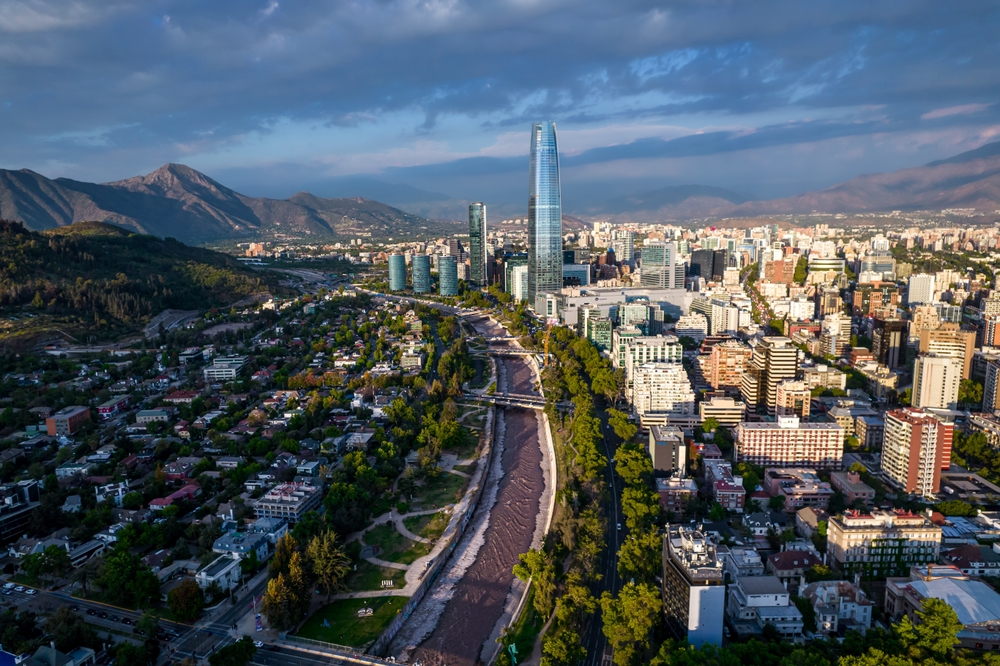
Cerro San Cristóbal
Dominant Santiago à 880 mètres, le Cerro San Cristóbal réunit panoramas sur les Andes, funiculaire historique, statue de la Vierge et vastes espaces verts au cœur de la capitale chilienne.
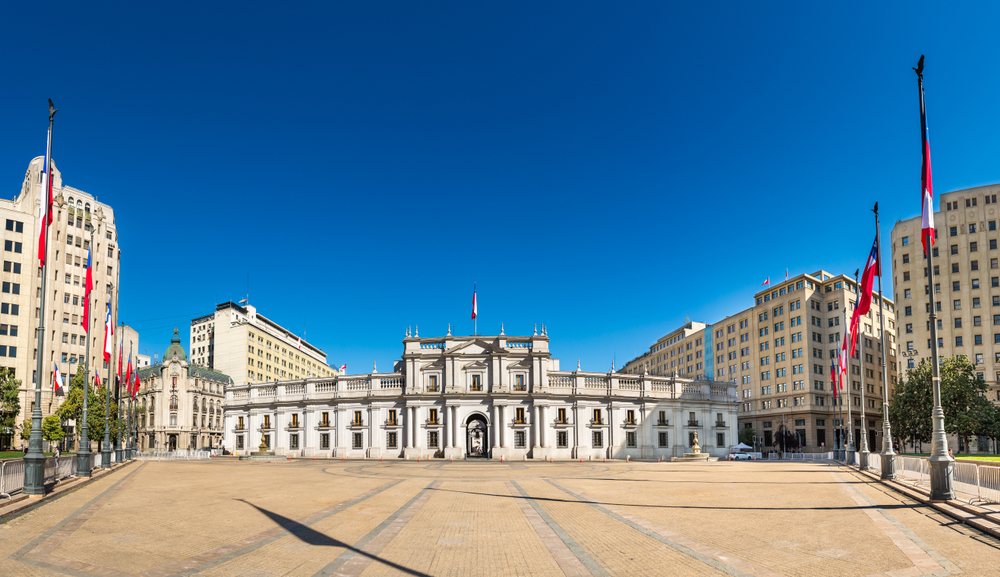
Palacio de La Moneda
Siège du président chilien et lieu de mémoire du coup d'État de 1973, le Palacio de La Moneda domine la Plaza de la Constitución au cœur de Santiago.
Want to discover this destination?
Our local advisors design your tailor-made trip.