Pumalín National Park
Pumalín National Park
404,686 hectares of temperate forests, volcanoes and fjords in Chilean Patagonia: everything you need to know about Pumalín Douglas Tompkins National Park, accessible from Chaitén.
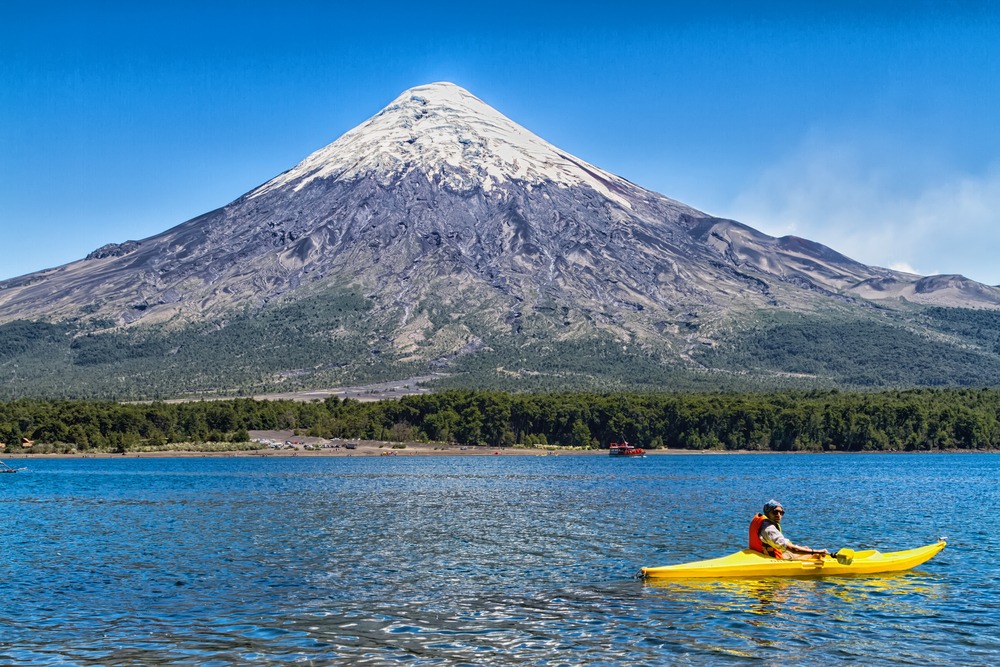
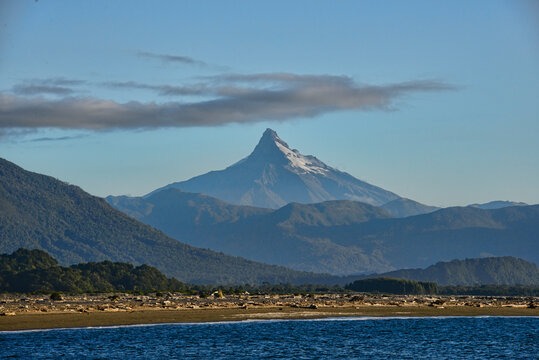
Located in the Lakes Region in southern Chile, Pumalín National Park is one of Patagonia's most impressive ecological treasures. It stretches from the snow-capped mountains of the Andes cordillera to the coast of Seno de Reloncaví. A true sanctuary of biodiversity, it is celebrated for its varied landscapes, unique wildlife and fascinating history.
History
Pumalín Park was established through a private initiative led by Douglas Tompkins, an American entrepreneur passionate about the environment and founder of The North Face brand. In the 1990s, he and his wife acquired vast semi-abandoned tracts of land in southern Chile with the goal of protecting them from destructive activities such as logging and mining. They subsequently created the Environmental Conservation Land Trust Foundation to manage and preserve these lands.
For years, this initiative sparked controversy, with some Chileans viewing with disapproval the fact that a foreigner owned such a large expanse of territory. However, the project gradually gained credibility through its conservation efforts and positive environmental impact.
Pumalín Park had been classified as a natural sanctuary on August 19, 2005 by Chilean president Ricardo Lagos at the time. It thus became Chile's largest privately-owned nature reserve open to the public. It is worth noting that the park was temporarily closed to visitors following the eruption of Chaitén volcano in 2008, before reopening in December 2010.
In 2018, it obtained national park status through the donation of nearly 293,373 hectares of land by Tompkins Conservation, bringing the park's total area to approximately 404,686 hectares. The park was subsequently renamed Pumalín Douglas Tompkins National Park, as a tribute to its founder.
Climate
Pumalín National Park features three main types of climate:
- In the north, a cool marine climate with an average annual temperature of 10.9°C.
- On the coast and in valleys (Vodudahue, Renihue, etc.), a humid Patagonian maritime climate with winters ranging from -2.9°C to -2.5°C and summers between 10°C and 17°C.
- In mountainous zones, a polar climate with minimum winter temperatures of -29°C to -10°C.
The best time to visit Pumalín National Park extends from November to March, during the austral summer. Temperatures are milder then, and trails are generally passable. However, due to the region's humid climate, it is advisable to be well-equipped to face showers, even in summer.
Exceptional Landscapes and Biodiversity
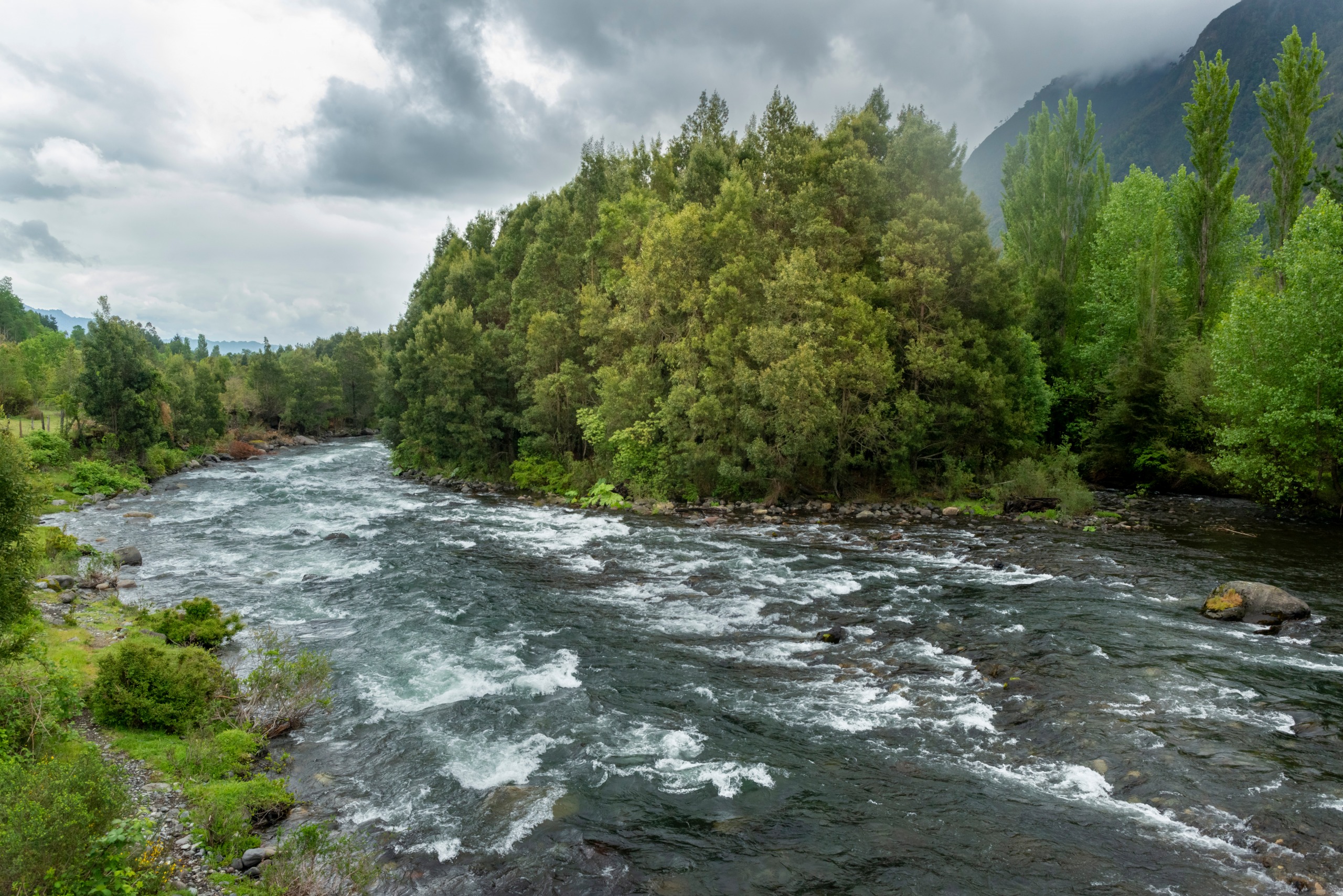
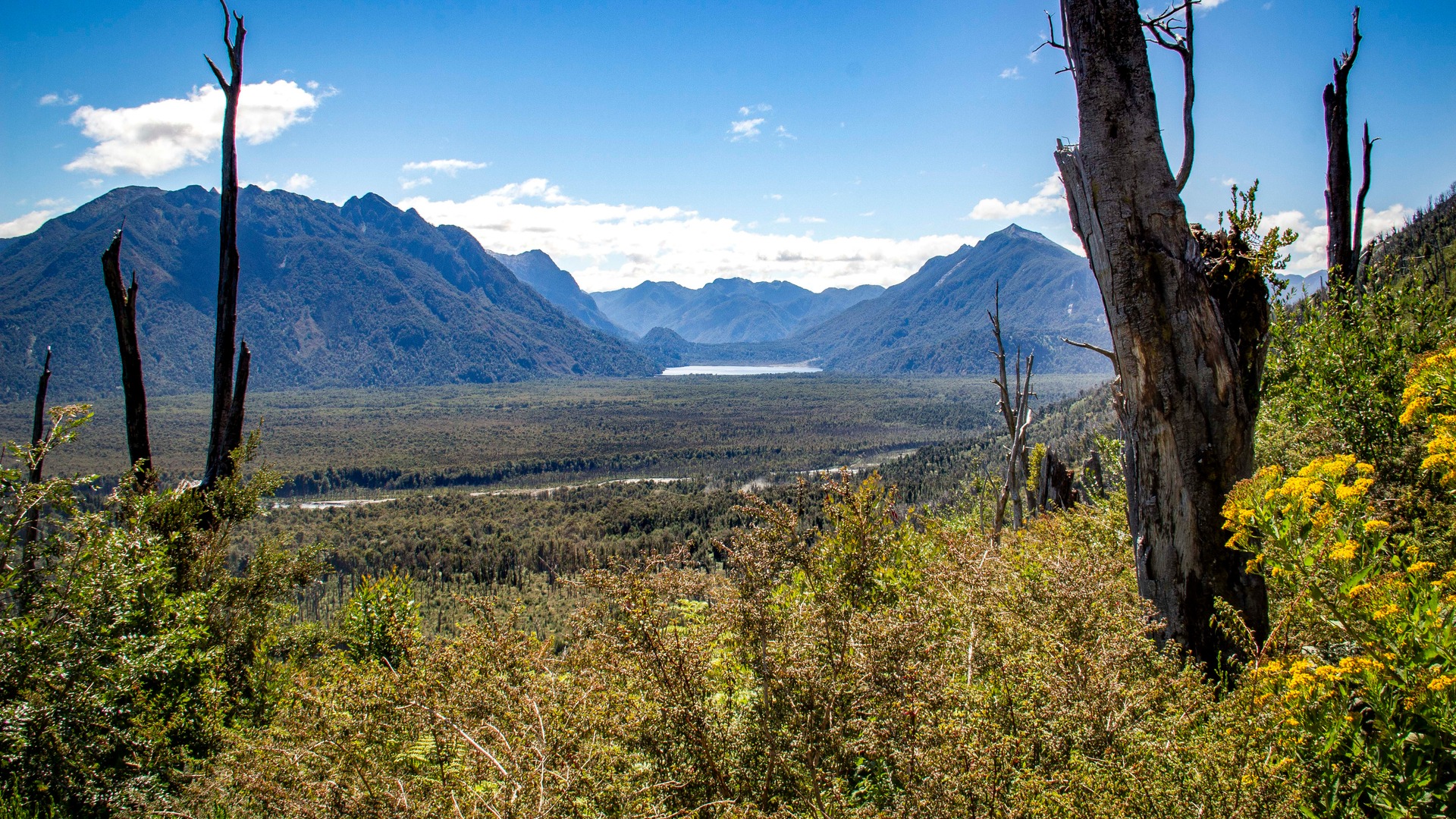
Pumalín National Park offers a diversity of spectacular landscapes, ranging from lush temperate forests to steep mountains, glacial valleys, fjords with impressive waterfalls. This diversity is due to its geographical location, which allows it to benefit from a humid oceanic climate, favorable to dense and varied vegetation.
Pumalín's Forests
The park is home to one of the last large expanses of humid temperate forests in the world. These are dominated by the alerce, a tree endemic to Chile, often compared to the sequoia for its imposing size and longevity. Some of the park's alerce trees are over 3,000 years old, making them living witnesses to the planet's history.
Unique Wildlife
The park is also a refuge for many animal species, some of which are endangered. You can observe:
- Pumas
- River otters
- Chilean foxes
- Pudú
- Ferrets
- Huemuls
- Colocolo cats
- Mountain monkeys
Bird enthusiasts will delight in discovering several unique bird species (39 species recorded) such as:
- Falcons
- Condors
- Swans
- Storks
- Herons
- Penguins
In the marine zones near the park, it is not uncommon to encounter dolphins, sea lions and, at certain times of year, whales migrating along the Chilean coast.
There are several options for reaching Pumalín National Park, depending on your starting point and travel preferences. Here are the main solutions for getting there:
By Car
For those traveling by car, the Southern Route or Carretera Austral will take you to the park's various entrances. If you depart from Puerto Montt, take Route 225 which heads south toward Chaitén, a journey of approximately 10 hours (roughly 338 km). It should be noted that the town of Chaitén is the main entry point to the park. From there, you can access various sections of the park, including Renihué camping, the El Alerce trail and other points of interest.
By Ferry
Ferries depart regularly from the port of Puerto Montt, located approximately 1 hour south of the city, for the crossing through the Chiloé archipelago to Chaitén. The ferry journey takes approximately 10 hours and offers an exceptional view of Patagonia's impressive landscapes.
By Plane
For those wanting to save time, you can take a domestic flight from Puerto Montt to Chaitén. The flight takes approximately 1 hour. Once in Chaitén, you can easily reach the park by car or using a local transport service. This town's airport is relatively small, but it is well-connected with other regions of Chile.
Pumalín National Park Today
Located in the heart of Pumalín National Park, in Renihué Fjord, Caleta Gonzalo houses the main tourist facilities, namely:
- A restaurant
- A visitor center
- Cabins.
The park's management is further strengthened by a network of uniformless forest rangers, present on the agricultural lands neighboring the natural sanctuary.
Moreover, small organic farms there develop activities such as livestock raising, cheese production, ecotourism, wool crafts and beekeeping. They also serve as posts for forest rangers and information spaces for visitors, thus combining conservation and support for the local economy.
What to Do and See?
Pumalín National Park offers numerous activities for nature and adventure enthusiasts. Here are the main experiences not to be missed:
Hiking
The park has several marked hiking trails suited to all levels. Among the most popular are:
- The Los Alerces trail (1 km): This route allows you to admire up close the imposing thousand-year-old alerce trees while discovering the richness of local flora. The path is well-marked.
- The Volcán Chaitén trail (4.5 km): For the more adventurous, this hike leads to the summit of Chaitén volcano, which erupted in 2008. From there, you will have a spectacular view of the caldera, surrounding valleys and the Pacific Ocean.
- The Cascadas Escondidas trail (4.5 km): This trail leads to a series of hidden waterfalls in the forest, perfect for complete immersion in nature.
Among other excursion trails in the surrounding area that also attract visitors are:
- The Puelo River
- The Cascadas trail
- The Tronador trail
- The Mirador trail
- The Cahuelmo-Laguna Abascal trail
- The Pueli-Ventisquero trail
Wildlife and Flora Observation
Thanks to the richness of its ecosystem, the park is an ideal place to observe wildlife and flora in their natural habitat. It is advisable to wake early to maximize your chances of seeing animals such as the mammals typical of the region and rare birds.
Camping in Nature
The park has 7 well-equipped camping areas (Cahuelmó, Vodudahue, Pillán camping, etc.), allowing visitors to spend the night in the heart of this pristine nature. Renihué camping and Cascadas Escondidas camping are particularly popular for their proximity to trails and their environmentally respectful facilities.
Other Activities
The park also offers other activities and leisure options for all tastes. Among the most popular are:
- Cruises through the fjords
- Sea kayaking or whitewater kayaking
- Rock climbing
- Fly fishing (requiring a fishing permit)
- Photography
Interested in this visit?
We can include it in your personalised itinerary.