Tierra del Fuego National Park
Tierra del Fuego National Park
Just 12 km from Ushuaia, Tierra del Fuego National Park brings together sub-Antarctic forests, peatlands, and 6 km of coastline along the Beagle Channel.
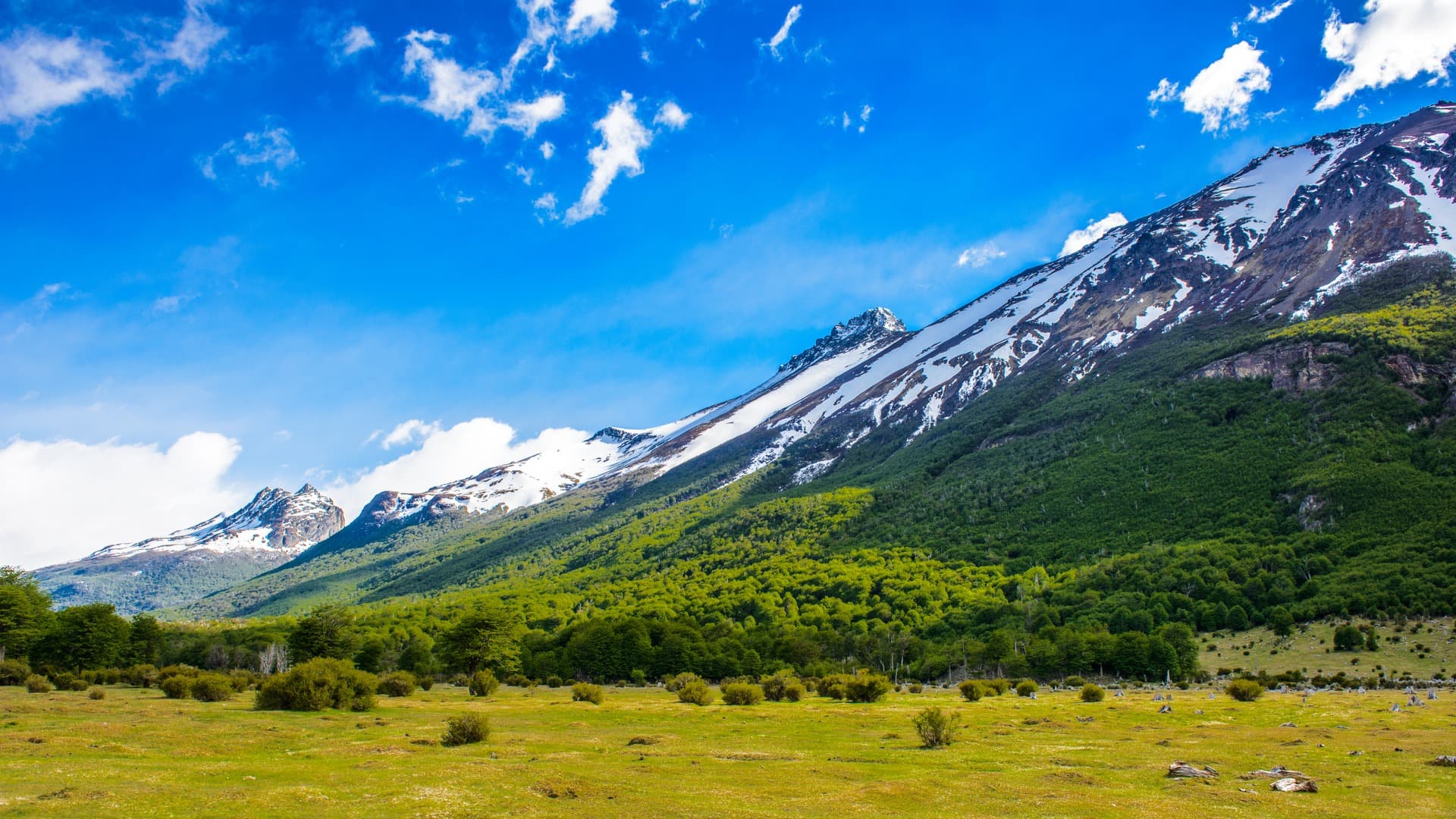
Located at the end of the world, in the southwest of Tierra del Fuego province, Tierra del Fuego National Park offers the sensation of being alone on Earth. Imposing snow-capped mountains, breathtaking panoramas, turquoise lagoons, and lush forests characterize this sublime destination in Patagonia. Set your course for this vast natural gem where otherworldly landscapes nestle along an icy ocean.
A Glimpse of History
Originally, four peoples inhabited Tierra del Fuego's territory and the Beagle Channel shores: the Selknam, Manekenk, Yaghan, and Kawésqar. Essentially fishermen, these peoples settled along the channel edges and on Tierra del Fuego's islands. Archaeological remains can still be found, testifying to the presence of these civilizations.
Ferdinand Magellan discovered Tierra del Fuego in 1520 during one of his expeditions. Europeans did not arrive in the territory until 1624. Dutch navigator Jacques l'Hermite was among the pioneers. From the 1870s onward, scientific expeditions to Tierra del Fuego became increasingly frequent.
The region gradually developed, leading to the opening of Tierra del Fuego National Park in 1960. It was created to safeguard and preserve this exceptional natural environment, which harbors rare sub-Antarctic fauna and flora.
From the 1980s onward, the park's first hiking trails were laid. A tourist train, the famous "Train at the End of the World," was inaugurated in 1994. In 2008, a visitor center, information and interpretation center focused on fauna and flora, was built, along with a bird observatory.
Tierra del Fuego National Park Today
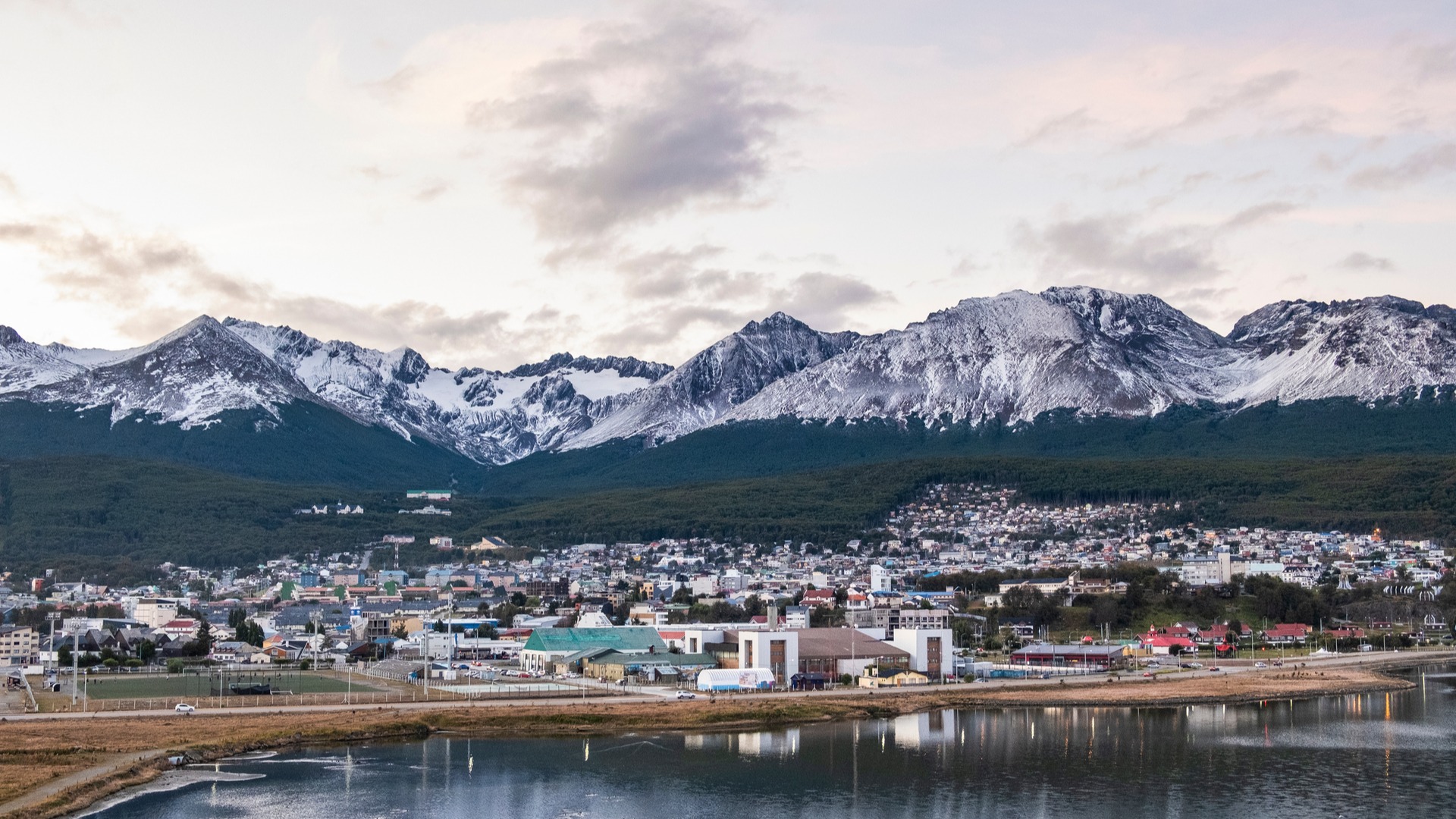
Situated 12 km west of Ushuaia, the world's southernmost city, Tierra del Fuego National Park offers extraordinary Patagonian landscapes. It is Argentina's southernmost national park, and also one of the country's most beautiful. Both vast and wild, it harbors exceptional natural treasures, including verdant forests, snow-capped mountains, large lakes, and outstanding marine wildlife.
Tierra del Fuego National Park is the only park in Argentina where you can find marine, wooded, and mountainous environments combined. Here you can admire beautiful coastlines, lagoons, peatlands, lakes, and vast forests.
The park spans a total area of 63,000 hectares, but only 2,000 are accessible to the public, as nature conservation remains the primary objective. Visitors can hike along well-maintained trails.
The 6 kilometers of coastline along the Beagle Channel offer the chance to encounter an exceptional marine ecosystem. Lapataia Bay is indeed the park's most spectacular area, thanks to its breathtaking views of the turquoise fjord and the world's southernmost forest.
An Exceptional Natural Environment
The ecosystem of Tierra del Fuego National Park is diverse and highly specific to this end-of-the-world region. To the north, Magellanic, sub-Antarctic forests cover the territory. They consist primarily of Nothofagus trees (southern beech varieties including nire, lenga, and cohihue). Beyond the forests lie mosses, dwarf lenga, and lichens.
The valleys, cold and humid, are dotted with peatlands. Here you'll also find "drosera uniflora," a carnivorous plant. The understory shelters several endemic berry-bearing shrubs, such as Darwin's barberry, calafate, and Magellanic currant.
Spring is the best time to enjoy the plant spectacle, from September to December. The entire site is blanketed in colors and flowers, including primrose, Magellanic avens, orchids, and yellow violet.
The fauna is equally impressive. More than 90 bird species have been recorded, including Chiloé wigeon, red-breasted merganser, and Imperial cormorant. Among mammals, you'll find guanacos, huillín (small otter), Canadian beaver, and Magellanic fox, all endemic species. Along the coasts, you may spot white-fronted geese, black-browed albatrosses, steamer ducks, and diving petrels.
A Premier Attraction in Argentine Patagonia
Tierra del Fuego National Park is an exceptional natural space nestled between the Beagle Channel to the south and mountains to the north. To the west, it is bordered by the Chilean frontier.
Zaratiegui Bay, Acigami Lake, and Lapataia Bay are the park's best-known highlights. Don't miss a stop at the "concheros" (shell middens), which bear witness to the region's ancestral human presence.
For a leisurely break, stop by the Visitor's Center, located near Acigami Lake. The center overlooks the Lapataia River, Salmon Island, and Cerro Cóndor. You can taste local dishes and visit cultural exhibits.
The Train at the End of the World
The Southern Fuegian Railway, or the Train at the End of the World, is a signature attraction of the park. Departing from Ushuaia, this train crosses the Pico valley, offering an original way to explore the park. The initial stop is at Cascada de la Macarena station. From there, discover the Yámana indigenous people through a historical visit. The journey continues through sub-polar forests, mountains, and lagoons, before turning around for the return trip.
What to Do in the Park?
Craving adventure? A full-day hike to Laguna Esmeralda offers splendid scenery and the chance to spot numerous beavers.
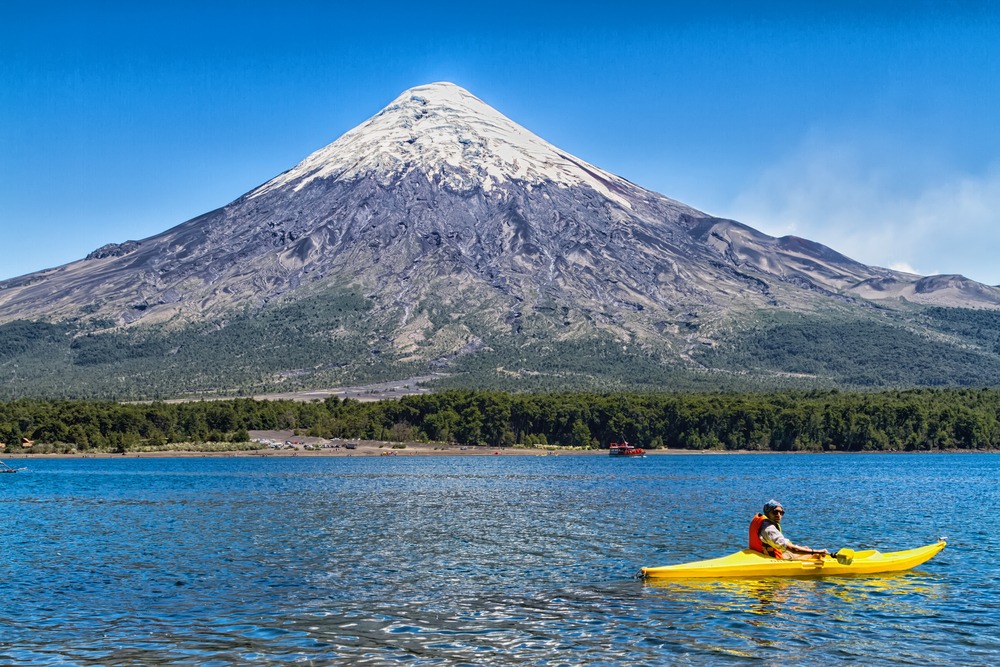
Prefer a marine excursion? Then schedule a day of kayaking or canoeing on the Beagle Channel. Throughout the journey, you'll encounter various seabird species as well as sea lions.
A boat trip on Lapataia Bay is essential during your Ushuaia visit. It marks the end of Route 3, Argentina's southernmost highway, and is the starting point for the reserve's celebrated hiking trails.
Standout Hikes in Tierra del Fuego Park
There are around a dozen hiking trails in this end-of-the-world national park. They feature stairs, boardwalks, metal grating, observation points, and excellent signage. Accessible to all, they invite you to encounter this astonishing nature.
Pampa Alta
At 4.9 km (one-way), this trail takes about two and a half hours. Pampa Alta merits a visit for its stunning panorama of the Beagle Channel, Navarino and Hoste islands, and the Río Pipo valley.
Costera
The Costera hike stretches 8 km (one-way) and takes 4 hours. The path leads to Lake Roca. Along the route you'll discover Lapataia Bay, the Beagle Channel, the mountains of Hoste Island (Chile), and guindo and canelo forests.
Hito XXIV
This 3.5 km (one-way) hike requires about an hour and a half of effort. The trail begins at Lake Roca and ends at the Chilean frontier. It follows Lake Roca's shore to a small obelisk, "Milestone 24," which marks the Chile-Argentina border.
Paseo de la Isla
This easy 600 m (one-way) stroll ranks among the park's most beautiful trails. Curiosities dotting the route include lagoons, rivers, and wild birds. Expect to encounter steamer ducks, diving petrels, geese, and black-browed albatrosses. You'll find yourself on the shores of Lapataia Bay, a sublime little fjord.
Practical Information
The Climate
The region's climate is sub-polar oceanic, meaning cold and humid. The climate is relatively uniform, with temperatures neither extremely high nor extremely low. In winter, temperatures range between −2°C and 4°C. In summer, the climate is milder, with temperatures between 6°C and 14°C.
The park is subject to violent and unpredictable winds called williwaws, especially in summer. Rain and snowfall are frequent throughout the year.
By Air
Numerous flights serve the park, particularly from Buenos Aires to Ushuaia. From there, the journey to the park is by bus.
By Bus
Several companies operate daily service between Ushuaia and Tierra del Fuego National Park.
By Train
The most picturesque way to reach Tierra del Fuego National Park is aboard the Train at the End of the World. It connects Ushuaia to the park. The first station (End of the World Station) is located 8 km west of Ushuaia, on Route 3.
By Car
Route 3 is the only road leading to the park. From Ushuaia, the journey is 12 km.
Interested in this visit?
We can include it in your personalised itinerary.