Corcovado Gulf
Corcovado Gulf
Between the island of Chiloé and the Chilean continent, Corcovado Gulf is home to blue whales, snow-capped volcanoes and one of Patagonia's wildest national parks.
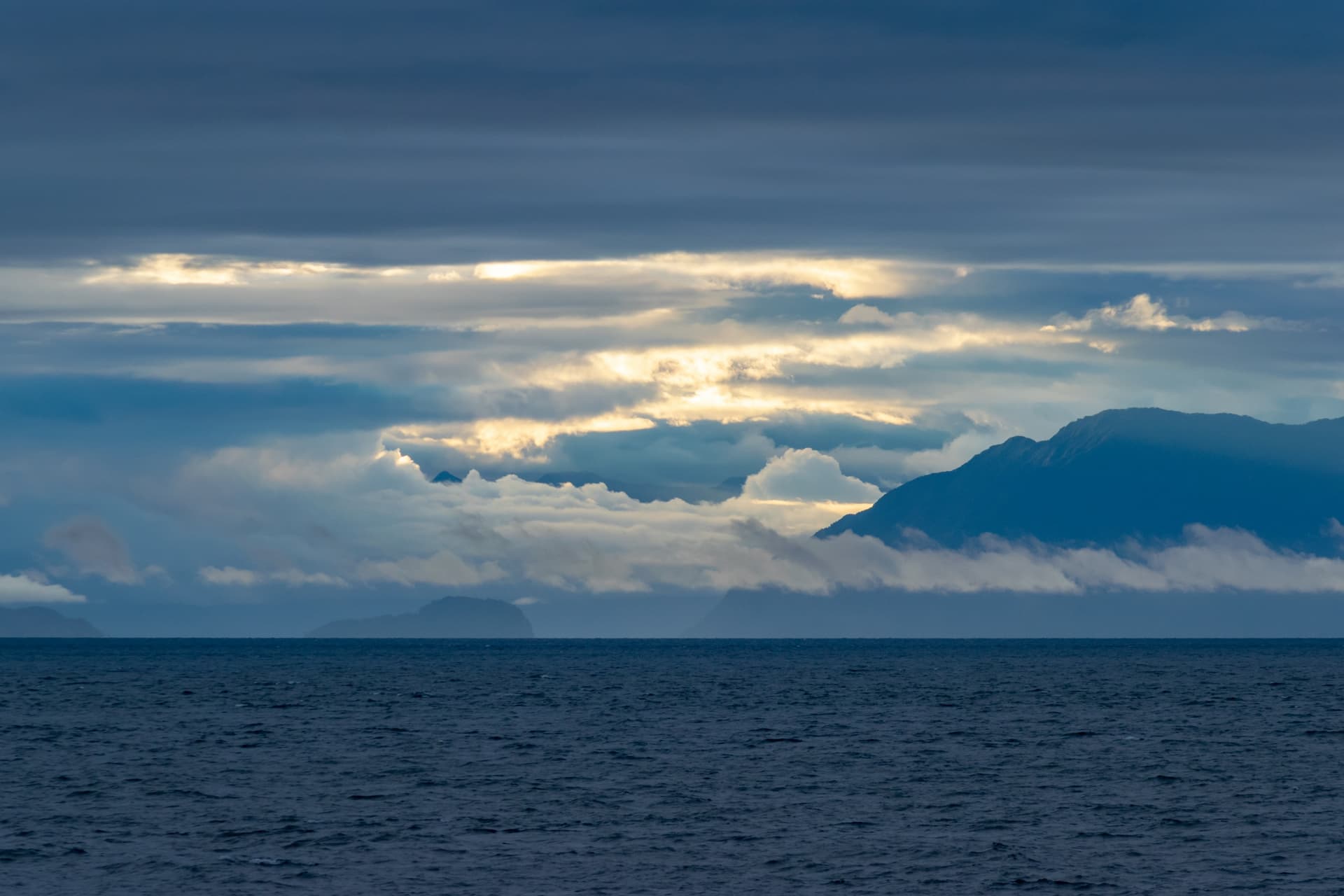
The Corcovado Gulf is a vast expanse of water separating the island of Chiloé from mainland Chile. Bordered to the east by the Corcovado National Park and to the west by the Valdivian temperate rainforest of Chiloé island, the gulf abounds with spectacular landscapes. Set sail for this natural treasure of Chilean Patagonie, where indigenous flora and fauna flourish in abundance.
A Brief History of Corcovado Gulf
Previously, Corcovado was merely a basin. It became a gulf following the dramatic erosion caused by a massive glacier. During the colonial era, it separated Spanish settlers, who lived on the Chiloé archipelago, from the Chonos people, who inhabited the Guaitecas and Chonos archipelagos.
Corcovado Gulf Today
Corcovado Gulf is located at the border between the Los Lagos and Aysén regions, off the southern coast of Chile. Navigation through this gulf, which opens onto the Pacific Ocean, is quite challenging due to winds and currents.
Today, Corcovado Gulf is recognized by the international scientific community as one of the privileged migration zones for blue whales. For the best chances of observing these ocean giants, the ideal time to cross the gulf is between December and April.
Since the 1980s, Corcovado Gulf has served as a salmon and mussel farm for Chile. Nowadays, approximately 90% of Chilean salmon and mussels come from this gulf.
Characteristics of Corcovado Gulf
Corcovado Gulf is a vast body of water located in the Pacific Ocean. It extends from the southeastern coast of Chiloé island to the continental coast of Chile, between Vilcún point and Refugio island. It measures an average of 50 km long and 25 km wide.
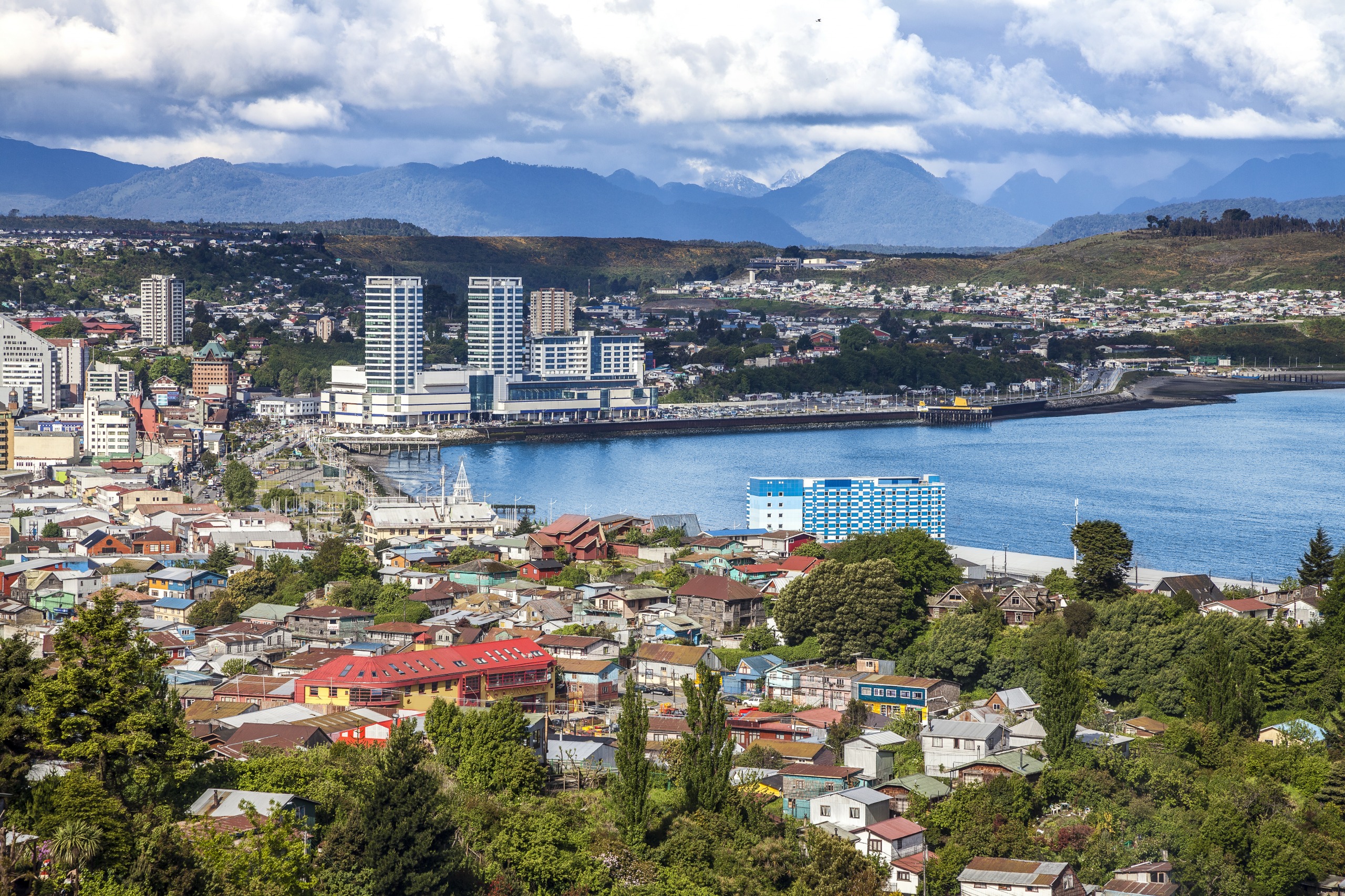
To the east of the channel lies the Chilean region of Los Lagos and Corcovado volcano, which gave the gulf its name. To the west of the gulf lies Isla Grande de Chiloé, a renowned tourist attraction. The main city on this island, Castro, is located on the shores of the gulf. Ancud borders Corcovado Gulf to the north. To the south stretches Moraleda channel, which separates the Chonos archipelago from mainland Chile.
Numerous landmarks are found within the gulf: San Pedro island, the Yanteles, Melimoyu, Vilcún, Corcovado and Michinmahuida mountains. They help navigators find their bearings, especially in foggy conditions.
In the continental zone stands the impressive silhouette of the Andes mountain range. The peaks of Michinmahuida (Chayapirén), rising to 2,440 meters, Corcovado, rising to 2,990 m, and Yanteles, rising to 2,050 meters, are particularly sublime.
Discovering Corcovado Gulf
To the east of Corcovado Gulf stand in full beauty the snow-capped volcanic cones of Corcovado and Yanteles. The coastline is largely covered by southern beech forests and alerce trees (species similar to North American sequoias).
The gulf is home to certain endangered marine species. Thus, you can still find blue whales, minke whales, humpback whales and fin whales. Salmon farms have been established on the shores.
A Haven for Marine Mammals
In Corcovado Gulf, you can encounter fin whales, humpback whales, sea lions, sperm whales, seals and dolphins. But above all, it is the ideal place to observe the blue whale.
Corcovado Gulf features a unique ecosystem. Thus, approximately 50% of its flora is endemic to the region. The fauna is no less unique and exceptional, and includes, among others, the world's smallest cervid species, called the pudú.
Corcovado National Park
A large portion of the Corcovado National Park zone is located in Chaitén, near the Palena river. Founded in 2005, it covers an area of 293,986 hectares. This is where the Chonos people once lived.
According to scientists, this is one of the last pristine places on the planet, with vast areas still intact and unexplored. Large colonies of seabirds, seals, blue whales and humpback whales have found refuge here. It is easily accessible by sea from Chaitén or from Raúl Marín Balmaceda port.
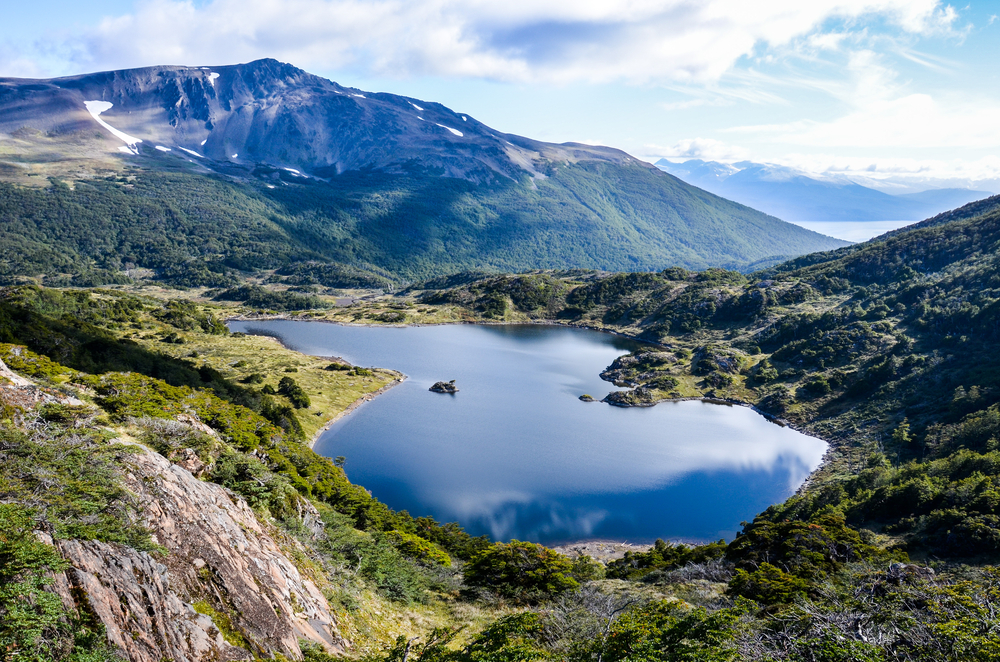
An impenetrable and lush forest covers most of the park's surface. It is dotted with a large variety of trees such as canelos, lengas, alerces and coigües. This park is the natural habitat of many endangered animal species: the Monito del Monte opossum, the pudú (a Chilean deer), the Güiña (the world's smallest feline), the Chiloé fox, the southern otter and the puma.
In the background, Corcovado volcano, rising to 2,300 meters altitude, dominates the entire length of Corcovado Gulf. In the surrounding areas of the channel you discover incredible landscapes, ranging from fjords to rivers, passing through valleys and turquoise lakes.
By Boat
Boat is the only means of transport allowing access to Corcovado Gulf, departing from Puerto Montt.
Want to discover this destination?
Our local advisors design your tailor-made trip.