Wellington Island
Wellington Island
A wild Patagonian island in southern Chile, Wellington is home to Puerto Edén, the Kawésqar people, and 5,556 km² of untouched fjords accessible only by sea.
Wellington Island, situated in the Patagonian archipelago, is one of the largest islands in southern Chile and a rarely explored natural treasure. With its dense forests, fjords, and wild landscapes, it embodies the raw beauty of Patagonia. Wellington Island is the perfect destination for those seeking to venture off the beaten path and discover pristine nature.
Location and Geographic Characteristics
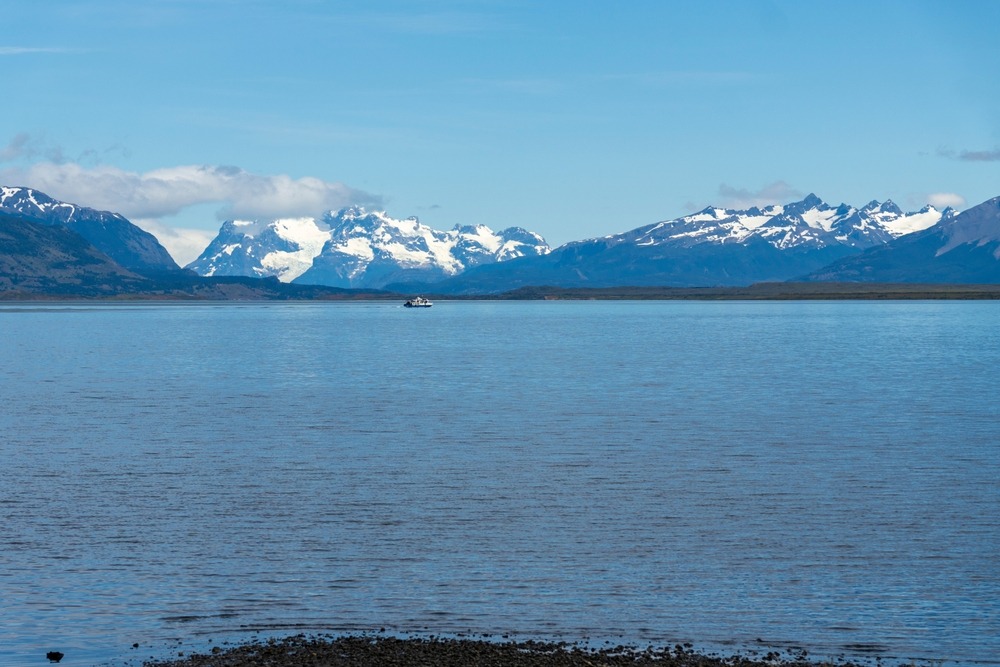
Wellington Island lies west of Bernardo O'Higgins National Park, Chile's largest nature reserve, and near the southern Patagonian ice field. It is part of the Magallanes and Chilean Antarctic region. Spanning an area of 5,556 km², it constitutes the main island of the Wellington archipelago. Bordered by spectacular fjords, narrow channels, and the cold waters of the Pacific Ocean, it is characterized by rugged terrain dominated by mountains, glacial valleys, and temperate forests. It is isolated from the mainland by the Messier Channel, named in honor of French astronomer Charles Messier (1730-1817).
A History Marked by Isolation
The human history of Wellington Island is closely tied to the peoples who inhabited this remote region. The Kawésqar (or Alacufes), a nomadic community of hunter-gatherers, traversed these lands and waters for more than 6,000 years. They used canoes to navigate the coasts and between islands. They lived from fishing, gathering, and also consumed the meat of whales and seals that washed ashore. These communities functioned without formal political structures. They were organized around family groups, where elders, respected for their experience and wisdom, advised the young and settled disputes.
With the arrival of European settlers in the 19th century, the Kawésqar way of life was profoundly disrupted. External pressures, imported diseases, and resource exploitation significantly reduced their population. Indeed, by the 1990s, the local population had fallen to around sixty individuals, compared to over 1,000 in the 1900 census.
It should also be noted that the Chilean Navy established a military base on the island in 1937. This attracted the first fishermen and sea otter hunters, who settled there with their families. In the 1960s, an influx of fishermen from Chiloé reinforced the community, driven by the pursuit of better economic opportunities. Today, the island is home to approximately 250 to 300 residents.
Moreover, due to its isolation, Wellington Island was never densely populated. The few human settlements are generally related to fishing and scientific activities. Some parts of the island remain completely unexplored, which contributes to its aura of mystery.
Climate
Wellington Island's climate is typically cold and humid, marked by abundant precipitation throughout the year. Temperatures vary little, with cool summers and relatively mild winters, despite violent and unpredictable winds adding to the sense of chill.
A Unique Ecosystem
Wellington Island is home to exceptional biodiversity, typical of Magellanic forests. These are dominated by trees such as cypress, canelo, coigue, nirre, and lenga. There are also numerous species of mosses, lichens, and ferns that thrive in this humid climate.
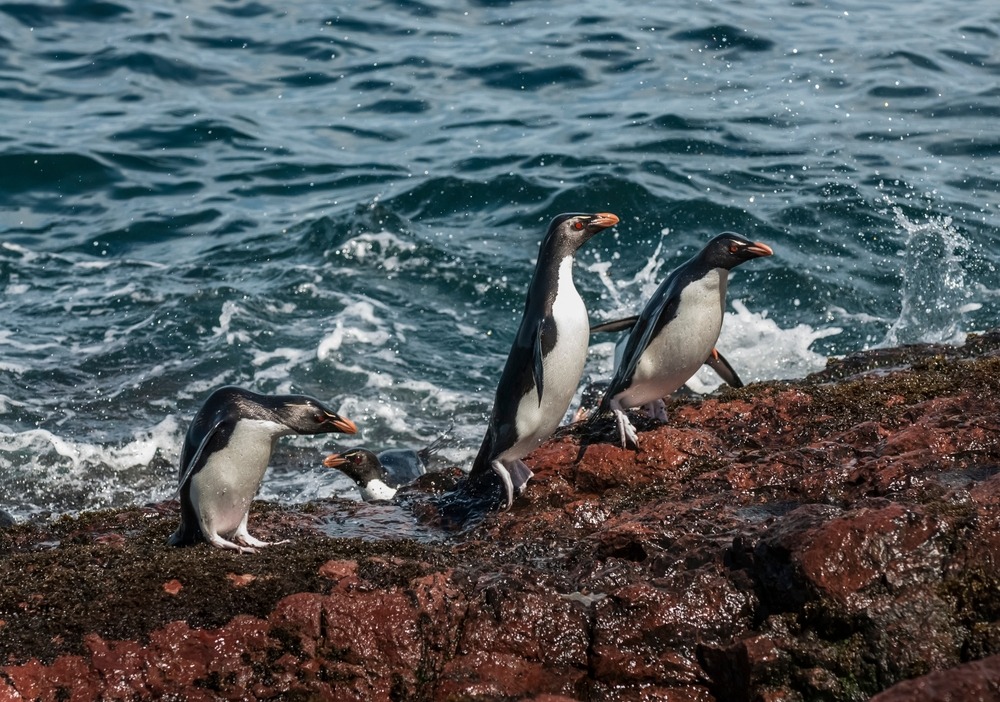
The island's fauna is equally fascinating. The surrounding waters are home to colonies of dolphins, sea lions, whales, and sometimes even otters. Birds such as cormorants, gulls, petrels, and albatrosses are frequent along the coasts. On land, you may spot rare mammal species such as the huemul, an endangered species.
Puerto Edén
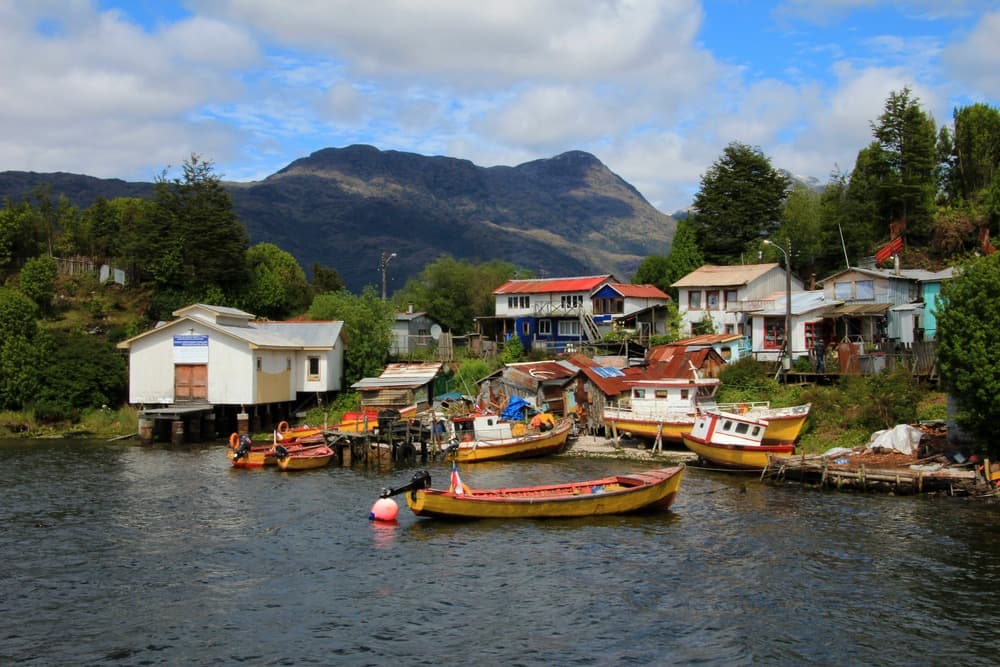
The only village on Wellington Island, Puerto Edén is a locality where life unfolds to the rhythm of silence and the sea, without cars or roads. Residents move about on foot, using wooden walkways that wind along the waterfront, serving as streets for the Edenians. Its small port, a stop on a cargo cruise along the coast, is regularly resupplied with goods. The local economy relies essentially on fishing, particularly for fish, king crabs, and smoked mussels, a delicacy for residents.
Puerto Edén has a one-room school welcoming children up to age 12 only. You can also see a medical center with a nurse on permanent duty. Monthly medical rounds are sent from Chile, during which doctors and specialists come to lend support. In case of emergency, the only solution is an army speedboat to reach Puerto Natales.
In the year 2000, the village benefited from certain comforts: drinking water, electricity, and telephone. New public services were also installed, including:
- A library
- A civil registry
- A police station
- A television and radio relay station.
However, despite these improvements, Puerto Edén remains a place where simplicity and self-sufficiency are at the heart of daily life.
Access to Wellington Island is limited due to its geographic isolation. It is only accessible by sea. Indeed, most visitors arrive by boat from Puerto Natales, a crossing that takes 27 hours, or from Caleta Tortel, a journey of 14 hours. It is also possible to arrange private expeditions to explore the most remote areas of the island.
Activities
Although Wellington Island is not a major tourist destination, it offers exceptional opportunities for nature and adventure enthusiasts.
Hiking and Exploration
Wellington Island is ideal for wilderness hiking, although marked trails are rare. Experienced adventurers can explore virgin forests and mountains to discover spectacular landscapes, such as hidden waterfalls and breathtaking views of the fjords.
Wildlife Observation
Bird and marine mammal watching is an essential activity. Photography enthusiasts and naturalists will find a paradise here for capturing images of dolphins, sea lions, and rare seabirds.
Fishing and Navigation
The waters surrounding the island are rich in fish and crustaceans, making it a popular fishing destination, though permits are required. Navigation through the fjords and channels offers a unique perspective on the island and allows you to explore areas inaccessible by land.
Cultural Immersion
Meeting members of the Kawésqar community, when possible, is an enriching experience to better understand their history, culture, and relationship with nature.
Want to discover this destination?
Our local advisors design your tailor-made trip.