Everything You Need to Know About Patagonia
The Climate
The Climate
Patagonia is characterized by a temperate, rainy climate. However, the months of November to February are the warmest, with temperatures reaching around 15°C. Generally speaking, summer is an exceptionally windy season, whereas winter is considerably more stable, and weather changes rapidly. It's often said that you can experience all four seasons in a single day. Rain showers are typically brief (except in autumn around March/April), and they quickly give way to sunny skies. For hiking, come prepared with complete weather gear.
Water
Drinking tap water is generally safe, whether in towns or mountain refuges—there's no need to bring water purification tablets.
In the parks, you can refill your water bottle from small streams flowing down the slopes. There is no contamination risk because livestock herding is not practiced within the massifs. However, avoid larger rivers, which are cold and laden with glacial sediment; drinking glacial meltwater can cause intestinal distress.
Health and Vaccinations
No specific vaccinations are required for visiting Chile. Simply ensure you are up to date with routine immunizations: DT Polio and hepatitis A and B. A dental checkup before departure is always recommended. Please inform us of any allergies or medications you are taking. For your trip, pack a personal medical kit with your regular medications (pain reliever, anti-inflammatory, antibiotic, laxative, and bandages). For hiking days, bring blister treatment and high-SPF sunscreen.
Currency and Exchange
- In Chile, 1€ = 795 pesos (August 2019)
- In Argentina, 1€ = 64 pesos (August 2019)
You can exchange euros and dollars on-site, though they must be in perfect condition or they cannot be exchanged.
Exchange is available at "casas de cambio," not at banks.
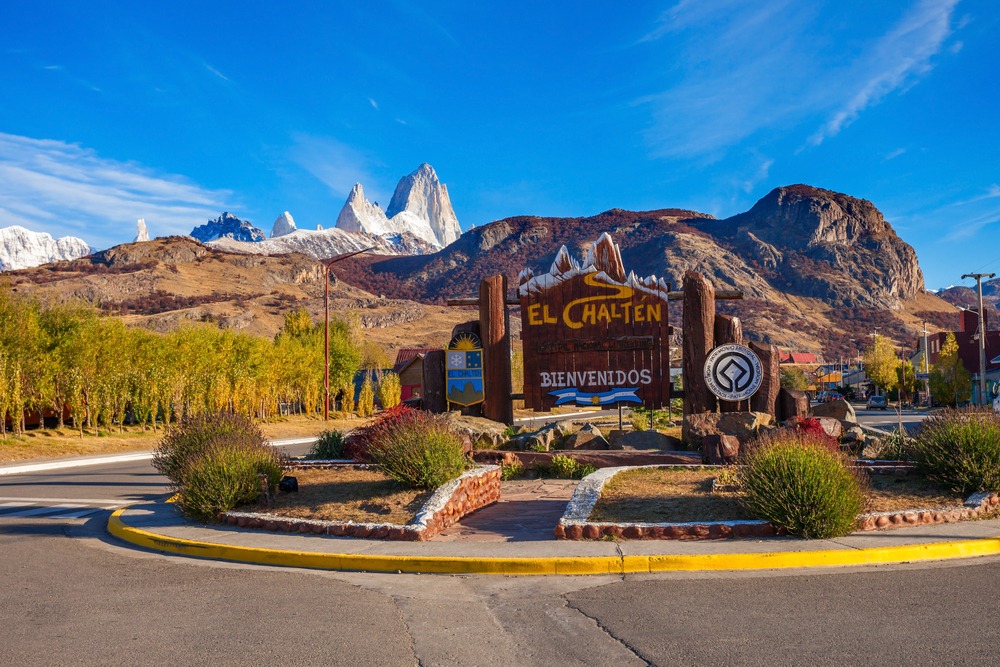
Numerous ATMs are available throughout the region, and credit cards are widely accepted. One exception is El Chaltén, which currently has neither exchange houses nor ATMs—plan accordingly. In the parks and outside of towns generally, it's better to carry local currency, as exchange rates don't reflect real market rates.