Complete Guide to Patagonia
Patagonia covers nearly one million square kilometers spread between Argentina and Chile, from the Río Colorado to Cape Horn. From our agency, we design itineraries that traverse four distinct worlds: the windswept steppe of Santa Cruz province, the Andean forests of the lake region around Bariloche and Puerto Varas, the continental ice fields of Los Glaciares National Park and Torres del Paine, and the jagged fjords of Tierra del Fuego down to Ushuaia.
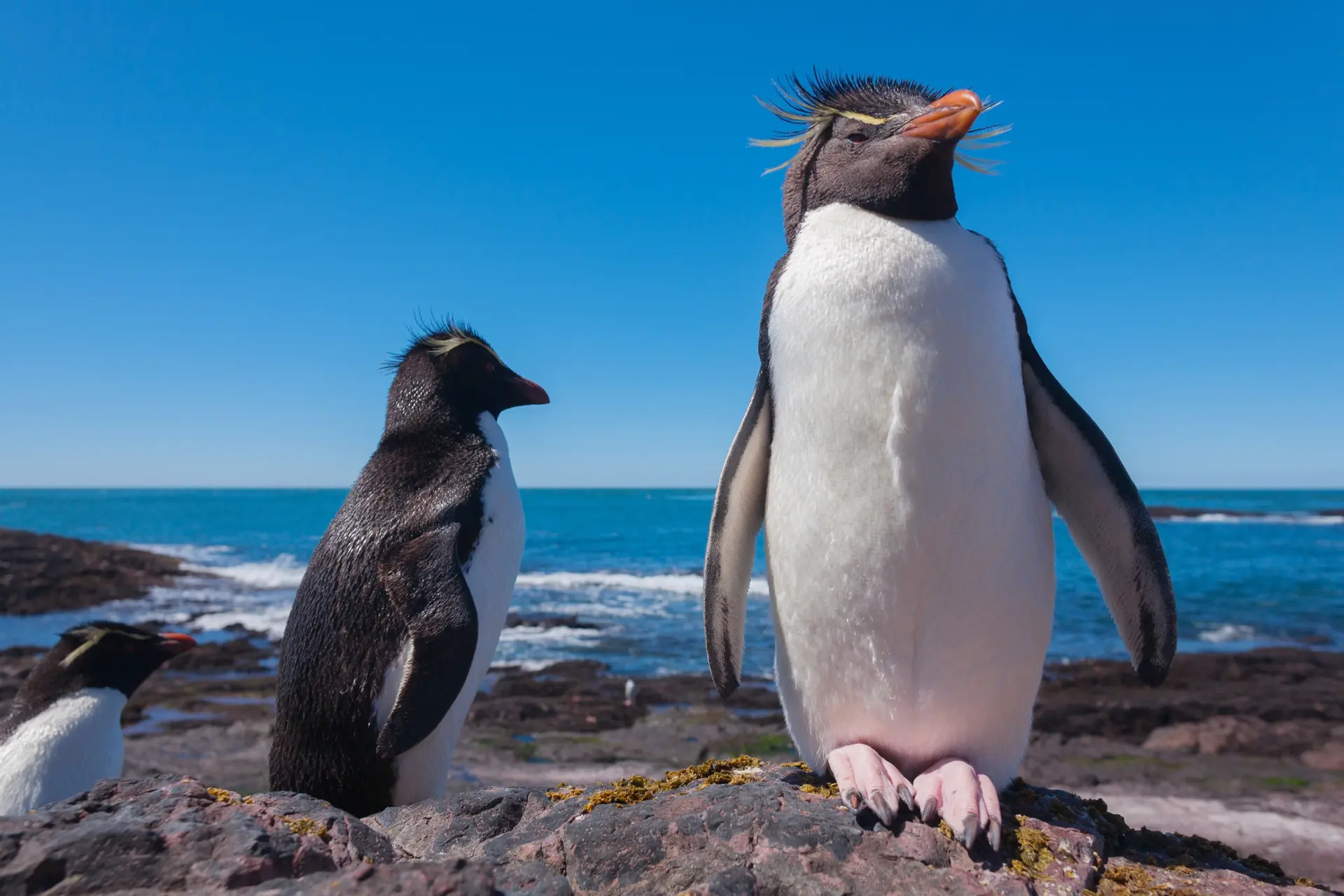
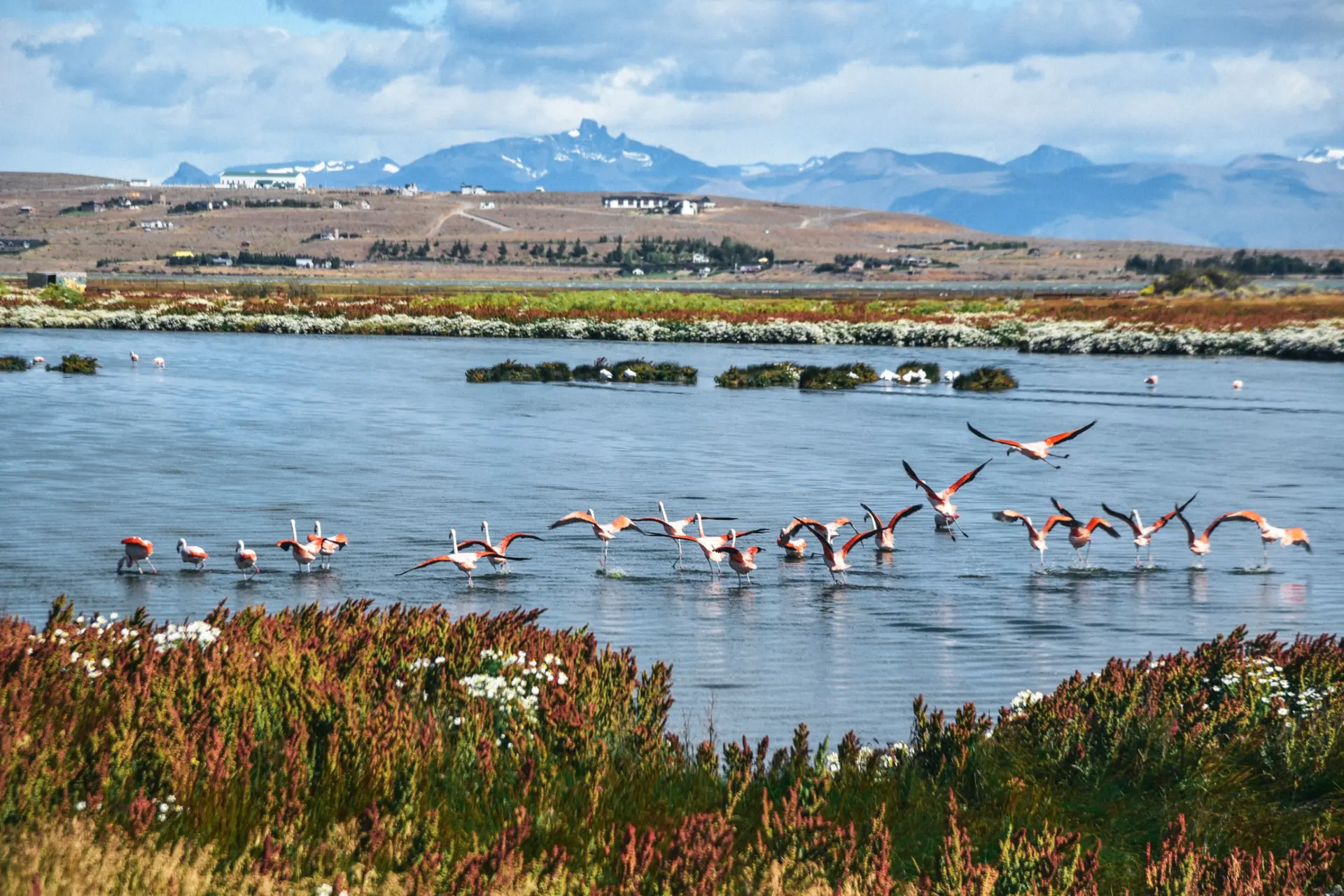
Two distinctive features structure a trip here. First, geography: 1,500 kilometers separate El Calafate from Punta Arenas, and distances require domestic flights or long stretches on the mythical Ruta 40 and Carretera Austral. Second, wildlife: Magellanic penguins at Punta Tombo, southern right whales off the Valdés Peninsula from June to December, Andean condors soaring above Fitz Roy, guanacos in herds across the pampas.
To plan your journey, allow a minimum of 12 days to combine two regions (for example El Chaltén, El Calafate, and Torres del Paine), or three weeks to travel from Bariloche to Ushuaia with proper breathing room. The practical window runs from November to March, with peak season between December and February.
The regions of Patagonia
Each region has its own personality: climate, landscapes, pace of life and ways of traveling. Our local team helps you choose the combination that suits you.
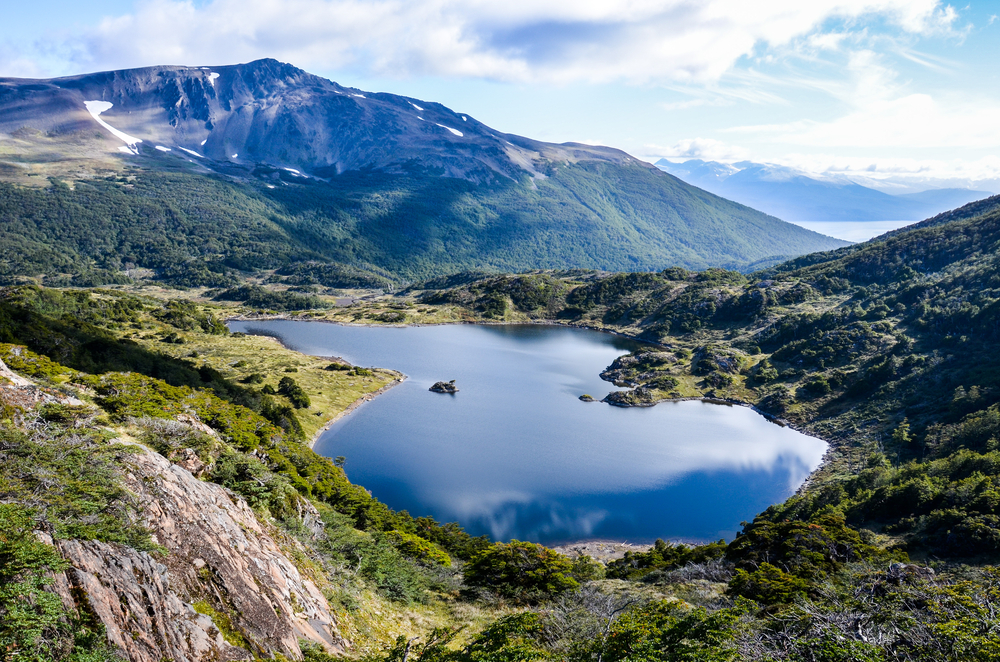
Lakes Region
At the foot of the northern Patagonian Andes, the Lake Region stretches from San Carlos de Bariloche on the Argentine side to Puerto Varas and Pucón on the Chilean side. Araucaria forests, active volcanoes like Osorno and Villarrica, slate-colored alpine lakes: the landscape stands in stark contrast to the southern steppe. Temperatures remain mild, between 15 and 22°C in summer, ideal for day hikes around Cerro Catedral or Nahuel Huapi National Park. It's also the gateway to the Seven Lakes circuit as far as San Martín de los Andes, and a natural pivot point for those who want to combine Chile and Argentina without flying.
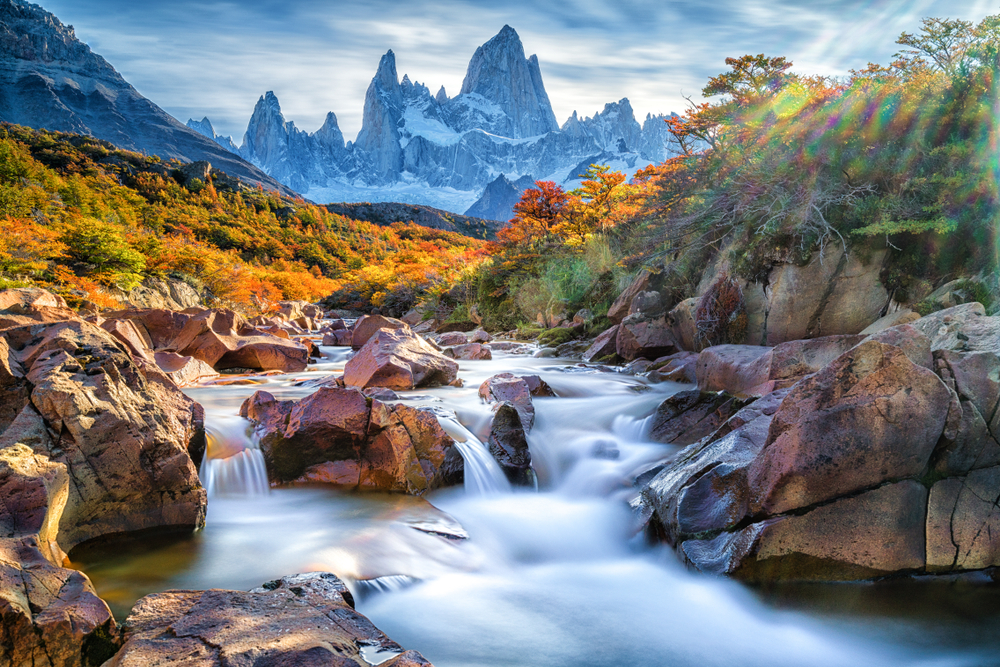
El Chaltén Fitz Roy
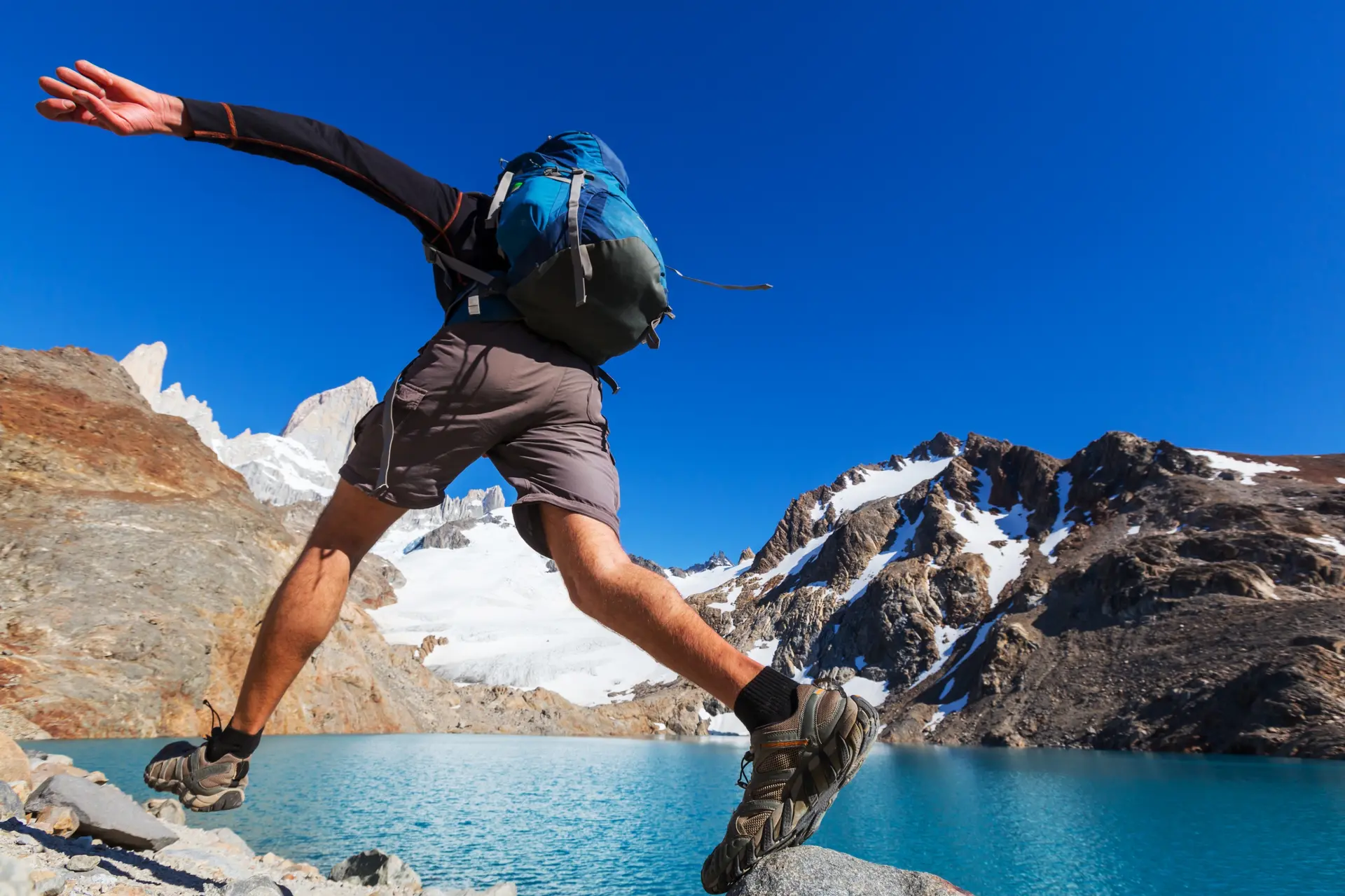
Argentina's trekking capital, El Chaltén is a village of 3,000 inhabitants nestled at the foot of Fitz Roy and Cerro Torre, in the northern Los Glaciares park. All trails depart on foot from the center, with no 4x4s or shuttles: Laguna de los Tres takes 8 hours round trip with 800 meters of elevation gain, Laguna Torre requires a more leisurely 6 hours. Wind can gust up to 80 km/h on the ridges, even in January. We recommend 3 to 4 nights on site to absorb a day of bad weather and keep a clear window on the summits, often hidden in the clouds.
El Calafate and glaciers
220 kilometers south of El Chaltén, El Calafate revolves around Perito Moreno, a 30-kilometer-long and 60-meter-high glacier that continues to advance today. The wooden walkways offer several hours of hiking facing the glacier's front, with blocks of ice calving into the Témpanos canal. To venture further, mini-trekking allows you to walk on the ice equipped with crampons, and sailing on Lake Argentino extends to the Upsala and Spegazzini glaciers. Plan for 2 to 3 nights; the well-connected airport often makes it a hub between Buenos Aires and Ushuaia.
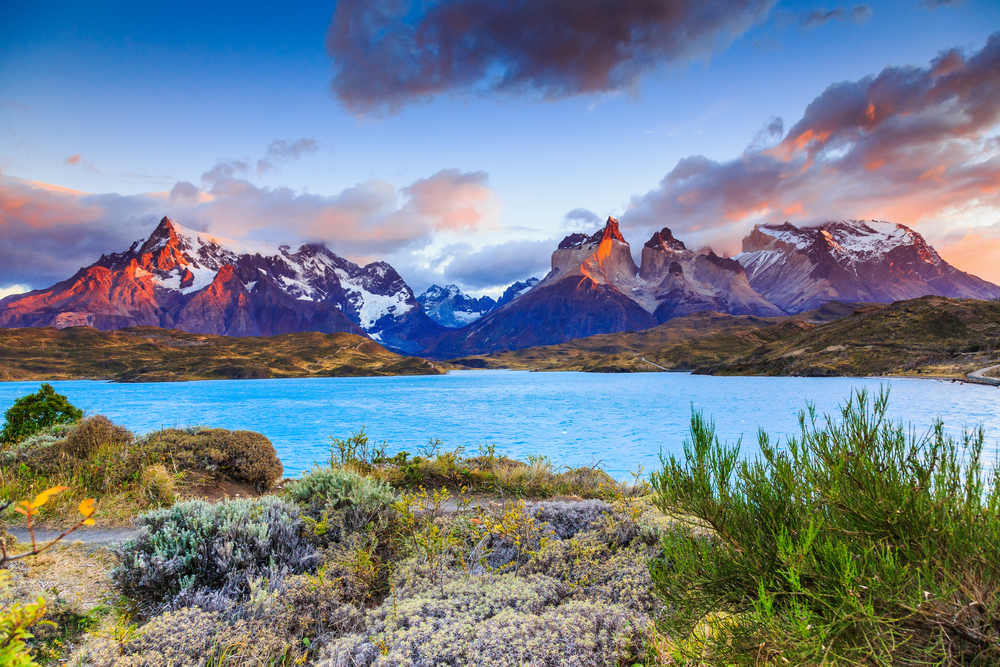
Torres del Paine
On the Chilean side, Torres del Paine National Park concentrates granite massifs, glacial lakes and herds of guanacos across 1,800 km². The W circuit can be completed in 4 to 5 days in refuges or campsites, while the grand O circuit takes 8 to 10 days. For those who prefer not to carry a backpack, lodges such as Explora or Awasi offer day excursions to the Cuernos, Britanico viewpoint or the base of the Torres at sunrise. Wind and rain often fall within the same hour: we recommend technical layers and a reinforced windbreaker, even at the height of the austral summer.
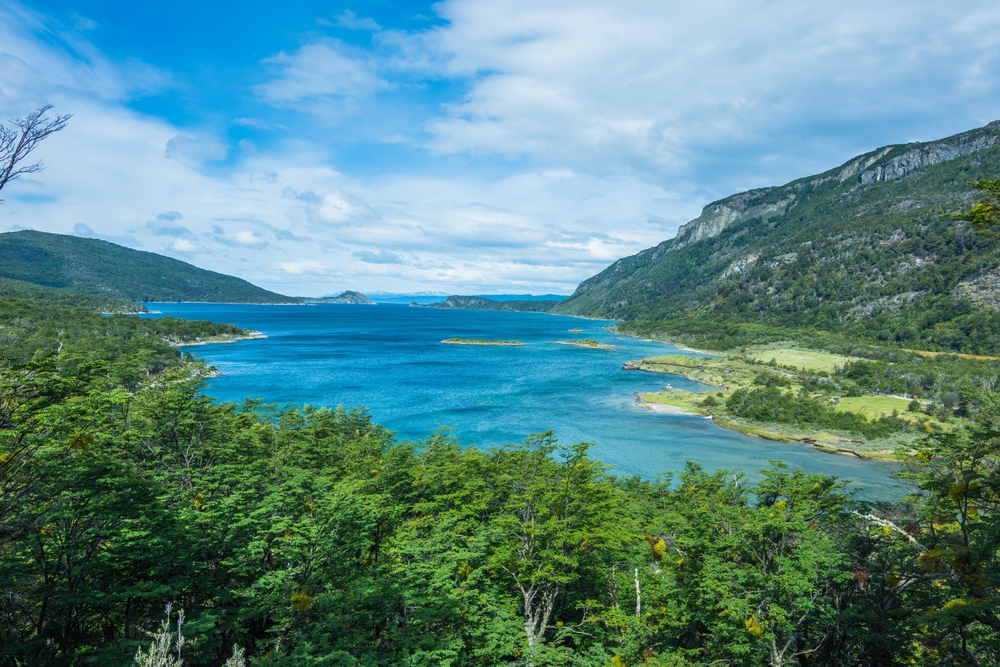
Tierra del Fuego Ushuaia
Ushuaia, a town of 80,000 nestled between the Beagle Channel and the Martial mountain range, serves as the end of the inhabited world and a departure point for Antarctica between November and March. Tierra del Fuego National Park offers short walks along Lapataia Bay, and navigation on the Beagle Channel leads to penguin colonies and the Les Éclaireurs lighthouse. Temperatures rarely exceed 15°C in summer, and daylight stretches until 10 p.m. in December. It's also the ideal base to explore Harberton estancia or venture toward the Mitre Peninsula, which remains very rarely visited.
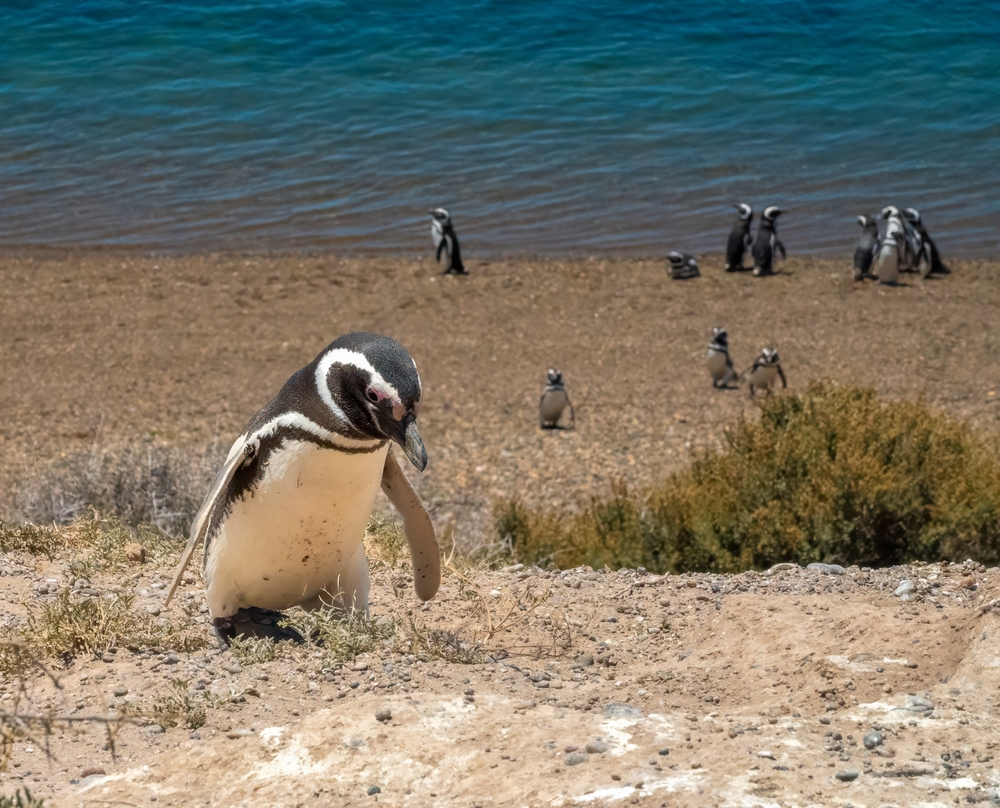
Valdés Peninsula
In the north of Argentine Patagonia, 80 kilometers from Puerto Madryn, the Valdés Peninsula is listed by UNESCO for its concentration of marine wildlife. Between June and December, southern right whales come to calve in the Nuevo and San José gulfs, observable from Puerto Pirámides by boat or sometimes from the beach. From September to March, colonies of elephant seals and sea lions occupy the cliffs, and orcas practice their famous hunting technique by intentionally beaching themselves at Caleta Valdés in March-April. The flat steppe is crossed by 4x4 on dirt tracks; plan for a minimum of 2 nights on site.
Explore by theme
Unique experiences tailored to every traveler.
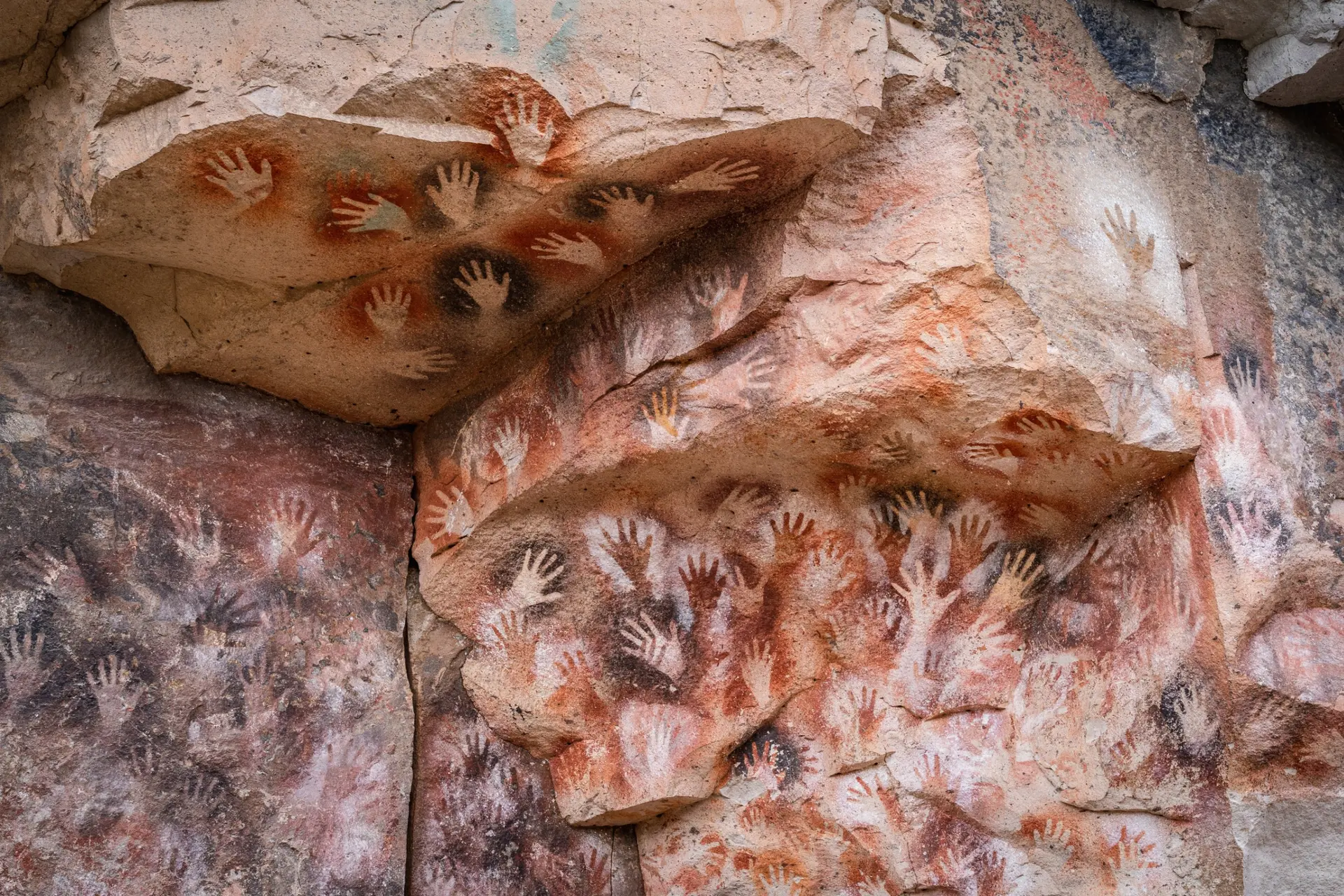
Culture & Heritage
Temples, musées, sites historiques
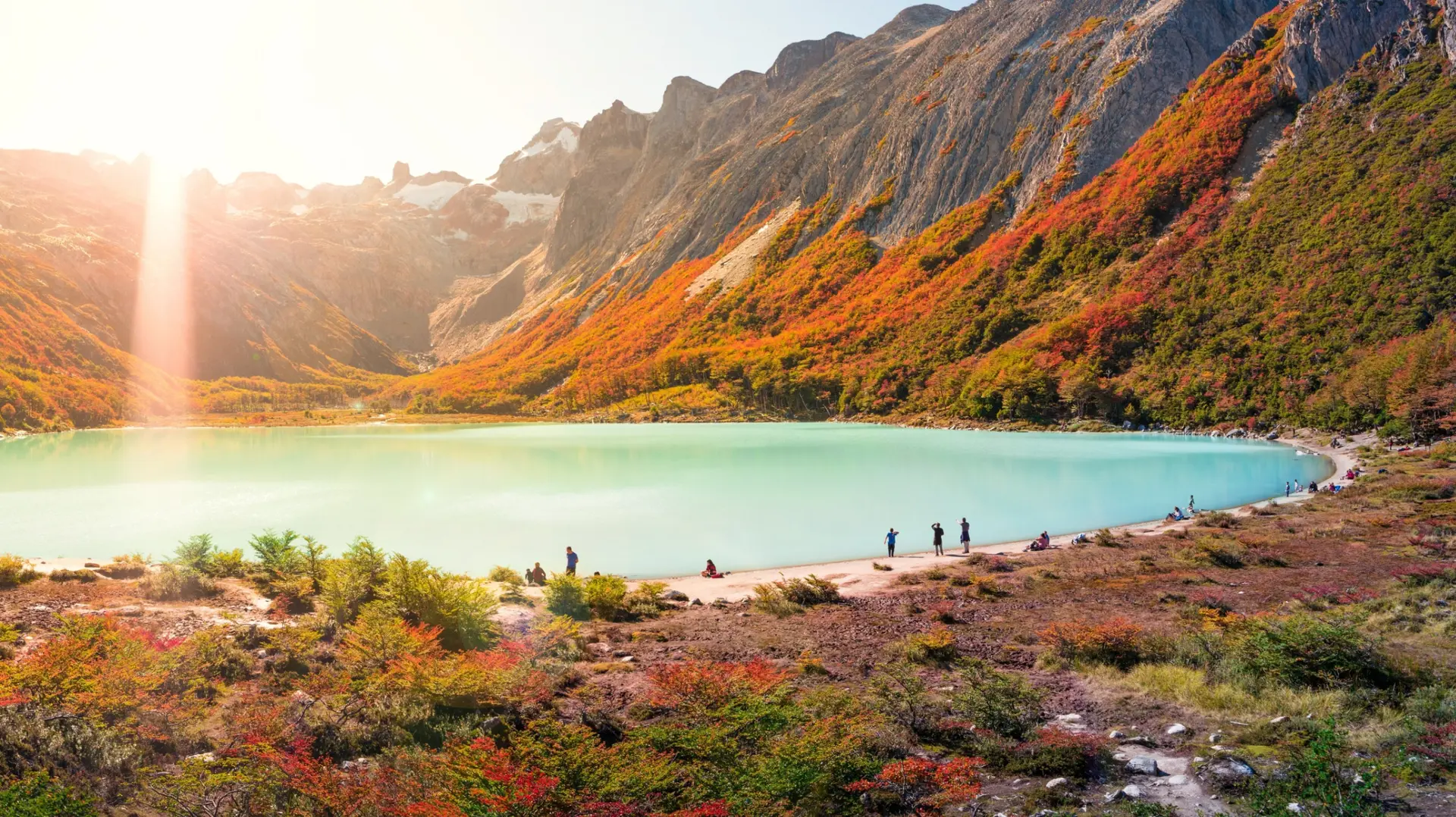
Nature & Landscapes
Parcs nationaux, montagnes, forêts
Sea & Beaches
Littoral, îles, sports nautiques
Wildlife & Biodiversity
Observation animale, sanctuaires, réserves
Activities & Adventure
Trek, kayak, escalade, sports outdoor
Gastronomy
Cuisine locale, marchés, cours de cuisine
We use cookies to improve your experience and measure our site's audience. You can choose what you accept. Learn more.