Cahuelmó
Cahuelmó
Deep within Pumalín Park, the Cahuelmó fjord conceals volcanic hot springs, thousand-year-old forests and the seasonal passage of blue whales.
The Cahuelmó fjord rises majestically through the winding deep forests of the Pumalín Park, in southern Chile. Those who navigate through this fjord discover a true haven of peace and one of the most spectacular landscapes on Earth. Within this fjord lie the famous Cahuelmó Hot Springs. Nothing quite compares for nature lovers…
Cahuelmó Today
Cahuelmó and its hot springs are located in the municipality of Hualaihué, in the Los Lagos region, in Chile. The hot springs sit within the Cahuelmó fjord, a must-see destination in Pumalin Park.
The natural springs are distributed across small pools carved into the rock. A true paradise for relaxation, though note that these natural pools are only accessible to the public in summer.
Around the Cahuelmó fjord thrives an abundant and diverse array of wildlife. Among the most spectacular animals in the area are seals and sea lions. A camping zone has been established near the Cahuelmó hot springs to extend your stay immersed in nature.
The Magnificent Cahuelmó Fjord
Cahuelmó is one of three fjords in the vast Pumalin National Park, in the northern region of Chilean Patagonia. Facing this natural giant nestled in the Lake District, on the eastern shore of the Ancud Gulf, one can only remain humble and awestruck.
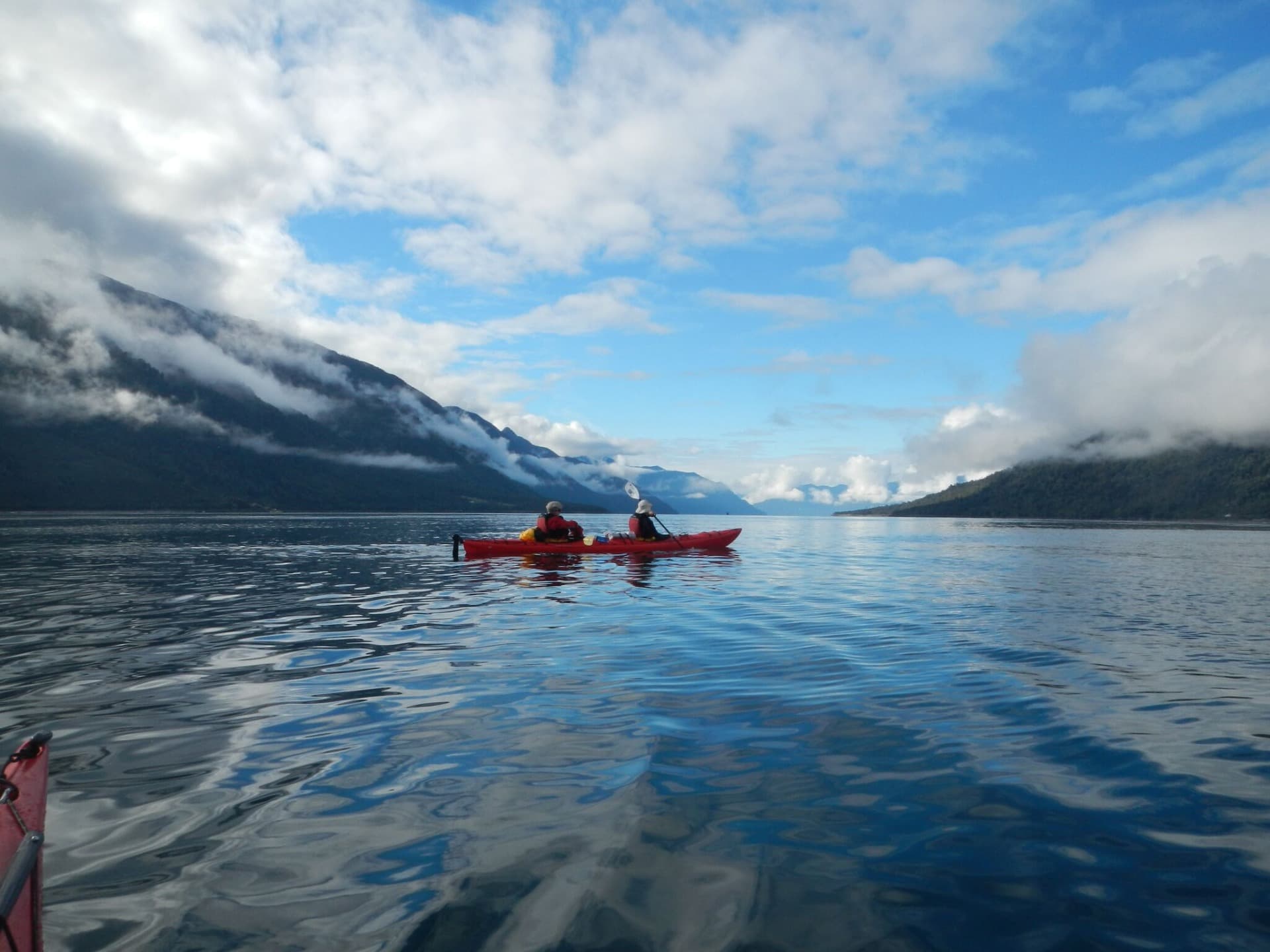
A sea kayaking expedition offers a subtle blend of adventure and challenge. You paddle between stunning wild cliffs that disappear into dark waters. Verdant forests give way to hiking trails, spectacular waterfalls and even a few historic structures.
Pumalin Park is virtually uninhabited. It is the world's largest privately-owned nature reserve. This natural jewel is the property of Douglas Tompkins, an American billionaire businessman and ecologist. He created it with the purpose of preserving the pristine beauty of these lands.
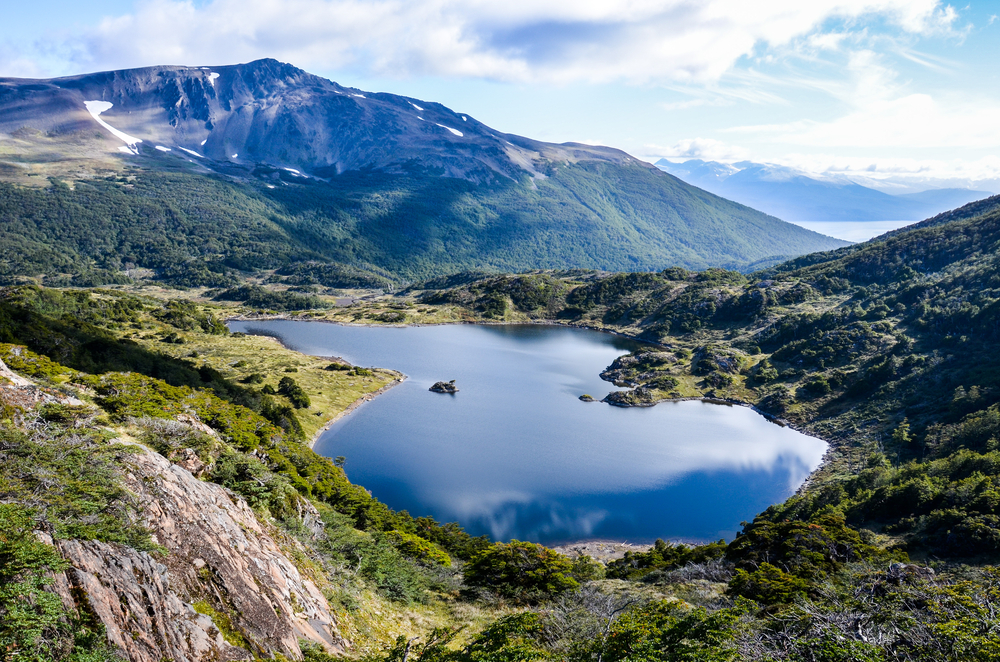
Pumalin Park extends from the Andes to the fjords of the Pacific Ocean, covering approximately 740 thousand hectares. It encompasses magnificent Andean landscapes of Patagonia, fjords, dense forests and cold "Selva Valdiviana" forests. Here grow ancient larches over 4,000 years old.
The Cahuelmó fjord owes its renown to its natural hot springs located along the shoreline. You can reach them by kayak or sailboat. Along the way, there is a chance to observe the famous blue whales that migrate by the dozens to the Cahuelmó fjord each early autumn to breed.
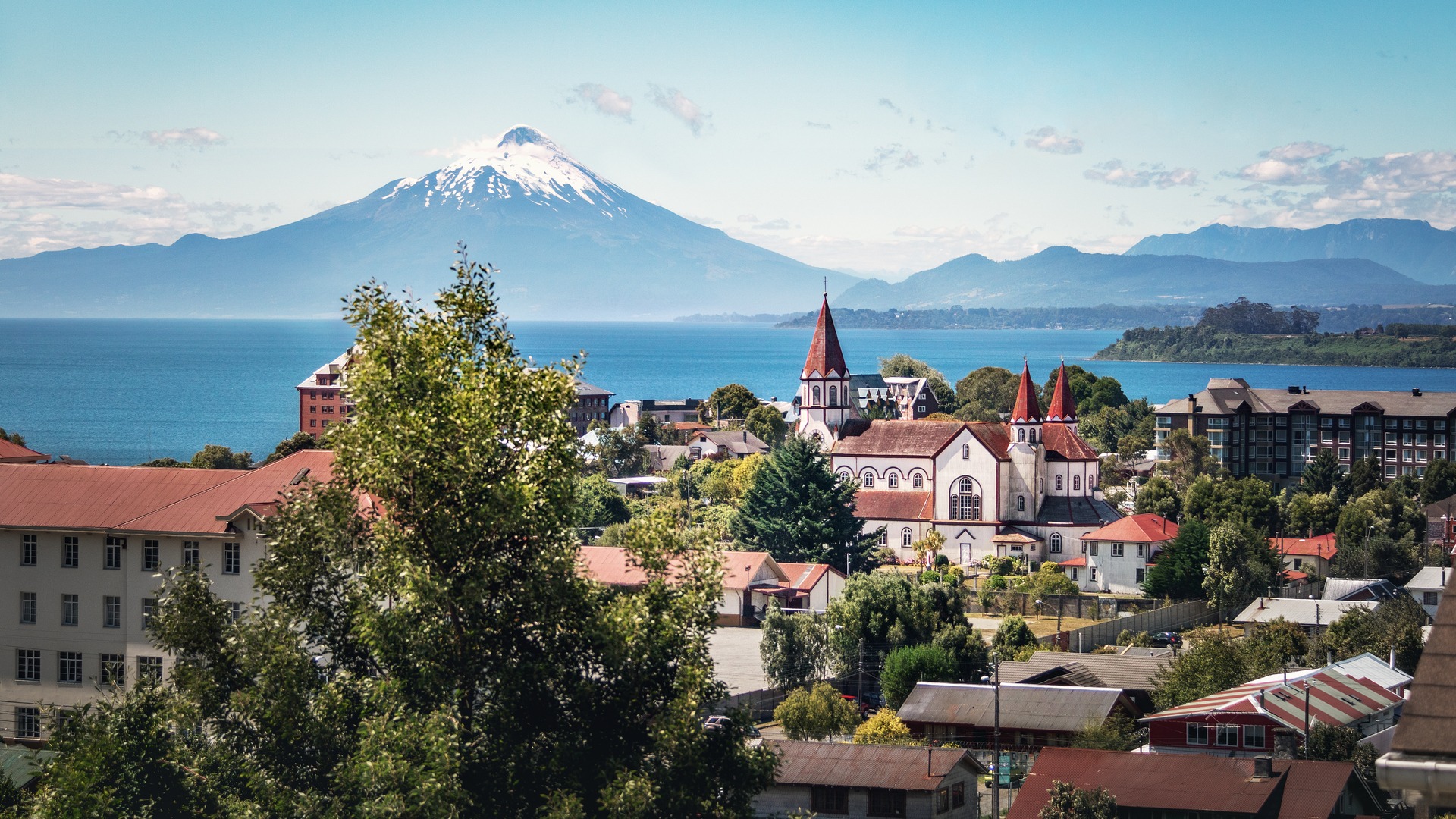
For a day excursion, you can visit Hornopirén, the nearest town to the Cahuelmó fjord. You'll find accommodations, restaurants, cafés and shops there. Stroll along the quay where fishing and excursion boats are moored.
The Cahuelmó Hot Springs
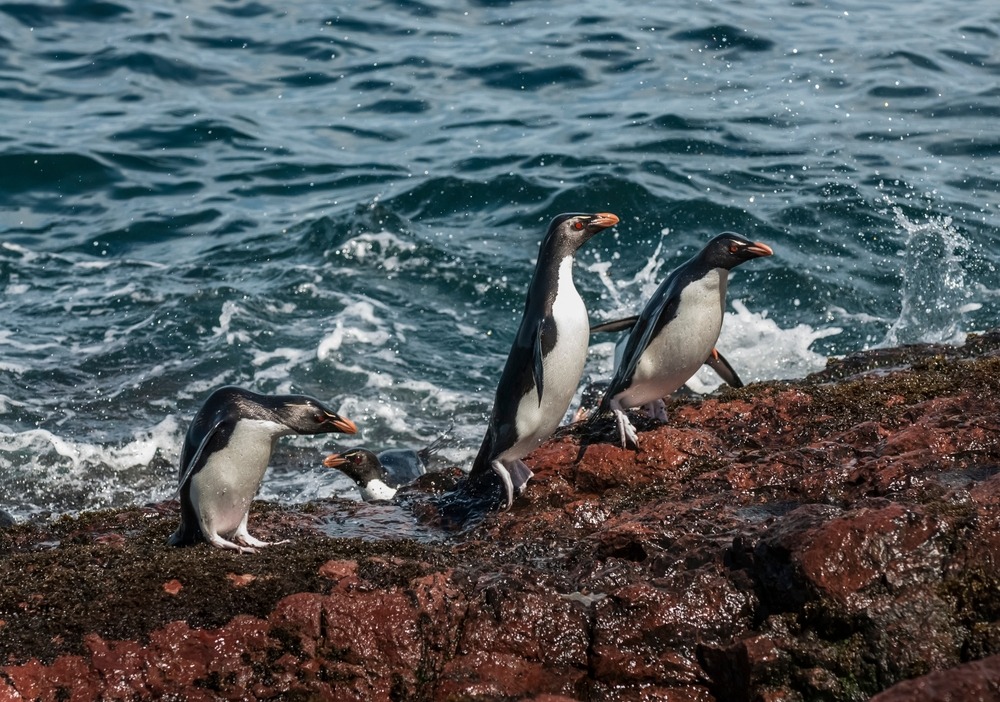
The Baños Cahuelmó, in the Reloncaví estuary at the fjord's end, are accessible only by boat. To reach them, you travel through forests of coigüe, tineo, canelo, olivo and larch trees, with the steep Andean mountains as a backdrop. It is not uncommon to spot Toninas or penguins. You'll also encounter various species of birds and mammals (including the Chucao, Rayadito, puma or the famous Chilean marsupial).
These unique hot springs are distributed across several rectangular pools of varying sizes. The springs are fed by volcanic water from underground sources, channeled through irrigation canals. The scalding thermal water is rich in minerals and healing properties. To achieve the ideal temperature, the water is dammed using grass mounds.
The Climate
The average annual temperature reaches 16°C. As for precipitation, it averages 2,579 mm annually. The best time to visit falls between January and April, then October to December. During these periods, the climate is generally mild and pleasant, with fewer precipitations. In January, the average temperature is 21°C, with lows around 14°C.
Always exercise caution, as the fjord is subject to powerful gusts from the open sea.
By Air
Daily flights are available from Los Angeles, Miami and New York to Santiago (in Chile). Fares range from $723 to $1,402 (round-trip).
From Santiago, daily flights are offered to Puerto Montt ($394 round-trip).
By Bus
From Puerto Montt, take a bus to Hornopirén, located on the northern border of Pumalin National Park. The journey takes approximately 4 hours.
By Boat
From Hornopirén, rent a boat or kayak to reach Cahuelmó Fjord. The crossing takes approximately 2 hours.
Want to discover this destination?
Our local advisors design your tailor-made trip.