El Calafate
El Calafate
Gateway to Perito Moreno and Los Glaciares National Park, El Calafate combines Patagonian steppe, turquoise lakes and ancient glaciers. Our complete guide.
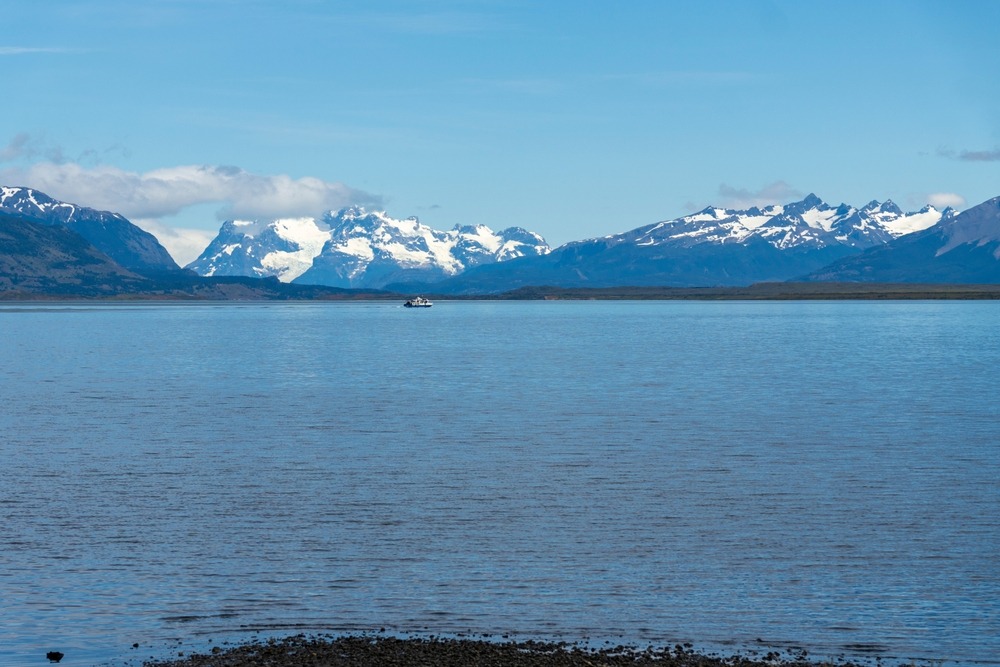
Built on the southern shore of Lago Argentino, El Calafate is the perfect stopover town for visiting Los Glaciares National Park. Marking one of the essential stops along the legendary "ruta 40", this town is best known for its proximity to Perito Moreno, an ancient glacial giant. A journey to this remote village in southern Patagonia, where you'll feel like you're traveling to the end of the world.
A Bit of History
Originally, El Calafate was merely a supply point for cart transports traveling from the region's estancias. The town was officially founded on December 7, 1927 by the Argentine government to strengthen settlement in the region.
In 1943, work on the Los Glaciares National Park began. It was completed in 1946. The locality had only 368 permanent residents at that time. The construction of infrastructure, particularly a paved road in 1989 and an airport in 1996, made it easier to access El Calafate.
El Calafate Today
El Calafate is a town located near the southern ice field of Patagonia. Positioned in the southwest of Argentina's Santa Cruz province, it is the main gateway to Los Glaciares National Park. This park, dotted with 13 glaciers (including the famous Perito Moreno), is one of Argentina's most spectacular.
What was once an isolated hamlet has become, in recent years, a premier tourist destination in Argentina.
Avenida Del Libertador San Martin is the main avenue. It is lined with restaurants, bars, ice cream stands, souvenir shops, tourism offices, ATMs and supermarkets. On the city's outskirts, you'll discover markets dedicated to local artisanal crafts.
Despite significant economic growth driven by tourism, El Calafate remains a pristine and well-preserved place. In its surroundings, you'll find many estancias dedicated to livestock farming (ranches), such as Cristina or 25 de Mayo. Take the opportunity to immerse yourself in Patagonian gaucho culture (cowboy) or taste an authentic Argentine asado (barbecue).
El Calafate, an Escape Through Argentine Patagonia
El Calafate is named after a steppe shrub that produces small violet berries in spring. It's a plant very common in this southern part of Patagonia.
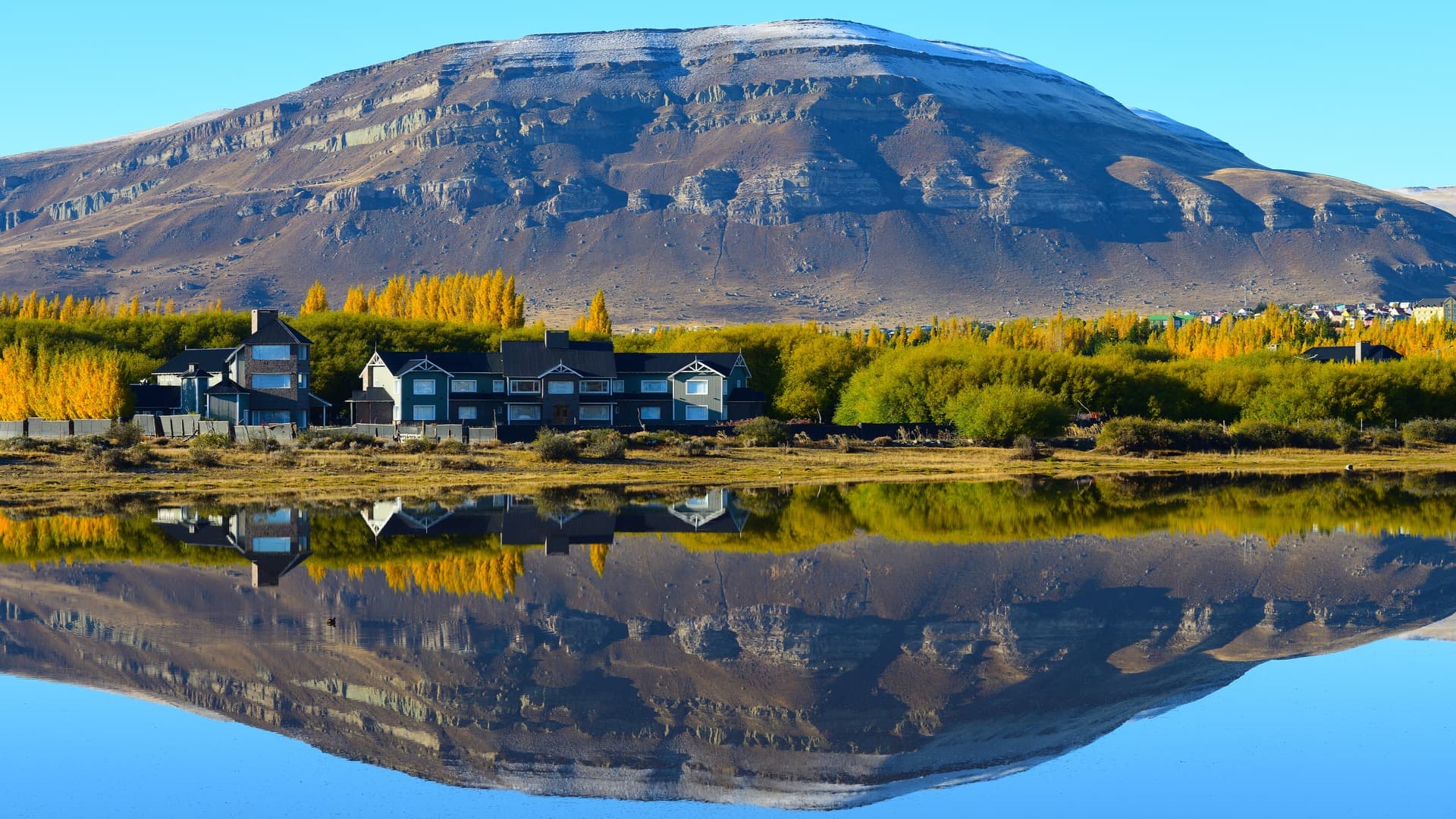
The town itself is a place where life feels good. Perched on the edge of the magnificent turquoise Lago Argentino, this town will certainly charm you.
You're immediately drawn in by a landscape of arid steppe, carved by milky-colored lakes. The further you venture into the steppe, the closer you get to the blue ancient glaciers.
As you wander through the plains, you'll also discover estancias topped with white corrugated metal roofs. These are farms dedicated to raising sheep, horses and cattle.
Around El Calafate, a trip to the Balcon de Calafate is a must. By taking a winding and rugged road that climbs to 1,050 m, you can reach the summit of Mount Huyliche. At the first viewpoint, you'll enjoy a panoramic view of the turquoise blue of Lago Argentino (reaching 1,000 m), the Patagonian steppe and the village of El Calafate. The path continues toward the Labyrinth of stones and rocks carried by glaciers. This is a strange geological formation dating back 85 million years.
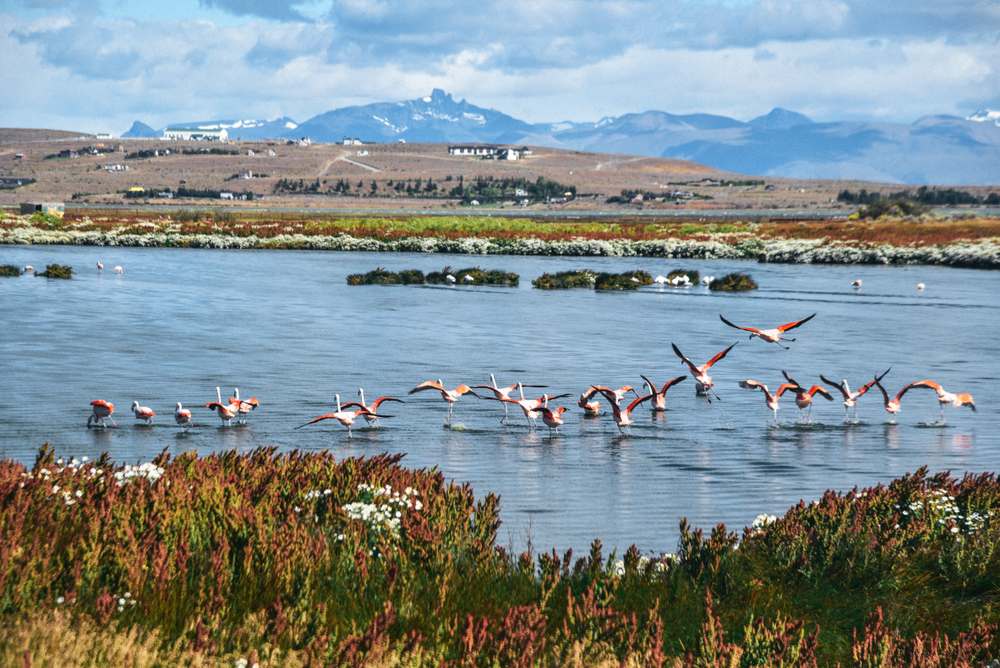
Less than a kilometer from El Calafate's center stretches the Laguna Nimez bird reserve. 80 bird species have made their home here, including flamingos, gulls and swans. The reserve is crossed by 2,500 m of trails and hiking paths, as well as shelters and viewpoints for observing animals up close.
On your hikes, you'll encounter endemic mammals such as the southern Andean deer, the Patagonian hare, the Argentine gray fox, the Magellanic fox and the guanaco. Educational signs provide more information about the unique flora and fauna of the Patagonian steppe.
From El Calafate, you can easily reach El Chaltén, where the famous granite peaks of Fitz Roy and Cerro Torre mountains stand tall. By following the many hiking trails, you can head toward the immense Viedma glacier or climb up toward Lago del Desierto. You'll discover incredible wild landscapes.
80 kilometers from El Calafate, the Perito Moreno glacier (30 km long, 5 km wide and 60 m high) overlooks Lago Argentino in full splendor. It crashes quite frequently with a thunderous roar. By following the Canal de los Tempanos, you can get close enough to this third-largest glacier in Argentina to appreciate its immensity and blue tones.
Other Highlights of El Calafate to Discover
For history enthusiasts, a visit to the El Calafate Historical Interpretation Center is worthwhile. Located between the main avenue and Lago Argentino, this small museum is packed with information on local human and natural history, from the dinosaur era to the present day. You can view some fossils and traditional objects.
The Glaciarium is another museum worth visiting. Located 6 km from El Calafate, on the outskirts, this center houses various information on Argentina's glaciers.
If you prefer to venture out, an excursion to Cerro Frias is a must. This plateau offers stunning views of Patagonia. The contrast is striking between the vast verdant landscape, made up of native lenga forest, and the glacial blue lakes. You can reach the summit by 4x4 in approximately 11.5 hours. The trail is very steep and difficult. The 360° view of Lago Argentino, Fitz Roy and the Towers of Paine (in Chile) is unforgettable. You may also prefer to make the climb on horseback or on foot.
Climate
The climate is cold and dry. In summer, the maximum temperature reaches 25°C, with extremely long days. In winter, temperatures are negative, ranging between -10° and -4°C. The days are then quite short.
The best time to visit El Calafate is between October and April (during the southern summer and spring). Be cautious, as the weather is particularly fickle throughout the region. Strong winds can occur at any time.
By Air
El Calafate Commandante Armando Tom Airport is located 23 km from the town. It is served by airlines such as Lade, Aerolineas Argentinas and Lan Argentina.
Direct flights allow you to connect El Calafate to Buenos Aires, Ushuaia or Trelew. The charter company Aerovia DAP connects Puerto Natales or Punta Arenas to El Calafate.
By Bus
For long distances, you need to change buses at Rio Gallegos, which is 5 hours' drive from El Calafate (320 km). However, buses connect El Calafate directly to El Chaltén (4 hours) or Puerto Natales, in Chile (5 hours). Buenos Aires is 2,800 km by road from El Calafate.
Attractions in El Calafate
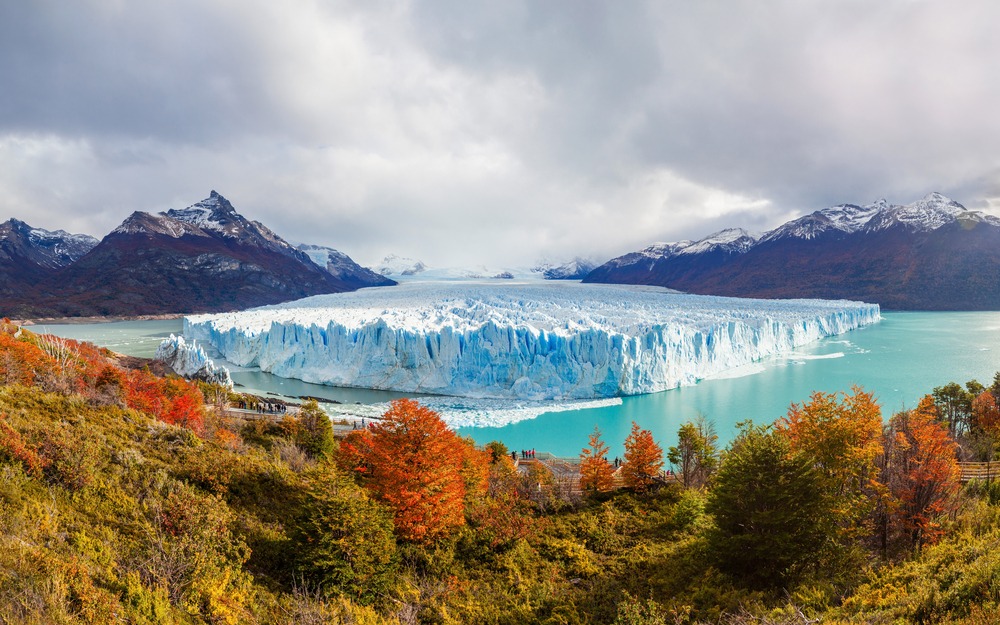
Glacier Perito Moreno
Front de 5 km, vêlages quotidiens et ruptures spectaculaires : guide pratique du glacier Perito Moreno, dans le Parc National Los Glaciares à 70 km d'El Calafate.
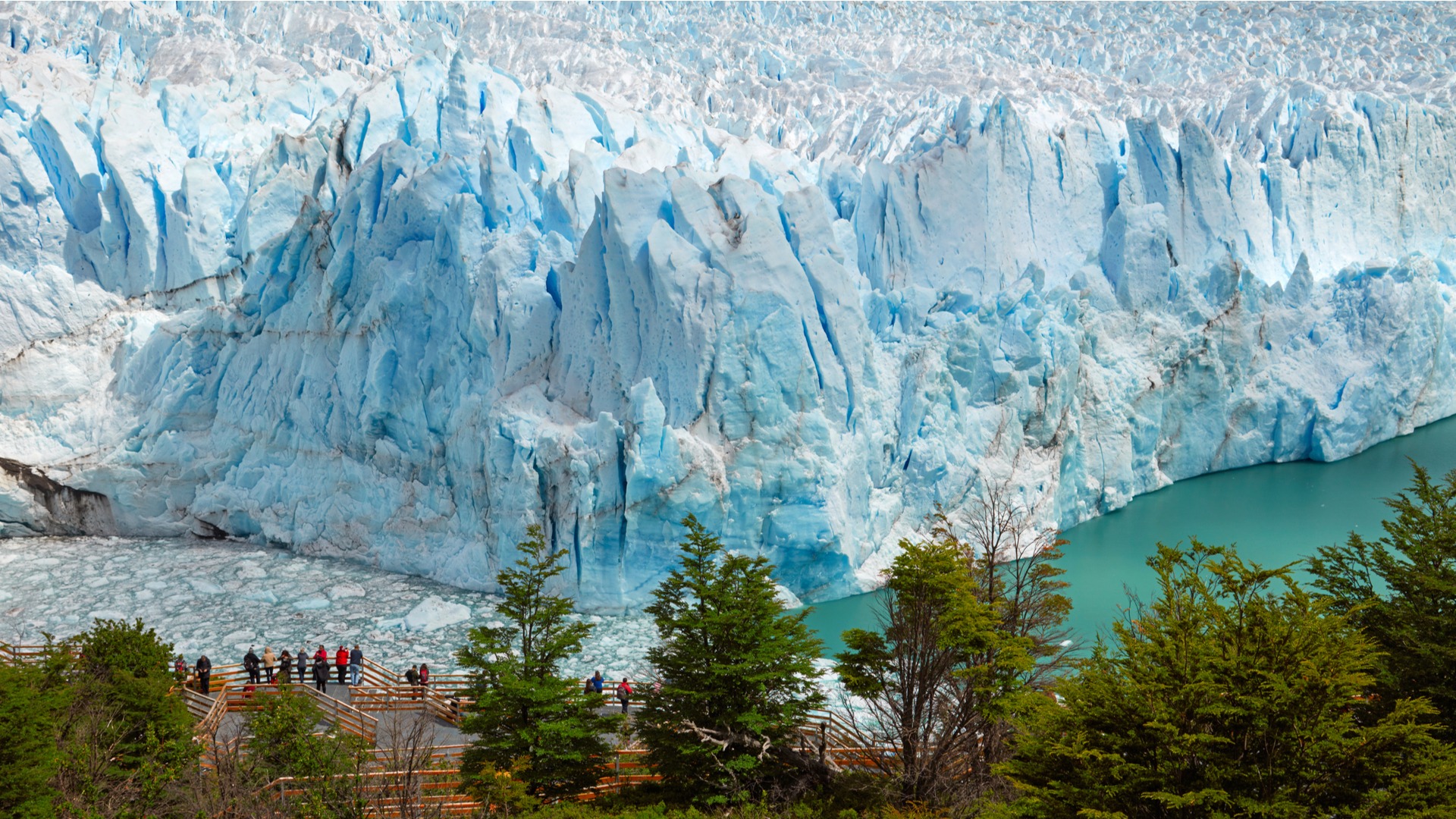
Parc National Los Glaciares
Plus grande zone protégée d'Argentine, le Parc National Los Glaciares abrite le Perito Moreno, le Fitz Roy et le Cerro Torre, classé UNESCO depuis 1981.
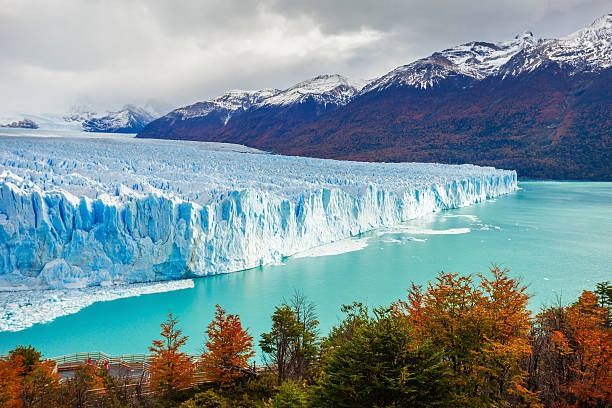
Lac Argentino
Troisième plus grand lac d'Amérique du Sud, le lac Argentino borde El Calafate et donne accès aux glaciers Perito Moreno, Upsala et Spegazzini.
Want to discover this destination?
Our local advisors design your tailor-made trip.