Puerto Edén
Puerto Edén
Nestled on Wellington Island, Puerto Edén is one of the last refuges of the Kawésqar people. A comprehensive guide to preparing for this rare stopover in Chilean Patagonia.
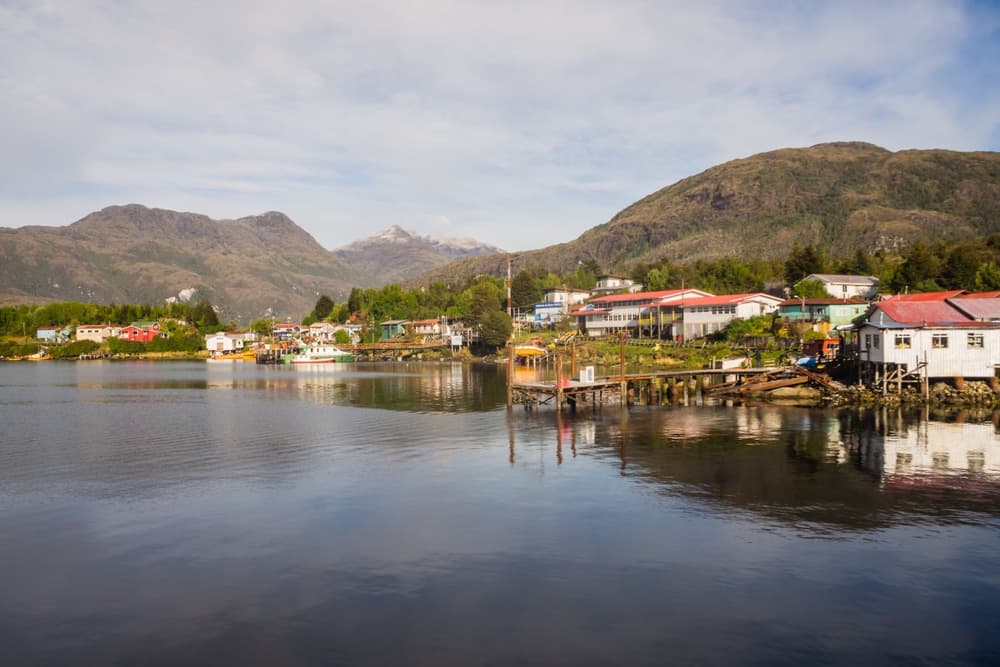
Puerto Edén is a fishing village located in southern Chile, on the western shore of Paso del Indio, in the Ultima Esperanza province. The distinctive beauty of this small hamlet offers numerous opportunities for discovery. This tiny settlement nestled amid the channels is one of the last places on Earth where the traditions of the ancient Kawésqar civilization are preserved. Focus on one of the most remarkable stopovers in Chilean Patagonia.
History of Puerto Edén
The Kawésqar, nomadic indigenous peoples who happened upon the coast, were the first inhabitants of Puerto Edén before the arrival of Europeans, roughly 6,000 years ago. They were skilled canoeists who lived from fishing, gathered wild fruits, and hunted seal and whale meat. The arrival of missionaries and Chilean seal hunters in the early 20th century sparked conflicts with the Kawésqar, as well as the introduction of disease.
Despite Kawésqar occupation since the Middle Ages, Puerto Edén is of relatively recent foundation. Created in 1937 by the Chilean Air Force, the village, particularly its port, served as a military enclave. It was chosen for its strategic position midway between Puerto Montt and Punta Arenas.
This base was built to easily connect Puerto Montt to Punta Arenas via a seaplane network. Many Kawésqar, established in the region, decided to live near the base and earn a living from trade.
By the mid-1960s, indigenous peoples were receiving prefabricated houses from the government. A large number of Chilote fishermen chose to settle near the base in hopes of a better economic future.
The presence of this military base at Puerto Edén brought changes to the material and dietary habits of the Kawésqar. Sea lion hides, used to cover their cabins, became scarcer due to declining hunting. Meanwhile, the population gradually became sedentary.
When the base was abandoned, some Kawésqar returned to their lives as seal hunters and nomads. Gradually, the village came under the jurisdiction of the Carabineros corps.
By the early 1970s, Puerto Edén had over 300 inhabitants and its economic growth was palpable. By 2000, despite a major crisis that forced many residents to leave the village, it had all the infrastructure of a town. There was a school, family garden, medical center, public library, civil registry and police station. Added to this were good networks of potable water, electricity, telephone service, and a television/radio station.
Puerto Edén Today
Puerto Edén is a port city in Chile, constituting a district of the Natales municipality, in the XIIth region of Magallanes and Chilean Antarctica. This fishing village, located on the east coast of Wellington Island, is accessible only by sea: Puerto Montt to the north, and to the south, Puerto Natales.
Puerto Edén is a key stopover for travelers seeking wild and remote destinations.
Most residents today live very simply. Their primary source of income is the sale of mussels, supplemented by artisanal fishing and craft sales to a lesser extent. To enjoy an "urban lifestyle," one must wait for the ferry to dock twice weekly.
Puerto Edén, known for being home to the last Kawésqar, owes its economic growth to commercial transport, tourism, and craftsmanship (woven baskets, tree bark pots, whale bone harpoons, etc.).
Puerto Edén, A Remarkable Stopover in Chilean Patagonia
Located south of the Gulf of Penas, Puerto Edén boasts a wonderful setting where rocky cliffs border temperate rainforest, snow-capped mountains, and lush meadows. In addition to its exceptional natural resources, the village counts among its 250 inhabitants about twenty Kawésqar.
Wellington Island is generally covered with Magellanic temperate rainforest, where various conifer species abound (Magellanic coigüe, Guaitecas cypress, and canelo). Lenga and ñirre are also found here.
Regarding fauna at Puerto Edén, the endangered Huemul deer, sea lions, and sea otters are present in great numbers. Among birdlife, one can spot blue-eyed cormorants, flightless steamer ducks, Falkland Island royal cormorants, eagles, condors, austral parakeets, and Cahuil gulls.
Puerto Edén truly lives up to its name. Nestled at the heart of the Bernardo O'Higgins National Park ( one of the 17 national parks of Chilean Patagonia), it harbors one of the most pristine environments on the planet. Endemic vegetation and fauna abound. The place remains untamed and wild, with waterlogged soils, mosses, and chimneys.
The journey is almost an odyssey. To get there, you'll need to navigate 27 hours from Puerto Natales or 14 hours from Caleta Tortel. You'll traverse glacial fjords, ancient glaciers, windswept channels, and the Southern Patagonian Icefield. It is the largest freshwater body on the planet. And despite the odyssey, Puerto Edén is a destination worthy of a stay of several days.
What to Do in Puerto Edén?
Puerto Edén has several tourist attractions, including an excursion to Bernardo O'Higgins National Park, the Pío XI Glacier, or the Southern Patagonian Ice Field Route.
Puerto Edén is the closest city to South America's largest glacier: the Pío XI Glacier. This mass of ice is part of the Southern Patagonian Icefield. This is an activity that can only be undertaken via a cruise departing from Puerto Natales.
It is also the perfect place to pick delicious wild fruits, such as murtillas, calafate berries, and raspberries. For gourmet travelers, they come to savor freshly-caught spider crab or Chilean sopaipillas. The peaceful atmosphere in the village is ideal for leisurely walks along the wooden boardwalks along the waterfront.
Fishermen also offer boat excursions to Cemetery Island and the Valderas River. Otherwise, the bustle of Fridays and Sundays, when ships arrive with supplies, is a highlight not to be missed. Especially since all residents gather in the streets.
Climate
Puerto Edén is located in a rugged and inhospitable zone. The climate is temperate, cold, and rainy, without a dry season, but with distinct microclimates. It receives an average of 5,000 mm of precipitation annually, particularly in autumn. The average annual temperature is 8°C. In summer, it ranges between 10° and 18°C. Precipitation averages 450 mm per year.
Puerto Edén is practically isolated from the world. It is approximately 2,000 km from Santiago, 400 km from Puerto Natales, and 700 km from Punta Arenas. It is a village accessible only by boat, either from Puerto Montt, Puerto Natales, or Punta Arenas.
Thus, you have two options to get there:
- with weekly ferries connecting Puerto Montt to Puerto Natales. The journey takes 4 days.
- with a boat departing from Caleta Tortel, located near the Carretera Austral (at monthly frequency).
Attractions in Puerto Edén
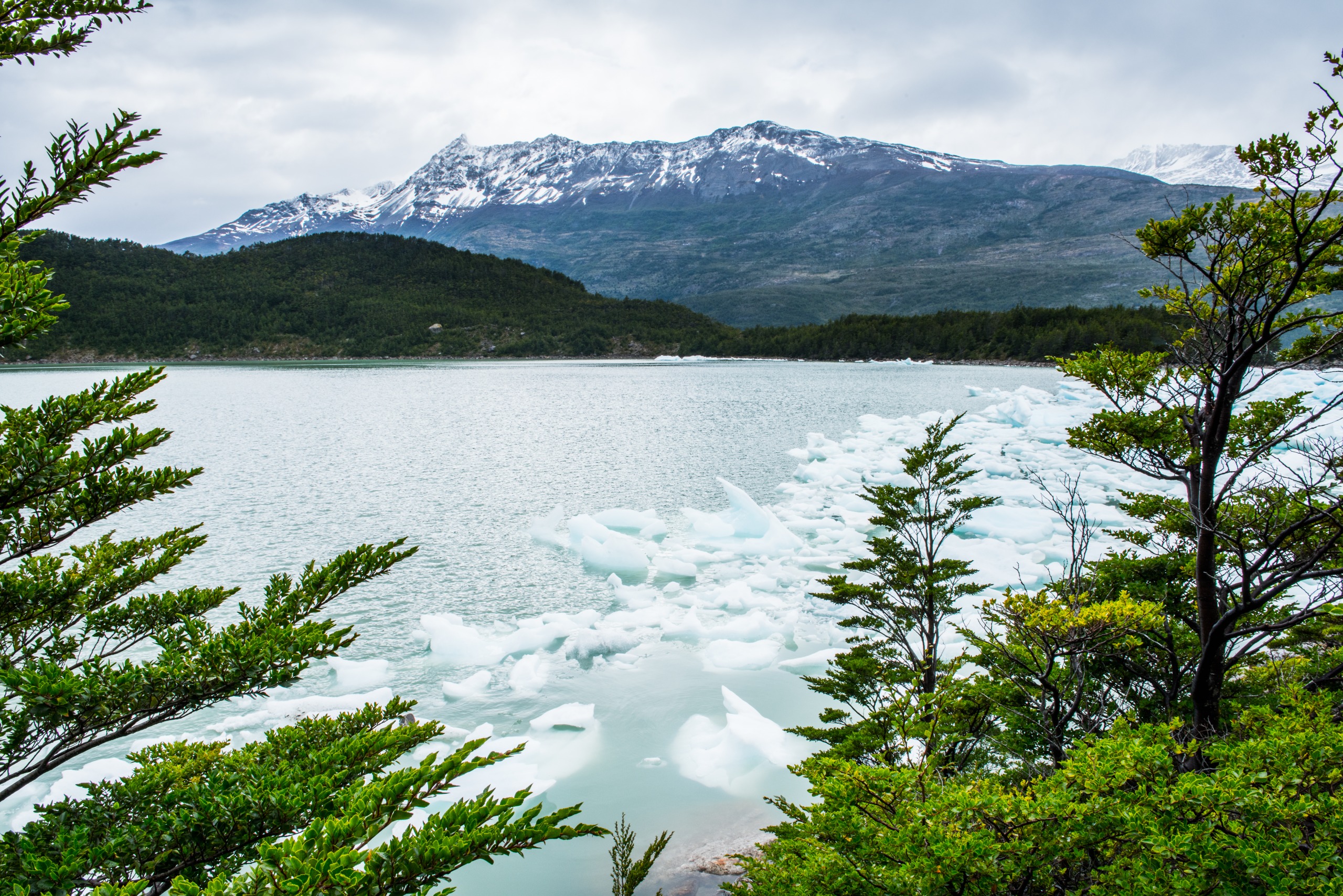
Parc National Bernardo O’Higgins
Plus vaste parc national du Chili, Bernardo O'Higgins protège 49 glaciers et un labyrinthe de fjords accessibles uniquement par bateau ou hélicoptère.
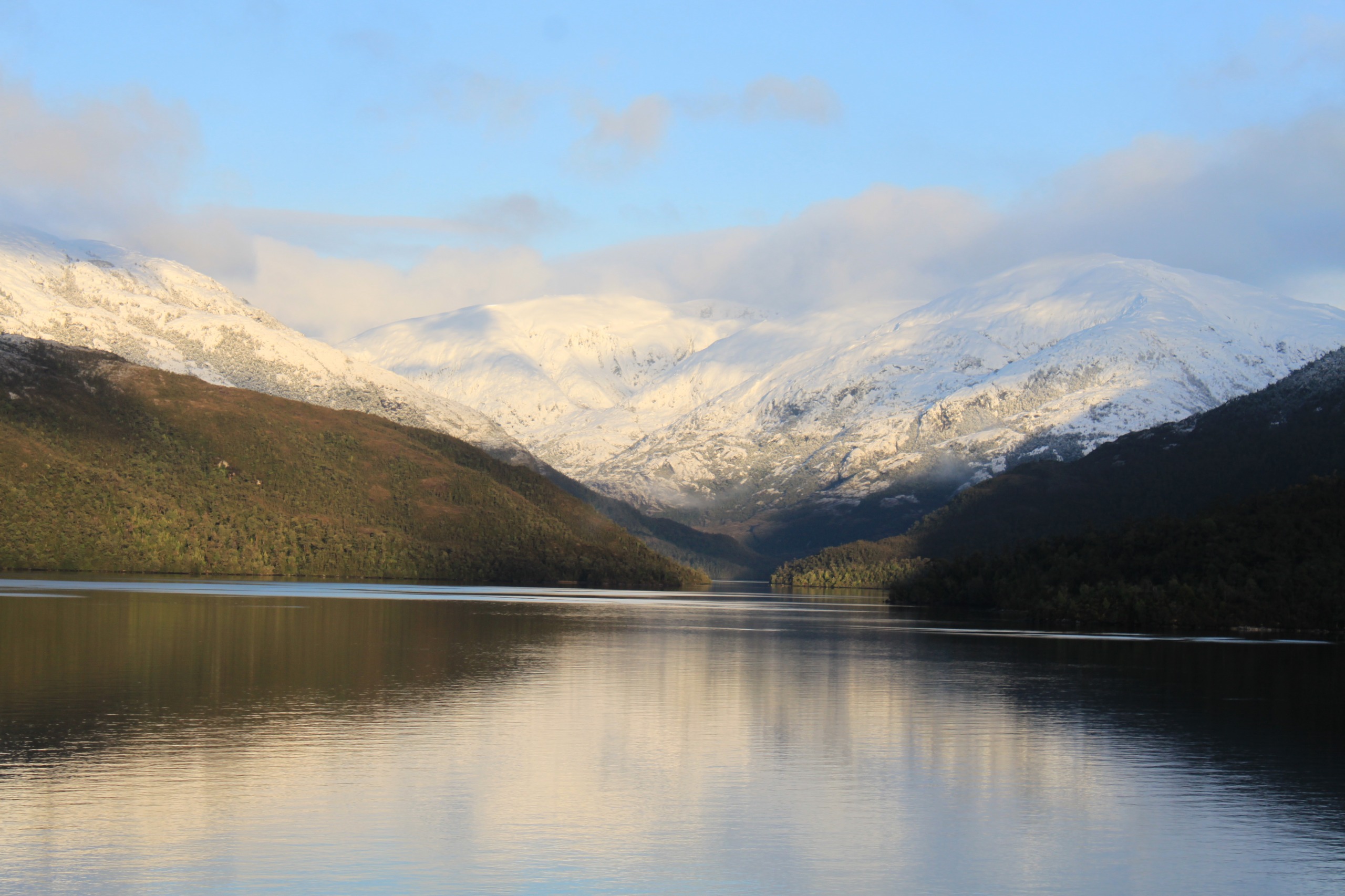
Angostura Inglesa ou English Narrow
Passage étroit de 18 km au cœur des canaux de Patagonie chilienne, l'Angostura Inglesa se traverse en ferry Navimag ou en croisière d'expédition.
Want to discover this destination?
Our local advisors design your tailor-made trip.