Lake Llanquihue
Lake Llanquihue
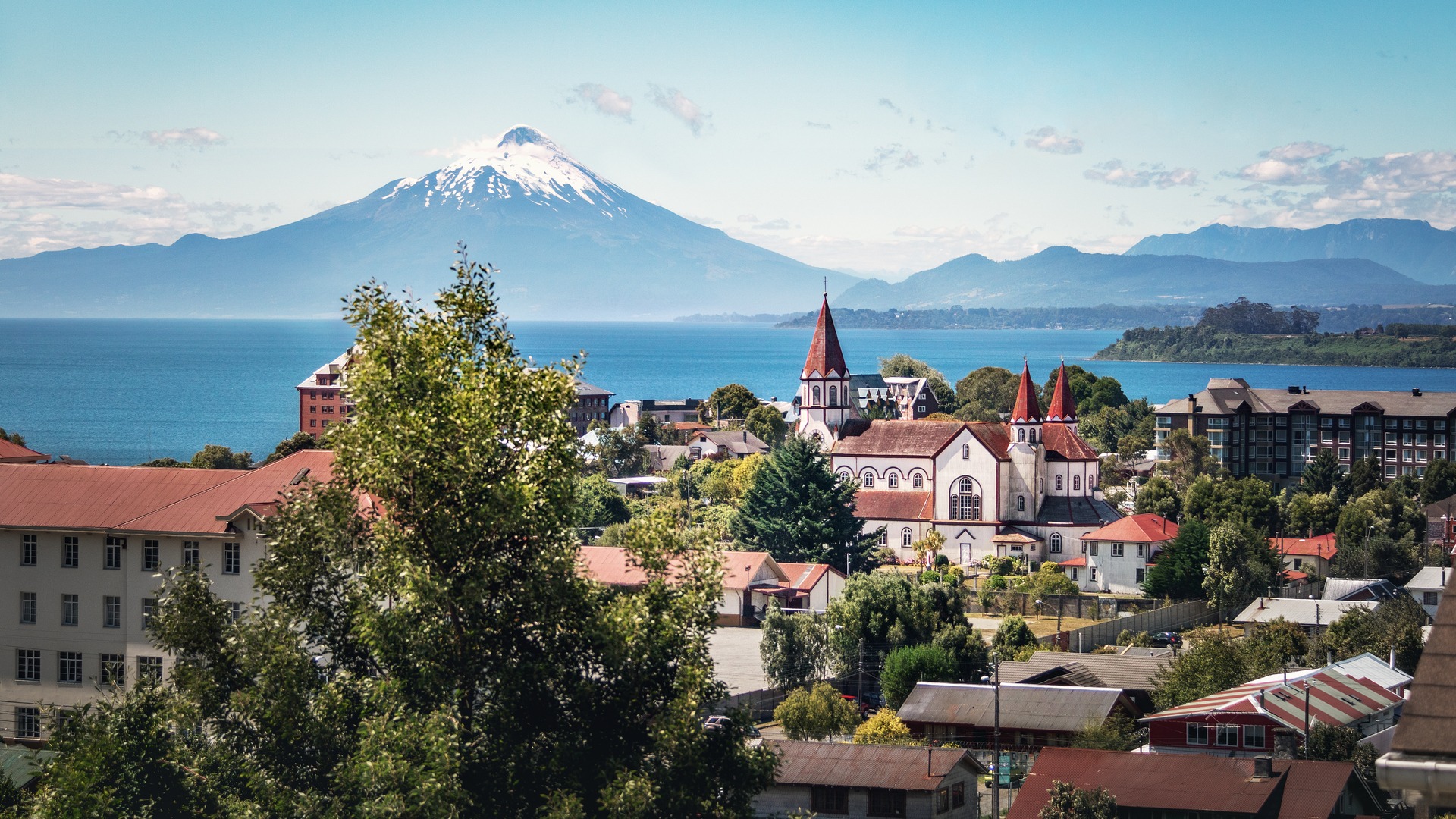
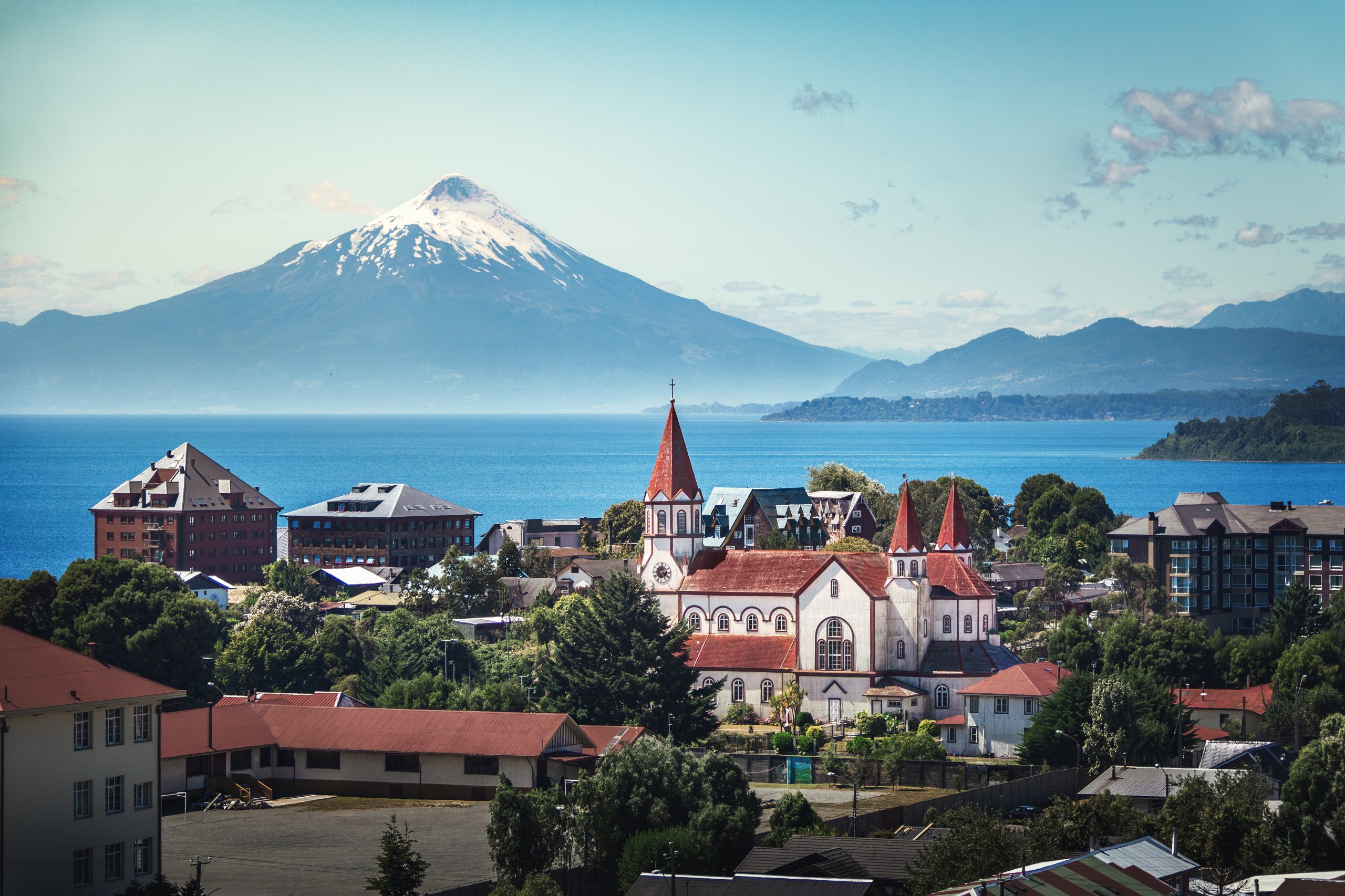
At the foot of Osorno volcano, Lake Llanquihue brings together German heritage villages, beach resorts and access to Vicente Pérez Rosales National Park.
In the Lake Region, Llanquihue is undoubtedly one of the most stunning natural sites in Chilean Patagonia. Of glacial origin, this lake is dominated by the majestic Osorno volcano. Along its shores, charming "typical German" villages and beach resorts await travelers.
A Glimpse of History
It was Governor Valdivia who discovered this lake in 1552 during his final expedition. The name "Llanquihue" comes from the Mapudungun language, "llanquyn-we", meaning "submerged place".
Lake Llanquihue Today
At the foot of the Osorno volcano, Lake Llanquihue is one of the most picturesque in the Lake Region, near Puerto Montt. The shores of this lake are graced with both German villages and beach resorts. While Puerto Varas serves as the departure point for numerous tourist adventures around Lake Llanquihue, Frutillar, situated on the western shore, is the preferred destination for vacationers during the summer season. The charming Bavarian-style town of Puerto Octay is brimming with secluded accommodations on the lake's northern shore. On the eastern shore lies Ensenada, the gateway to the Vicente Perez Rosales National Park.
Characteristics of Lake Llanquihue
Like most of Chile's large lakes, Lake Llanquihue is of glacial origin. Located in the provinces of Osorno and Llanquihue, it stretches across an area of 860 km², making it Chile's second-largest lake after General Carrera Lake. It boasts a maximum depth of 317 meters. The Osorno volcano dominates its entire expanse.
The charming towns surrounding it experience significant tourist development. Puerto Varas, Llanquihue, Frutillar and Puerto Octay are the best known. Near the lake are also several renowned Chilean beach resorts, such as Las Cascadas and Ensenada.
The lake is also known for its numerous tributaries. The eastern tributaries originate from Osorno volcano (2,652 meters above sea level). The southern tributaries flow mainly from the Calbuco volcano (2,016 meters above sea level). The Pescado River, which flows between la Poza and Punta de los Ingleses, is undoubtedly the most spectacular.
Discovering Lake Llanquihue
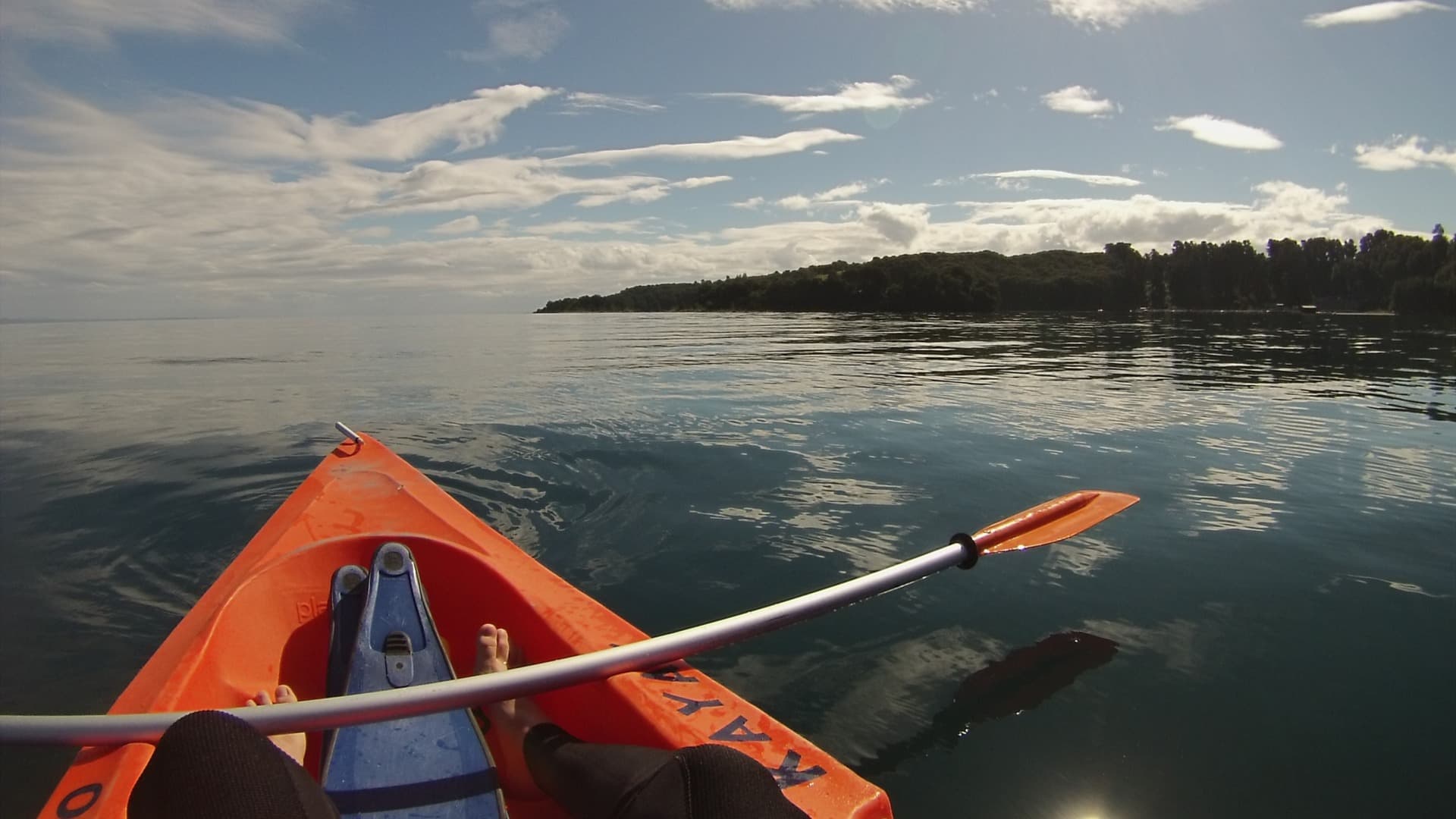
Lake Llanquihue is a superb destination for taking long walks, breathing fresh air and relaxing in a peaceful, verdant setting. You can enjoy fishing in tranquility or take advantage of strong winds for a sailing expedition.
The surroundings of Lake Llanquihue are perfect for hiking. Make your way to Ensenada to admire Osorno up close, the region's most famous volcano. From there, you can venture into one of Chile's most beautiful protected areas: Vicente Pérez Rosales National Park. Its blue lagoons, lush vegetation and waterfalls are sure to mesmerize you.
You can also easily stroll along the lake, particularly on the northern shore, which leads to another picturesque village: Puerto Octay. And for an incredible view of the lake and volcanoes, head to Mirador Sur.
On the western shore of Lake Llanquihue, Puerto Varas is also known as "the city of roses" due to its squares filled with rosebushes. It is undeniably one of Chile's most emblematic cities. Here, German immigrants left their mark on cuisine, traditions and architecture.
South of the lake, Frutillar is another interesting place to visit for its grand German-style homes, parks and gardens, and the German Colonial Museum. Teatro del Lago (Lake Theater) overlooks Lake Llanquihue and the three volcanoes.
By Air
From Puerto Montt, take a flight to Puerto Varas, then a bus to Lake Llanquihue. From Osorno, a flight will take you directly to the lake.
By Bus
The most economical option is to take a bus from Santiago to Puerto Varas or Frutillar.
Interested in this visit?
We can include it in your personalised itinerary.