Lake Viedma
Lake Viedma
A vast glacial lake in Argentine Patagonia, Viedma is admired from El Chaltén between glacier, icebergs, Fitz Roy peaks and protected wildlife.
Lake Viedma, or Lago Viedma in Spanish, is one of the natural jewels of Argentine Patagonia, a region renowned for its breathtaking landscapes, imposing glaciers, and vast untamed expanses. Located in Santa Cruz Province in southern Argentina, this lake is a place where nature unfolds in all its splendor. Between its glacial waters, impressive glaciers, and striking panoramas, it embodies the very essence of Patagonia. Whether you are a lover of grand landscapes or an adventure enthusiast, a visit to Lake Viedma is an unforgettable experience.
Geographical Characteristics
Lake Viedma spans an area varying between 1,088 and 1,600 km². It is the second largest perennial lake entirely situated in Argentina and one of the deepest on the American continent, with a maximum depth reaching 900 meters. Its name honors Antonio de Viedma, a Spanish explorer who was the first European to reach its shores in 1783.
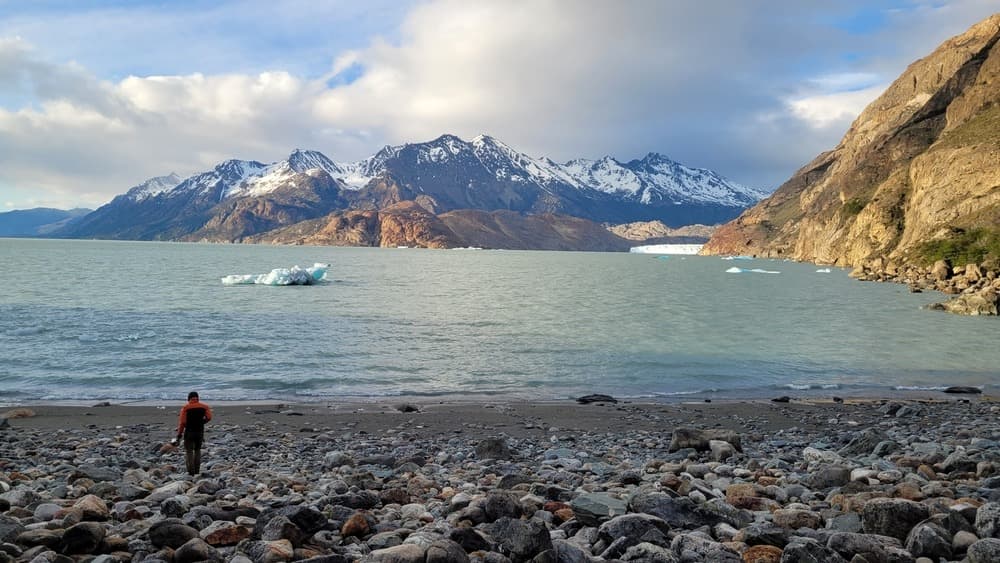
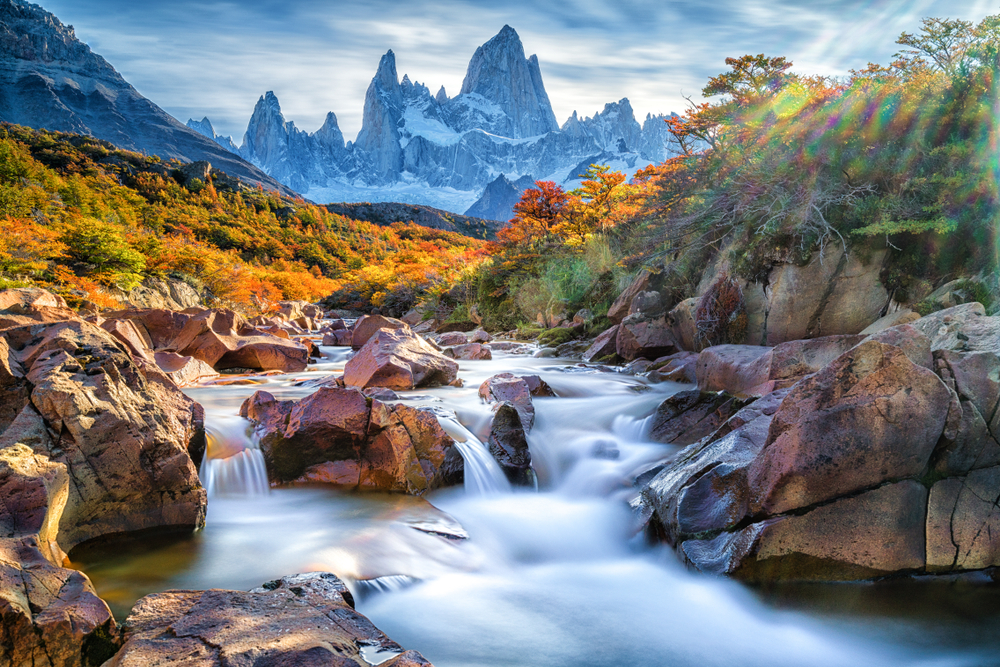
Lake Viedma is surrounded by spectacular peaks, notably Cerro Fitz Roy and Cerro Torre, visible from its shores near the town of El Chaltén. To the east of the lake, the Río La Leona connects its turquoise waters to Lake Argentino, before conducting them to the Atlantic Ocean via the Río Santa Cruz. At its western extremity, Viedma Glacier principally feeds the lake.
The waters of Lake Viedma, displaying a brilliant turquoise or milky blue hue, owe their color to fine rock particles ground by glacial activity. This phenomenon, coupled with glacial erosion that has shaped the surrounding valleys, gives the landscape a raw and wild atmosphere, dominated by steep hillsides and almost devoid of vegetation. The constant winds, characteristic of the region, sculpt the sparse trees into inclined and twisted forms.
Viedma Glacier
Viedma Glacier, one of Patagonia's natural treasures, extends over an impressive area of approximately 900 to 1,000 km². This valley-type glacier is renowned for its approximate length of 78 km, making it one of the region's longest glaciers. Its imposing ice wall, towering 40 meters above the waters of the lake of the same name, creates a striking contrast that captivates visitors.
This ice giant, moving slowly but constantly, descends directly into Lake Viedma, regularly releasing icebergs that add a spectacular touch to the landscape. Crevasses, ice caves, and seracs scattered across its surface form a true frozen labyrinth, offering unique terrain for nature lovers and adventure seekers.
Moreover, it is important to note that beneath the glacier lies the Viedma Volcano, whose last eruption dates back to 1988, adding a fascinating geological dimension to this site. This blend of glacial and volcanic elements, combined with the distinctive brilliance of the lake's waters, gives Viedma Glacier exceptional beauty that attracts numerous explorers and natural landscape enthusiasts each year.
Wildlife Around Lake Viedma
Despite the region's harsh climatic conditions, Lake Viedma and its surroundings harbor remarkable biodiversity, providing refuge to numerous animal species, some of which are threatened. The "Reserva Estricta," located near the lake's western shore, constitutes a preserved sanctuary where wildlife thrives far from human disturbance.
Among the emblematic species of this area, the huemul, an Andean deer facing extinction, may sometimes be spotted descending to the lake to drink. This region is also home to miniature deer, known locally as punu punu. Gray foxes, guanacos, and armadillos are also found here, offering unique observation opportunities for attentive visitors.
Furthermore, the lake's shores and waters attract a wide variety of birds, including pink flamingos, condors, eagles, and various migratory waterbirds.
Moreover, Lake Viedma is also prized by anglers for its abundance of fish. Its waters are home to three trout species: lake trout, rainbow trout, and brown trout.
Lake Viedma, though less frequented than other Patagonian sites, offers a unique and secluded experience for nature enthusiasts. It should be noted that no buses or organized tour transports bring large crowds to its shores, thus preserving its wild and peaceful atmosphere.
The lake is accessible primarily from the towns of El Calafate and El Chaltén. El Calafate, located approximately 80 km to the west, is the main gateway for travelers wishing to discover Patagonia's natural wonders, such as Perito Moreno Glacier, Lake Argentino, and of course Lake Viedma. Route 40, which connects these sites, follows in part the course of Río La Leona, while offering breathtaking panoramas.
Closer by, just 14 km north of the lake, the small town of El Chaltén presents itself as the ideal starting point for adventurers. It is renowned for its hiking trails and modest, simple accommodations.
Furthermore, from El Calafate or El Chaltén, several options exist for reaching the lake:
- Organized excursions: Many tourism agencies offer excursions combining overland transport (by 4x4) and lake navigation to observe Viedma Glacier and enjoy the landscapes.
- Private transport or self-drive: You can rent a vehicle or arrange private transport to reach an embarkation point near the lake, then board for a cruise or water-based activities.
Lake Viedma Today
Lake Viedma is a key player in local tourism's economy. It attracts numerous visitors each year who wish to explore Patagonia's spectacular natural landscapes. Thanks to its accessibility from El Calafate and El Chaltén and the diversity of activities offered, the lake is becoming an essential destination for those traveling in this remote region of Argentina. Beyond outdoor activities, excursions on the lake and glacier are also an excellent way to support ecotourism and the conservation of this precious region.
Activities
Lake Viedma and its surroundings offer a wide range of activities for nature and adventure enthusiasts. Here are some of the most popular experiences not to be missed:
Cruises and Boat Excursions
One of the most spectacular ways to discover the lake is to navigate by boat. Several operators offer cruises that allow you to approach Viedma Glacier closely and observe the immense icebergs drifting on the water. These excursions are ideal for those seeking a peaceful experience while admiring the landscapes. Some cruises include stops for nature walks or glimpses of less accessible park sites.
Hiking and Trekking
It is important to note that glacier hiking, once a popular activity, is now limited by authorities due to injury risks and is only permitted with specific permits. However, it remains possible to admire magnificent panoramas in other ways.
Indeed, the hiking trails around Lake Viedma and its glaciers offer spectacular views of the mountains, glaciers, and local wildlife. One of the highlights of trekking in this region is the trail leading to the Viedma Glacier viewpoint, an ideal vantage point from which to observe the extent of the ice and the immensity of the landscape. These hikes can be combined with wild camping experiences for total immersion in nature. Furthermore, certain accommodations in El Chaltén offer bike rides and horseback excursions.
Ice Climbing and Mountaineering
The more experienced can venture into more technical expeditions, such as ice climbing on the walls of Viedma Glacier. This is an exciting activity allowing you to explore crevasses and climb icy surfaces. There are also mountaineering opportunities in the region, notably for those wishing to ascend some of the surrounding mountains.
Interested in this visit?
We can include it in your personalised itinerary.