Magellan Strait
Magellan Strait
A 611 km waterway connecting the Atlantic and Pacific oceans, Magellan Strait traverses Chilean Patagonia between fjords, glaciers and austral wildlife.
Located at the southern tip of South America, Magellan Strait (or estrecho de Magallanes in Spanish) is a natural waterway connecting the Atlantic and Pacific oceans. Crossing Chilean Patagonia, this historic maritime passage extends for approximately 611 km. The strait is a route steeped in history and surrounded by breathtaking landscapes. Whether you're passionate about exploration history, a nature enthusiast or seeking adventures off the beaten path, this region offers an unforgettable experience.
A strategic location
Magellan Strait separates the continental part of South America in the north from the Great Island of Tierra del Fuego in the south. It constitutes a natural border between two worlds. This passage lies within the 12th province of Chilean Patagonia, called the region of Magallanes and Chilean Antarctica, an area marked by wild and pristine landscapes. With a width varying between 2 and 30 km, it is one of the longest and most navigable routes between the Atlantic and Pacific oceans.
History
Magellan Strait is the result of erosion of an ancient glacial valley, carved by an immense glacier that formed in the Andes cordillera. During glacial periods, it flowed eastward toward the Atlantic Ocean. When the climate warmed approximately 10,000 years ago, the ice melted and sea levels rose during the last glaciation, flooding the valley to form the maritime passage.
The strait bears the name of Fernand (or Ferdinand) de Magellan (1480–1521), who crossed it for the first time in 1520 during his famous expedition aimed at reaching the Moluccas by sailing westward. This Portuguese explorer, heading a fleet of 5 ships, departed Spain in 1519 to undertake what would become the first circumnavigation of the globe.
After enduring several months of perilous navigation along South American shores, Magellan and his crew finally reached the strait on November 1st, 1520, All Saints' Day. Initially named the "Strait of All Saints," the passage was quickly renamed in tribute to its discoverer. The crossing lasted 38 days, from October 21st to November 27th, 1520, during which the crew navigated through difficult waters, dotted with fjords and islets. Despite the expedition encountering numerous difficulties, including the desertion of one ship and the wreck of another, this discovery opened a maritime route between Europe and Asia by circumventing the dangerous Cape Horn.
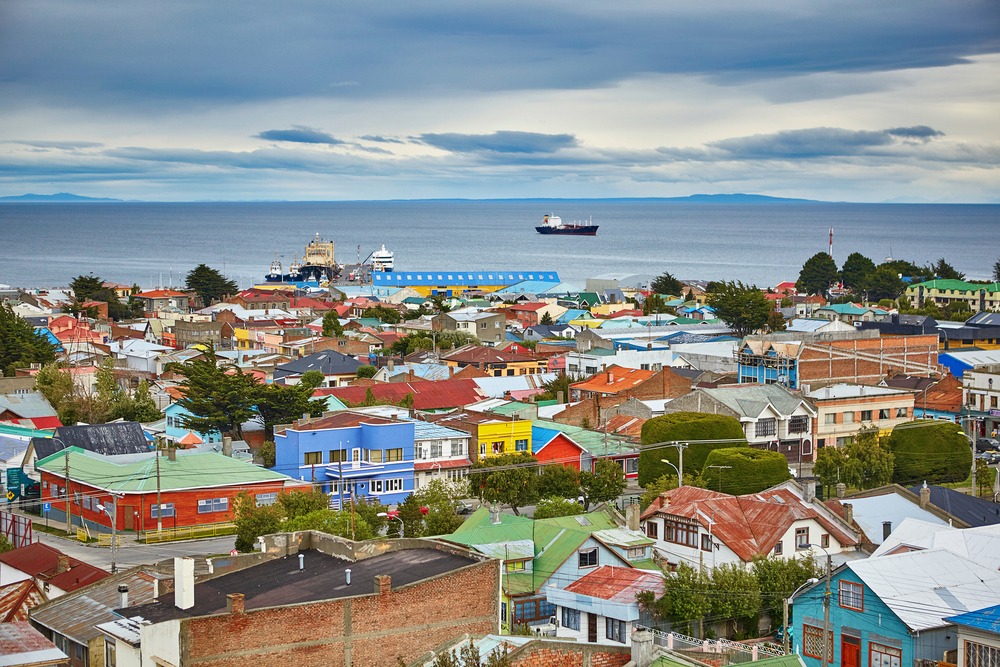
In the 19th century, maritime commerce and whaling increased interest in this region. On September 21st, 1843, Chile officially claimed sovereignty over the strait and established colonies to consolidate its presence. Punta Arenas, founded on December 18th, 1848, became the region's principal city and continues to play a key role in the development of Chilean Patagonia today. It is, moreover, the gateway to Magellan Strait. Furthermore, in 1881, the border treaty officially secured Chilean control over the region, ending years of disputes with neighboring countries.
Geographic characteristics
Magellan Strait lies between the southern tip of the South American continent and the Tierra del Fuego archipelago. Its strategic position makes it a key passage for ships wishing to avoid Cape Horn, known for its tumultuous waters.
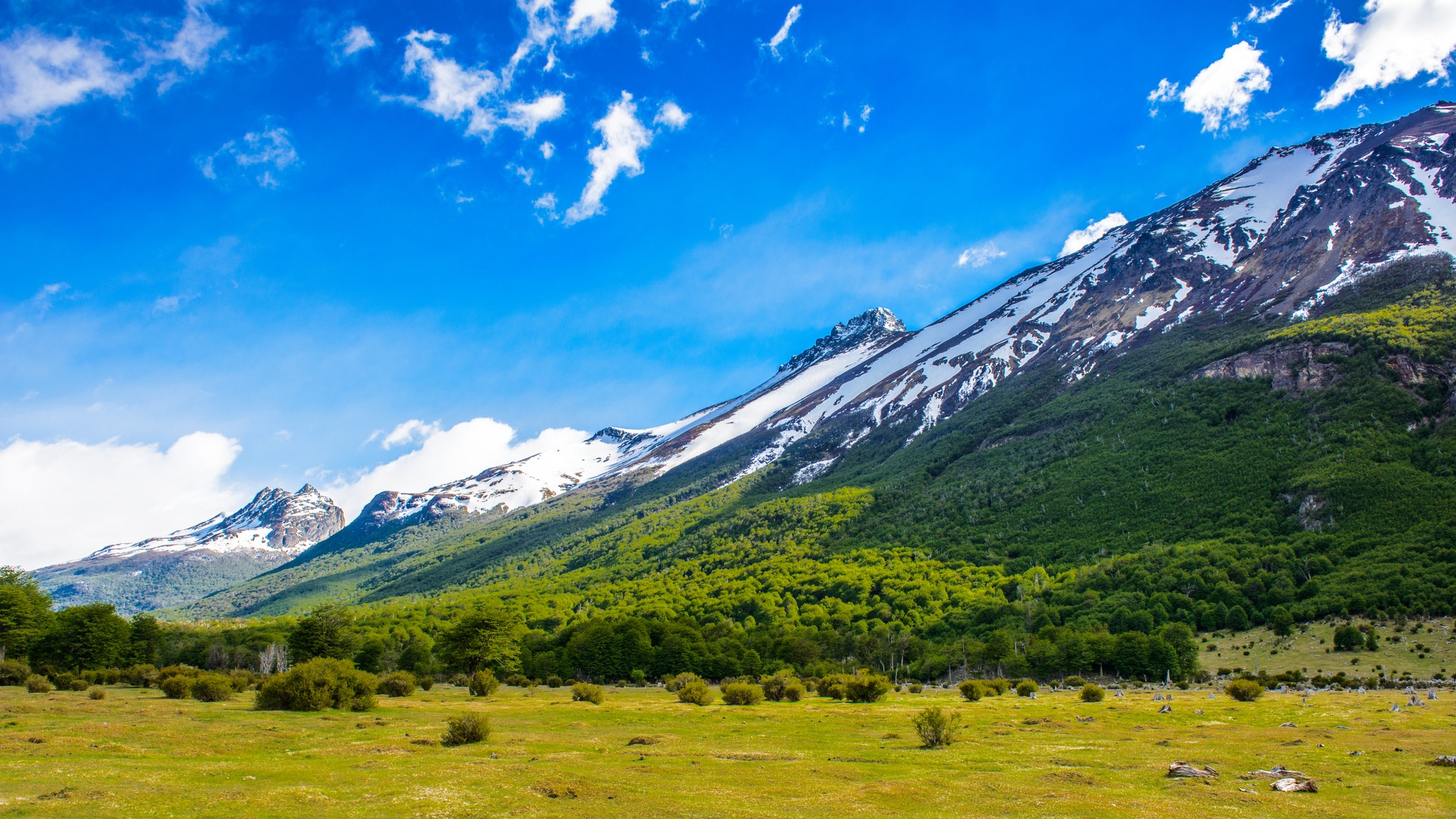
The shores of the strait offer a striking natural spectacle, blending fjords, glaciers and subantarctic forests. Its cold waters harbor impressive biodiversity, including dolphins, sea lions, cormorants and even whales. The islands dotting the strait, such as Dawson Island and Carlos III Island, are sanctuaries for marine fauna and ideal stopover points for explorers and researchers.
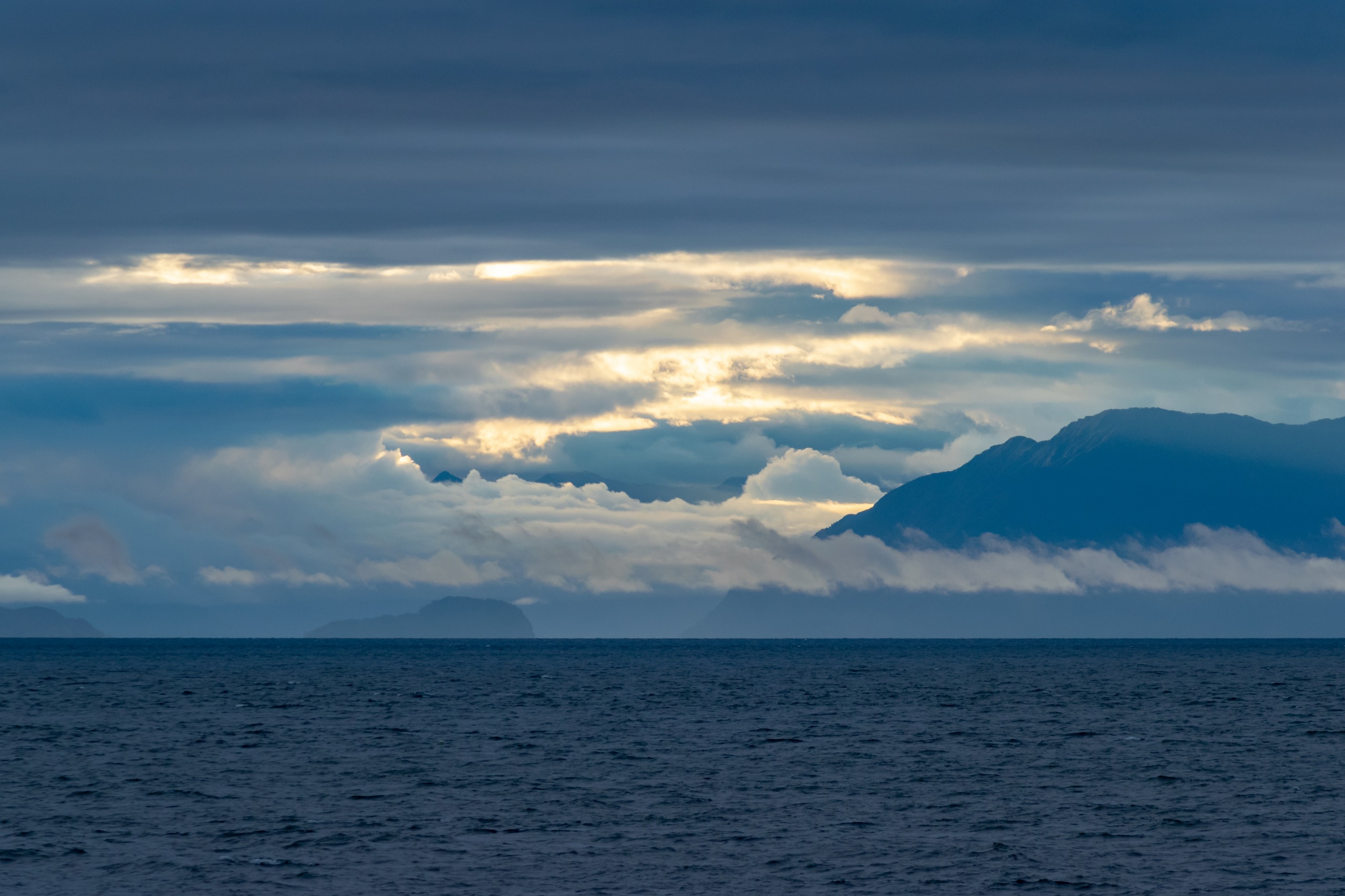
Moreover, the weather in this region is renowned for being capricious. Unpredictable meteorological conditions, powerful currents and narrow channels make navigation difficult and require great expertise from navigators. Nowadays, thanks to modern technologies, navigation is safer, but sailors continue to respect the untamed power of this passage.
Unique wildlife
Magellan Strait is a haven for nature lovers and wildlife enthusiasts. This region abounds with fascinating species, some of which have become unmistakable symbols of the place:
Magellanic Penguins
Magellanic penguins hold a prominent place among the strait's emblematic fauna. These birds, known for their ungainly gait on land, are the only ones residing outside Antarctica, attracting visitors from around the world. They can especially be discovered on the beaches of Magdalena Island.
Marine mammals
Magellan Strait is a refuge for numerous marine mammals. Its waters attract dolphins such as Peale's dolphin and the southern right whale dolphin, often spotted near boats. Moreover, this maritime passage is also essential for whale species, such as humpback whales, minke whales and blue whales, which migrate to the region. Finally, the strait's coasts also harbor colonies of sea lions and elephant seals, contributing to the richness of this ecosystem.
Seabirds
Magellan Strait is also a true paradise for bird enthusiasts. In addition to penguins, it is possible to observe many species of seabirds, such as:
- Albatrosses
- Giant petrels
- Cormorants
- Skuas
These birds have perfectly adapted to the region's rigorous conditions, confronting violent winds and glacial waters to feed.
Terrestrial fauna
Along the strait's shores, guanacos, wild cousins of llamas, graze in vast wind-swept grasslands. The subpolar forests of the region are home to rare animals, such as the Magellanic fox and the huemul, an endangered Andean deer.
Legends surrounding Magellan Strait
Magellan Strait is far more than a simple magnificent natural site. It is also laden with ancient stories and fascinating legends, which have fueled the imagination of travelers and inhabitants of the region for centuries.
The legend of Caleuche
The waters of Magellan Strait are also the setting for a captivating Chiloé myth. This is the legend of Caleuche, a mysterious phantom ship that would wander these turbulent seas. According to accounts, this boat would manifest itself at night, ablaze with light and resounding with music and laughter. Commanded by powerful sorcerers, it would welcome aboard the souls of sailors lost at sea. Out of superstition and fear of being bewitched, fishermen take care never to gaze upon it directly.
The cursed colony of Puerto del Hambre
In 1584, Pedro Sarmiento de Gamboa founded the colony of Puerto del Hambre to secure Magellan Strait against English pirates. However, isolation, a hostile climate and food shortages condemned the colonists, most succumbing to hunger and cold. Three years later, English corsair Thomas Cavendish arrived at the site, where only a single survivor remained, and renamed the place "Port Famine." The ruins of this colony still testify today to the harsh reality faced by explorers in these inhospitable lands.
The tragic fate of Gamboa's expedition
Pedro Sarmiento de Gamboa's expedition is a story of tragedy and perseverance. After the failure of Puerto del Hambre colony, Gamboa returned to Spain to obtain assistance. His return journey was fraught with obstacles: captured by English pirates and imprisoned, he attempted to return to the Americas, but failed to reach his colonists. His story illustrates the challenges and determination of explorers facing the dangers of the New World.
When to visit?
The ideal period for exploring the Magellan Strait region corresponds to the austral summer, from November to March, when the climate becomes more temperate. It is also during these months that humpback whales can be observed in Francisco Coloane Marine Park.
What to do and see in Magellan Strait?
Magellan Strait attracts travelers from around the world, fascinated by its history, grandiose landscapes and exceptional wildlife. Cruises and boat excursions, heading toward Ushuaia and Tierra del Fuego, allow you to discover this isolated and pristine region. These boat excursions are opportunities to discover:
- Cape Horn
- Glaciers in the Beagle Channel
- Magellanic forest
- Marinelli Glaciers
Tourists can also embark to explore islands inhabited by colonies of seabirds and mammals, such as Magdalena Island to see thousands of Magellanic penguins.
For visitors seeking adventure, guided hikes allow you to discover the strait's wild coasts, offering unique panoramas of the shimmering waters and surrounding mountains.
Interested in this visit?
We can include it in your personalised itinerary.