Puerto Natales
Puerto Natales
Gateway to Torres del Paine National Park, Puerto Natales combines fjords, glaciers and Patagonian heritage. Complete guide to prepare your stay.
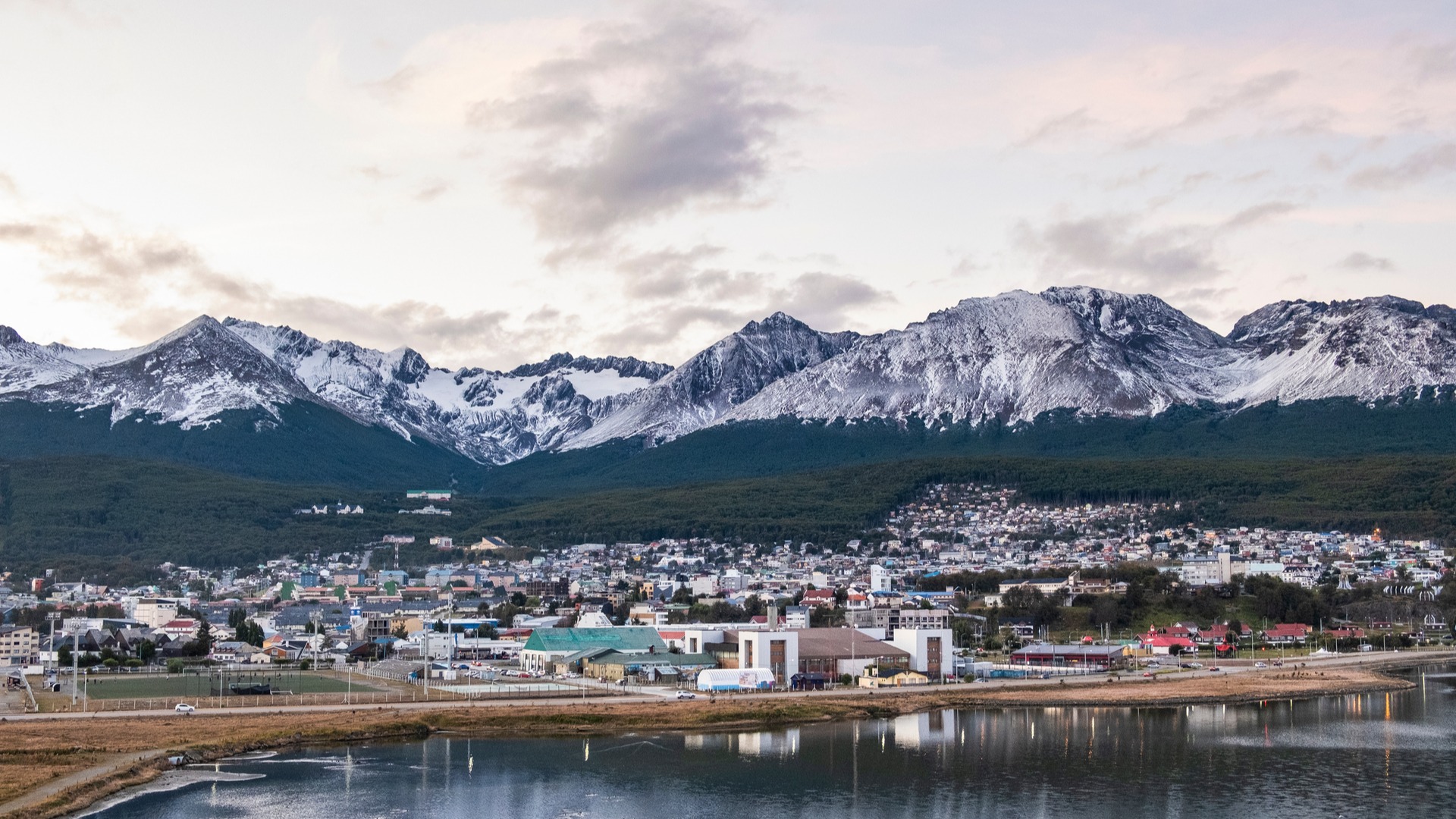
Located at the southern tip of Chile, Puerto Natales unfolds magnificent landscapes between land and sea. On one side lie the Patagonian Andes, while on the other, endless steppes stretch to the horizon.
Surrounded by stunning glaciers and unique ecosystems, it's a city with so much to offer! Set course for Puerto Natales to experience an unforgettable adventure in the land of gauchos, estancia owners and artisanal fishermen.
The History of Puerto Natales
Originally inhabited by the Alakaluf and Tehuelche Amerindians, Puerto Natales was discovered by chance in 1557 by navigator Juan Fernández Ladrillero. While searching for the eastern opening of the Strait of Magellan, this Spanish navigator and explorer landed between Almirante Montt Gulf and Última Esperanza Fjord, on the shores of Señoret Canal.
Located nearly at the extreme south of Chile, in the Region of Magallanes and Chilean Antarctica, Puerto Natales seems difficult to locate on a map. It wasn't until 1830 that the place was discovered again. This became possible thanks to an expedition aboard HMS Beagle, an English frigate commanded by Robert Fitz Roy, carrying the famous English naturalist and paleontologist Charles Darwin on board.
Puerto Natales was the subject of several scientific expeditions thereafter. But the Governor of the region, Manuel Señoret, put an end to these odysseys at the request of explorer Hermann Eberhard in 1893. The governor is said to have authorized German colonization of the area in return.
While the Tehuelche indigenous people lived mainly by fishing, the new colonizers developed cattle and sheep farming. Due to the strategic location Puerto Natales enjoyed, a decree was signed in 1906 to make it a "city."
The city of Puerto Natales was officially founded on May 31, 1911. Its population consisted mainly of Chileans arriving from the island of Chiloé and foreigners of European origin. This cultural diversity helped shape Puerto Natales' identity.
Today, cattle ranching and fishing continue to play a major role in Puerto Natales' economy. But thanks to the proximity of this locality to natural wonders, such as Torres del Paine National Park or the Mylodon Cave, it became a hub of Chilean tourism.
Puerto Natales Today
Puerto Natales, located 247 kilometers northwest of Punta Arenas, possesses the particular charm of a picturesque town nestled at the end of the fjords of Chilean Patagonia. During walks through the town, you'll discover its fishing port, where numerous ferries depart for excursions across the fjords and channels of Patagonia.
Certain neighborhoods have retained their authentic character and weathered the changes brought by mass tourism. The building housing the pizzeria La Mesita Grande (Arturo Prat, central plaza) is the city's oldest.
The town itself, home to 16,000 inhabitants, captivates with its unique atmosphere. With streets dotted with multicolored houses, artisanal shops sitting alongside restaurants and bars, your stroll through Puerto Natales will be memorable. The visit to the historical museum or Chile's most southerly casino will also leave an impression.
This pleasant little town, perched on the shores of Última Esperanza Fjord, is today an essential stop before entering Torres del Paine National Park. Here you'll discover still-wild nature, where snow-capped peaks neighbor pampas, glaciers, fjord labyrinths and a few islands.
Beyond Paine, which brought fame to Chilean Patagonia, the surroundings of Natales offer various perspectives for memorable excursions and trekking.
Why Stop in Puerto Natales?
Puerto Natales, the provincial capital of Última Esperanza, offers all the charm of a provincial town. The Plaza de Armas constitutes its historic center. In the southern part of this plaza, you'll see some of the city's most representative buildings, including the María Auxiliadora parish church, the provincial Government seat and Town Hall.
The Town Hall was housed in a beautiful English-style mansion built at the beginning of the 20th century. For functional reasons, it was relocated northwest of Plaza de Armas. The new building was inaugurated in 2012. The former Town Hall now houses the Natalis Cultural Space.
Southwest of Plaza Mayor, at 285 Manuel Bulnes Street, stands the Municipal Historical Museum, arranged in 5 thematic rooms. Inside the museum is a remarkable collection of objects belonging to civilizations that inhabited the region (Kaweskar, Aonikenk, etc.). Several photographs from the 1930s are also on display.
East of Plaza de Armas lies Pueblito Artesanal Ether Aike, ideal for finding artisanal products made by the region's aboriginal tribes. You'll also find representations of cave paintings and objects crafted from reeds.
Nextto this artisanal village is Calle Philippi. The walls of this street are adorned with beautiful murals depicting the Alakalufs, the Tehuelches and the colonization of Última Esperanza province.
At 1456 Calle Padre Rossa, you'll discover the Salesian Museum Alberto de Agostini, belonging to the Salesian School. It's the best place in town to learn more about the region's flora and fauna.
The Avenue of Four Peoples is another picturesque spot in Puerto Natales to explore. Along this avenue, you'll find drawings of figures recalling the Aboriginal Peoples of Patagonia: the Tehuelches (Aonikenk), Yaganes (Yamanas), the Onas (Selk'nam) and the Alacalufes (Kaweskar). Additionally, this avenue offers panoramic views of the town.
After this rather unique cultural circuit, plan a pleasant walk along the Costanera. It's an opportunity to catch glimpses of the maze of channels, fjords and islands dotting Puerto Natales' western section. At the end of this waterfront sits the town's fishing port. You can watch fishermen preparing to board their colorful lanchas for several months, heading toward the fjords.
This long coastal avenue (also called Avenida Puerto Montt) is dotted with magnificent viewpoints, particularly over the Señoret Canal. This canal surrounds the town and connects Almirante Montt Gulf to Última Esperanza Sound.
Don't miss admiring the endless ballet of boats docking at the jetty, all under the indifferent gaze of black-necked swans. How about finishing the day contemplating magnificent sunsets over the Antonio Varas Peninsula, located across from Puerto Natales?
South of the Costanera spreads the Artisanal Fishermen's Jetty. Here you'll discover fishermen departing at dawn to catch fish and seafood aboard their small traditional boats.
Another jetty, located to the north, will capture your attention. Called "Muelle Braun & Blanchard," this jetty was where boats came to moor at the beginning of the 20th century. Today, only the pilings supporting the bridge have been preserved. Between these two jetties were built other historical gems, such as the Monument to the Wind.
Key Excursions from Puerto Natales
Puerto Natales is the ideal place to set out on adventure and enjoy a variety of outdoor activities, such as kayaking, hiking or cycling.
From Puerto Natales, plan an excursion to Mylodon Cave, the site housing the remains of this prehistoric animal. It's a prehistoric herbivore (ground sloth) over 3 meters tall, which inhabited this austral area of Chile more than 10,000 years ago.
About 5 kilometers north of Puerto Natales is the small commune of Puerto Bories. It houses a large industrial complex built in 1913 by the Sociedad Explotadora Tierra del Fuego. Cold storage rooms, power station, slaughterhouse, boat jetty, luxury hotel and various facilities for processing fat, leather and wool comprise this complex. Today the cold storage rooms and slaughterhouse serve as a museum.
To warm up before heading to Torres del Paine National Park, a hike to Mirador Dorotea, located 11 kilometers from Puerto Natales, is essential. This viewpoint is accessible via Route 9 South. Allow at least an hour to reach Cerro Dorotea, a hill rising to 800 meters altitude.
Your ascent to the summit of Mirador will be rewarded with impressive viewpoints, starting with the town itself. From this summit, you'll also gaze in wonder at Última Esperanza, Serrano Glacier, Almirante Montt Gulf, Antonio Varas Peninsula, the steppes bordering the commune and the channels. And as you enjoy the view, condors soar majestically above the peak.
Torres del Paine park concentrates the most fascinating landscapes of all Chilean Patagonia. Puerto Natales is the gateway providing access to this park, considered one of the most beautiful on the American continent.
Rising 2,000 meters above the Patagonian steppe, the Torres (meaning "Towers of Paine") harbor exceptional Andean fauna such as rheas, condors and guanacos. This park's 181,000 hectares also feature several exceptional landscapes. While lush, rocky valleys stretch endlessly, glaciers descend into lakes with crystal-clear waters.
For those preferring boat excursions, traveling along Patagonia's channels from Puerto Natales is among the most popular. The excursion begins at Última Esperanza Fjord and ends at Balmaceda Glacier. After the effort comes the reward! Taste the delights of Patagonian cuisine, then relax at hotels scattered along the way.
The Climate
The climate in Puerto Natales is similar to that of Punta Arenas, or to Patagonia in general. In summer, the climate is mild, with temperatures ranging between 6 and 18°C. In winter, they range between -3 and -6°C. Dominant westerly winds can arrive suddenly and violently. At the height of summer, the day can last around 18 hours, and conversely in winter (throughout the night).
Maritime Route
There is a ferry connecting the two Chilean cities of Puerto Montt and Puerto Natales. The journey lasts 4 days and 3 nights.
Air Route
Puerto Natales is served by a small airport located about ten kilometers north of the town. Flights depart from Punta Arenas, El Calafate and Río Gallegos (in Argentina), Santiago, Chile or Puerto Montt (Chile).
Travelers coming from Santiago or other Chilean cities will need to take a flight to Presidente Carlos Ibáñez del Campo Airport serving the city of Punta Arenas, located 247 kilometers south of Puerto Natales.
Land Routes
By Car
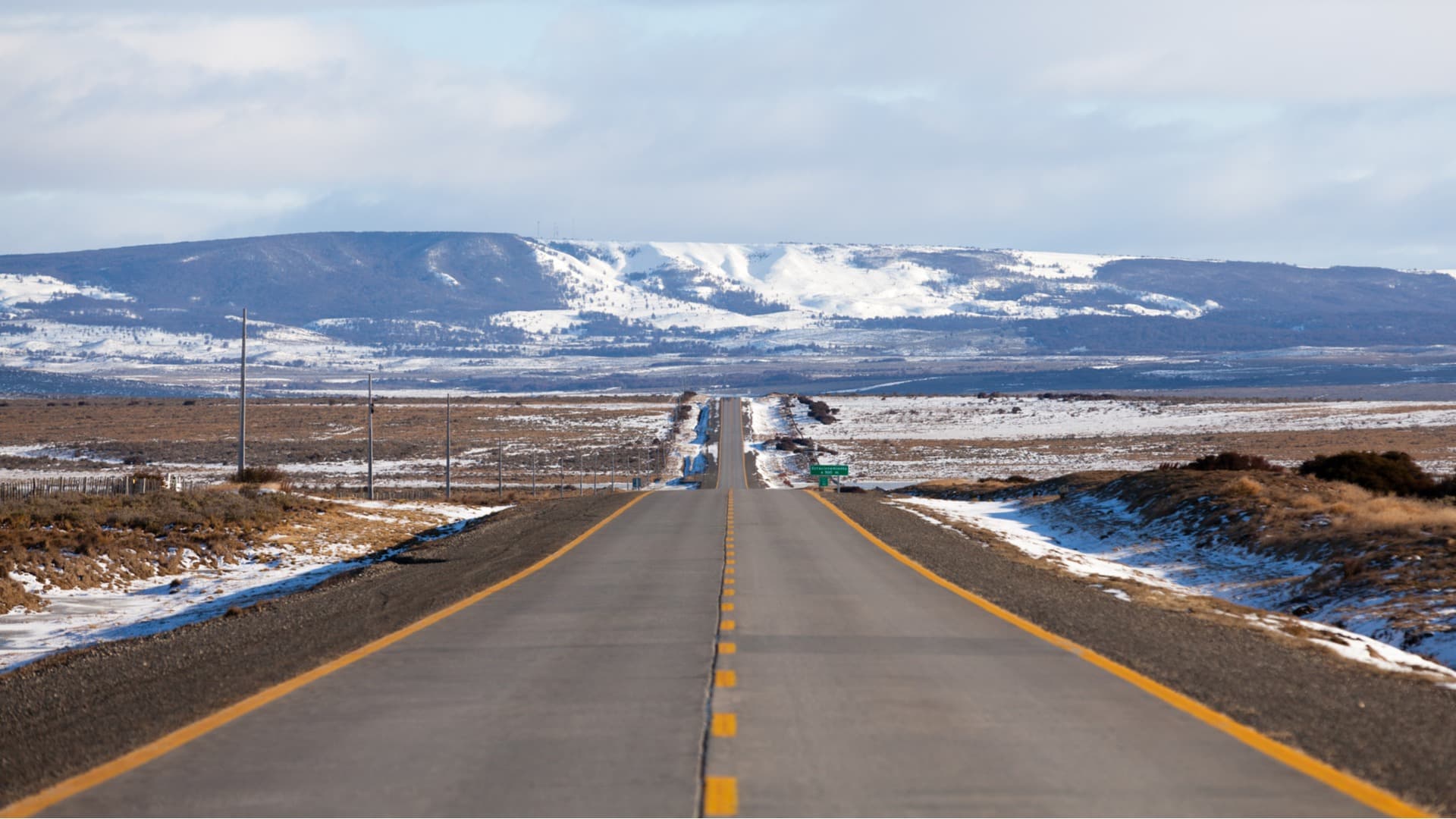
You arrive via Route 9 North, which connects Punta Arenas to Puerto Natales. These two cities are separated by 247 km. Another possible alternative is to cross border posts with Argentina.
By Bus
To reach Puerto Natales from Punta Arenas, take a bus for the approximately 3-hour journey. Other cities allow you to reach Puerto Natales by bus, such as Ushuaia in Argentina. However, you must make a stop in Punta Arenas.
Conversely, reaching Puerto Natales from Río Gallegos, on Argentina's east coast, is easier. Bus companies offer direct service for 10,000 Pesos and 4 hours of travel time. El Calafate in Argentina also allows you to reach Puerto Natales directly in 5 hours of travel, for 15,000 Pesos.
Attractions in Puerto Natales
See all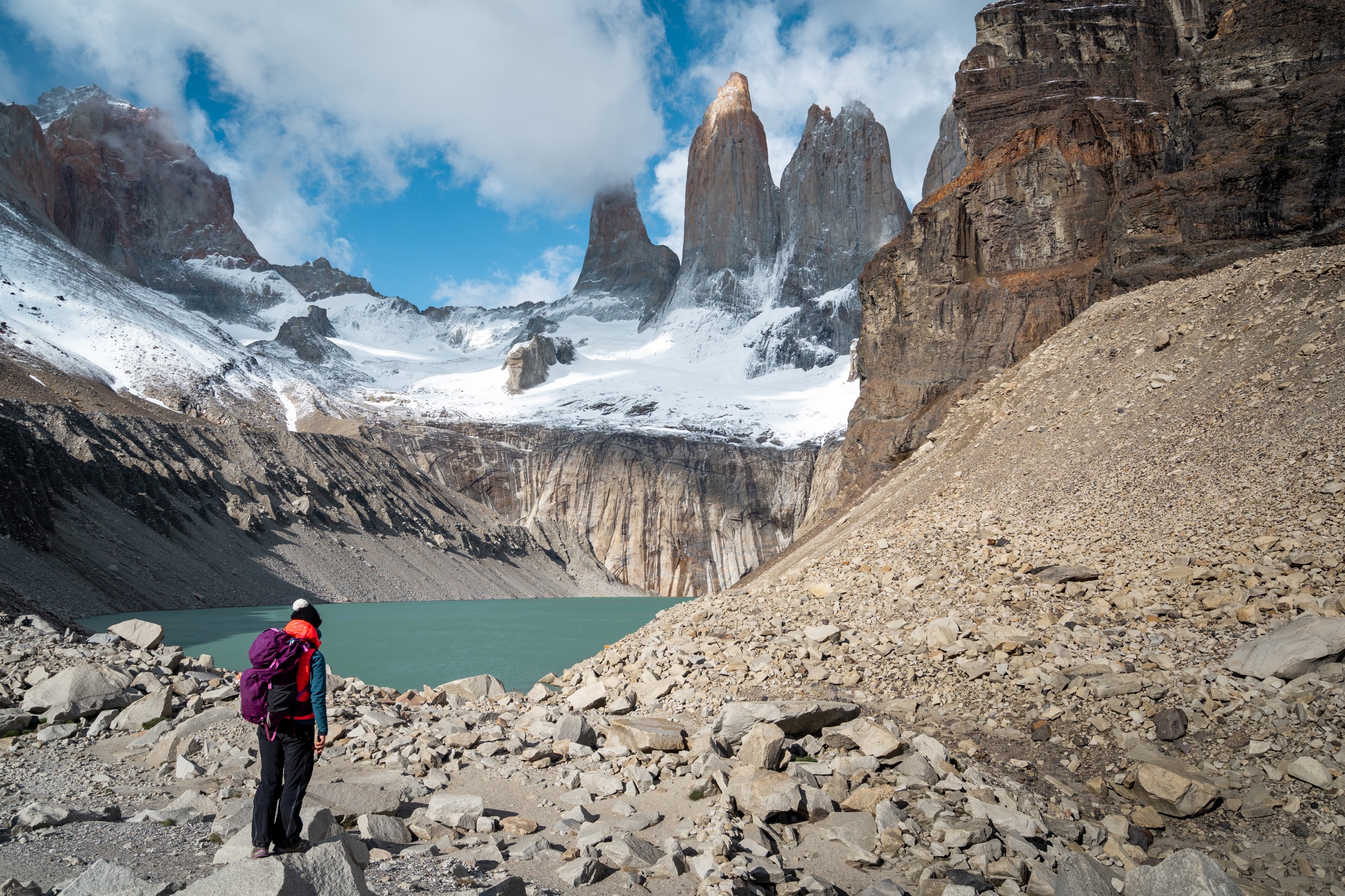
Mirador Las Torres
Belvédère face aux trois tours de granit du parc Torres del Paine, accessible par une randonnée d'une journée à travers la vallée de l'Ascencio.
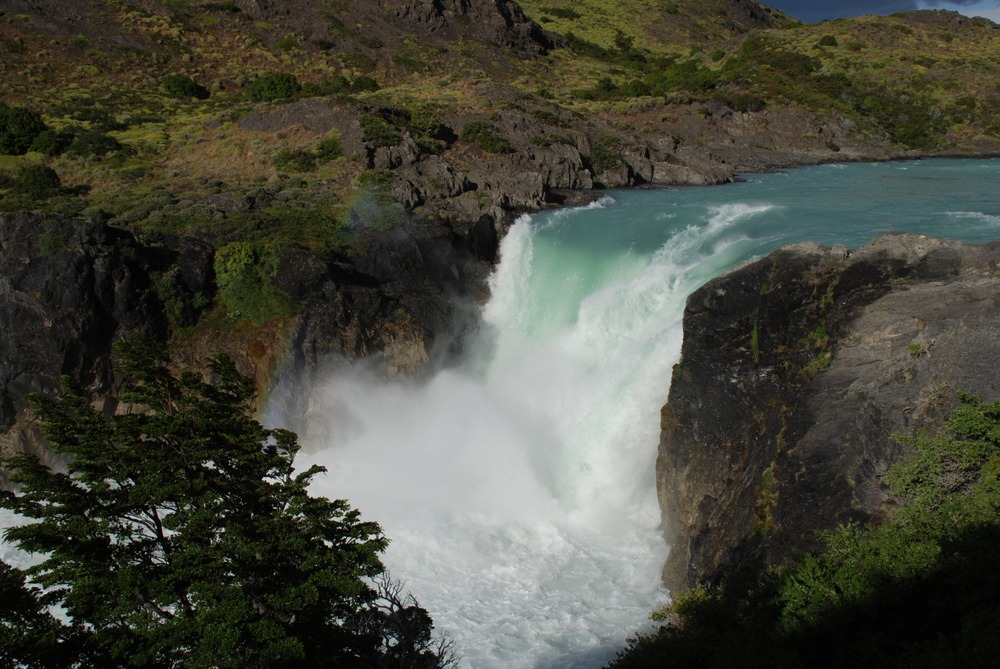
Salto Grande
Cascade de 65 m sur le río Paine, entre les lacs Nordenskjöld et Pehoé, Salto Grande est l'un des sites les plus accessibles du parc Torres del Paine.
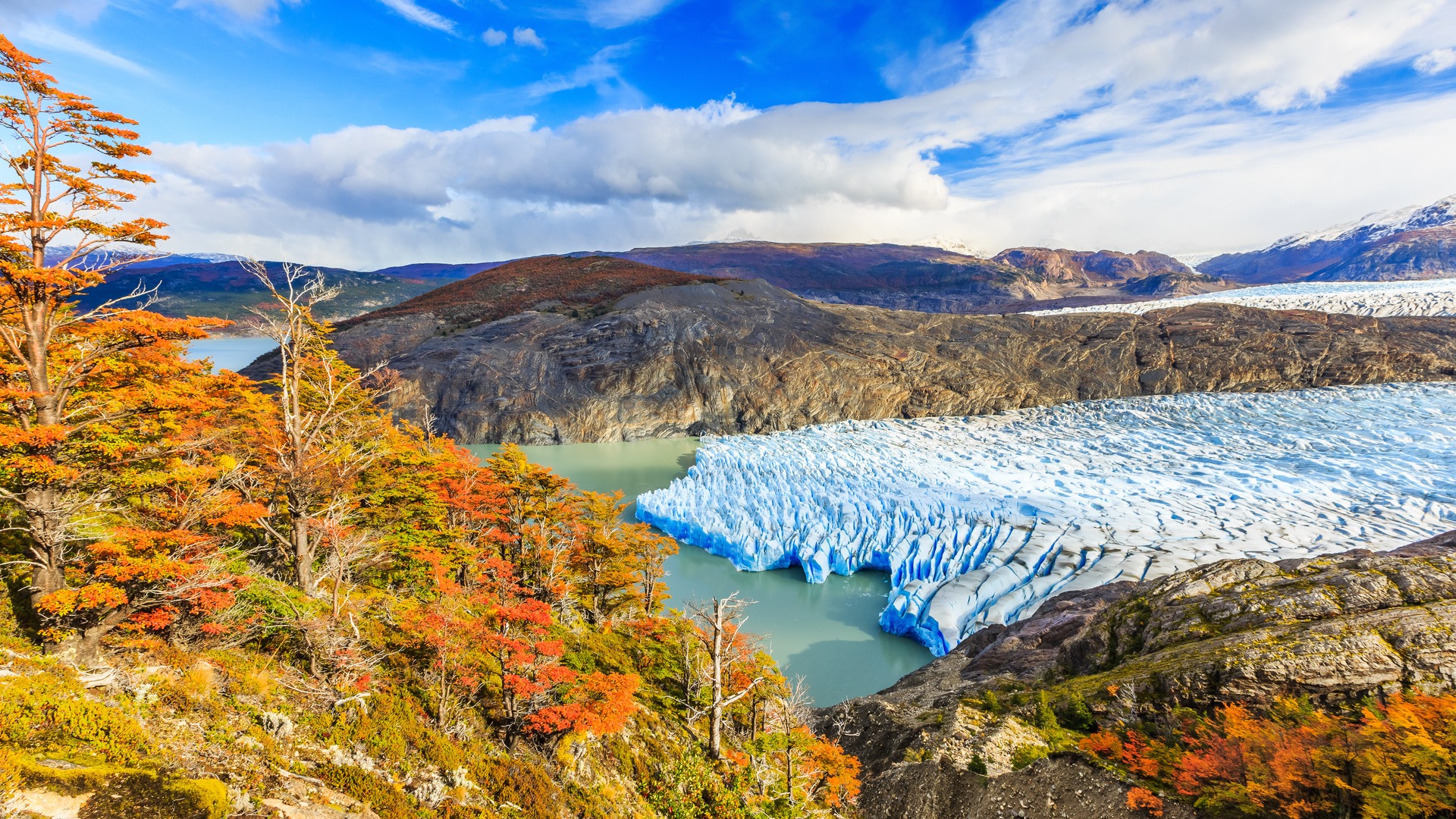
Glacier Grey
Front glaciaire de 6 km à l'ouest du parc Torres del Paine, le glacier Grey s'explore en bateau, à pied ou en randonnée sur glace depuis Puerto Natales.
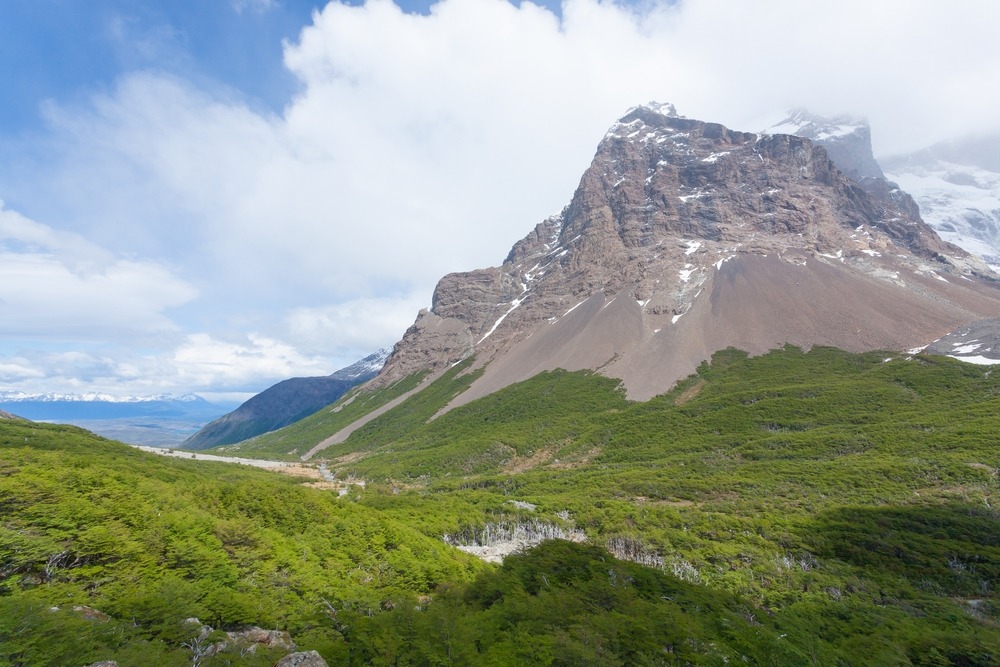
La Vallée del Francés
Branche centrale du trek W dans le parc Torres del Paine, la Vallée del Francés relie le glacier suspendu du Paine Grande au mirador Británico.
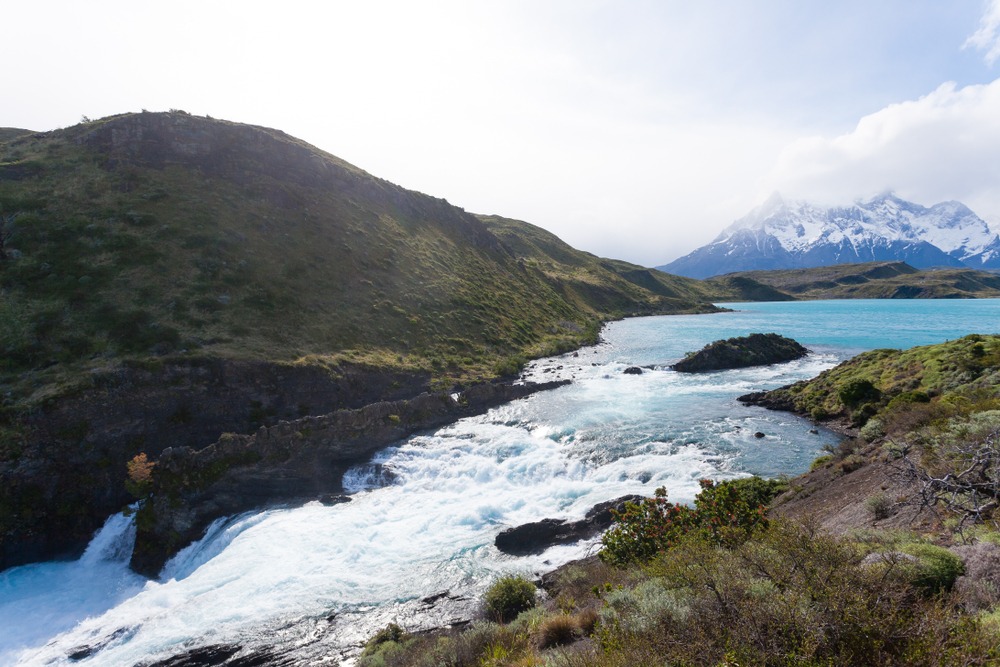
Salto Chico
Cascade du parc Torres del Paine reliant les lacs Nordenskjöld et Pehoé, accessible depuis Puerto Natales et l'hôtel Explora Patagonia.
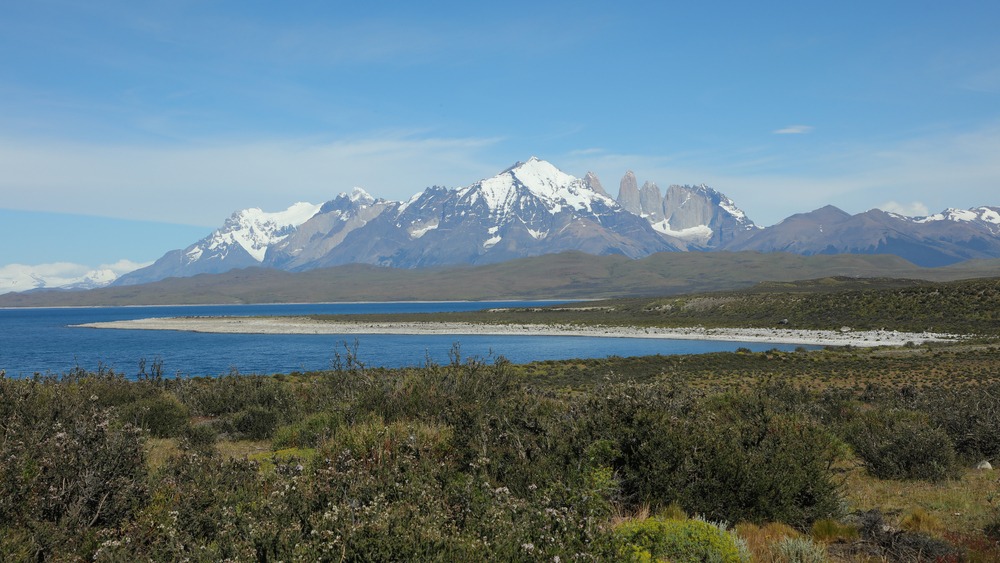
Lac Sarmiento
Au cœur du parc Torres del Paine, le lac Sarmiento abrite des thrombolites, fossiles vivants formés depuis 10 000 ans. Guide d'accès depuis Puerto Natales.
Want to discover this destination?
Our local advisors design your tailor-made trip.