Our guide to wildlife to see in Patagonia
Patagonia is undoubtedly one of the world's most stunning regions, with its imposing glaciers, sheer peaks, forests, plains, and seas that border it on both sides.
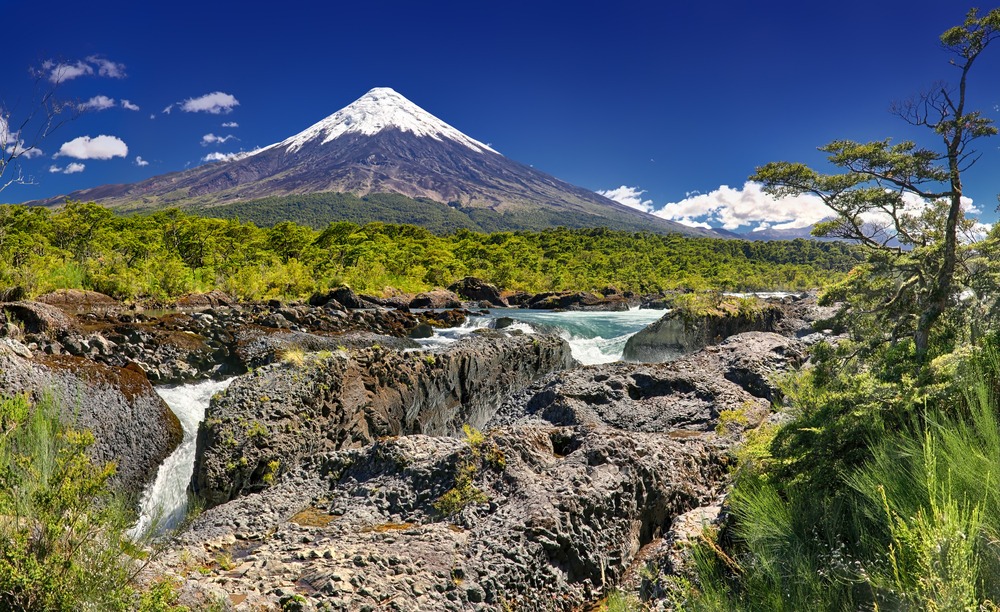
Patagonia is undoubtedly one of the world's most stunning regions, with its imposing glaciers, sheer peaks, forests, plains, and seas that border it on both sides. A dream destination for globe-trotters, this "end of the world" is perfect for enjoying nature, trekking, horseback riding, navigating fjords, and much more. Most importantly, if you have the chance to travel to Patagonia, bring a good pair of binoculars. This southern land welcomes a remarkable diversity of animals, ranging from the most surprising birds to the world's largest whales. Here's an overview of the finest species to watch for in Patagonia.
The deep blue: marine wildlife
Patagonia, nestled between the Pacific Ocean and the Atlantic, just across from Antarctica, harbors within its waters some of the world's most spectacular species—those that capture the imagination of children and travelers alike. From the greatest whales to vast penguin colonies, Patagonia's marine fauna is among the world's most remarkable, and alone justifies a journey to Patagonia. Head to the Valdes Peninsula and Tierra del Fuego to observe, among others, these animals:
Whales
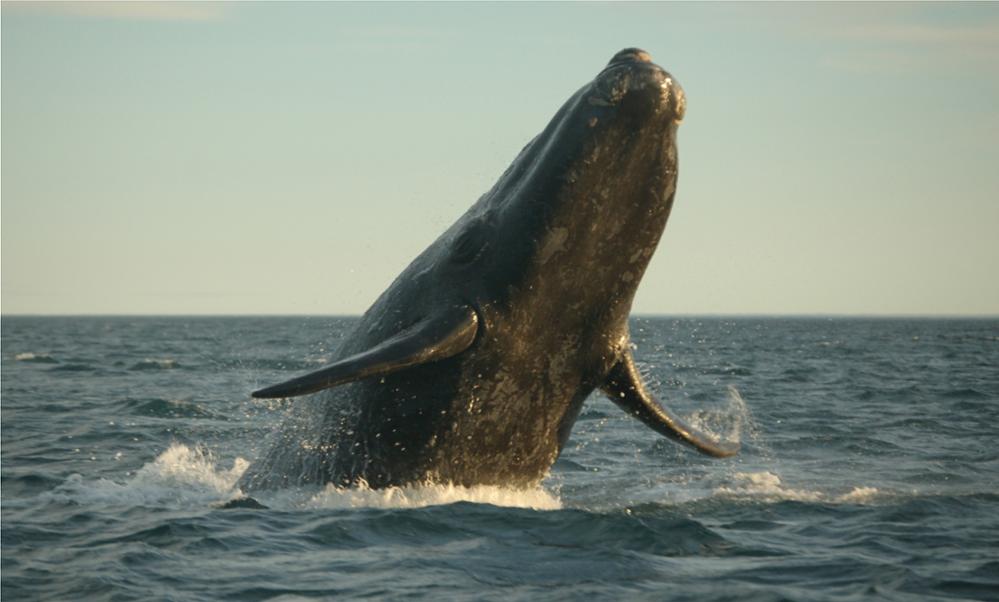
With its cold, even glacial waters, Patagonia attracts numerous whales, including the largest in the world. Notable species include the blue whale, orca, humpback whale, and southern right whale. Humpback whales are found in the Strait of Magellan and Chilean fjords. Orcas appear near the Valdes Peninsula in September, then again in March and April to hunt newborn sea lions, while southern right whales pass through between June and December during migration.
Penguins
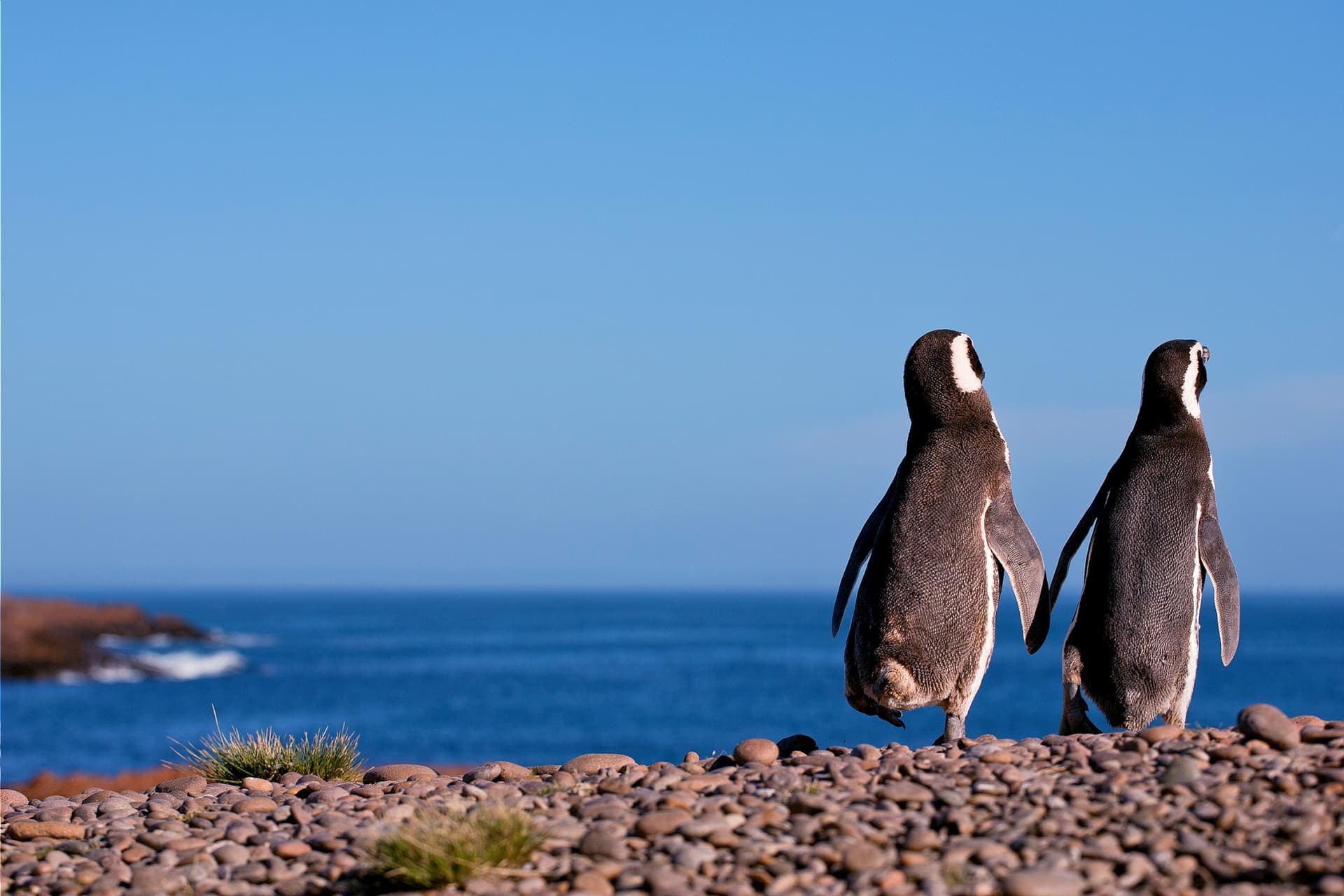
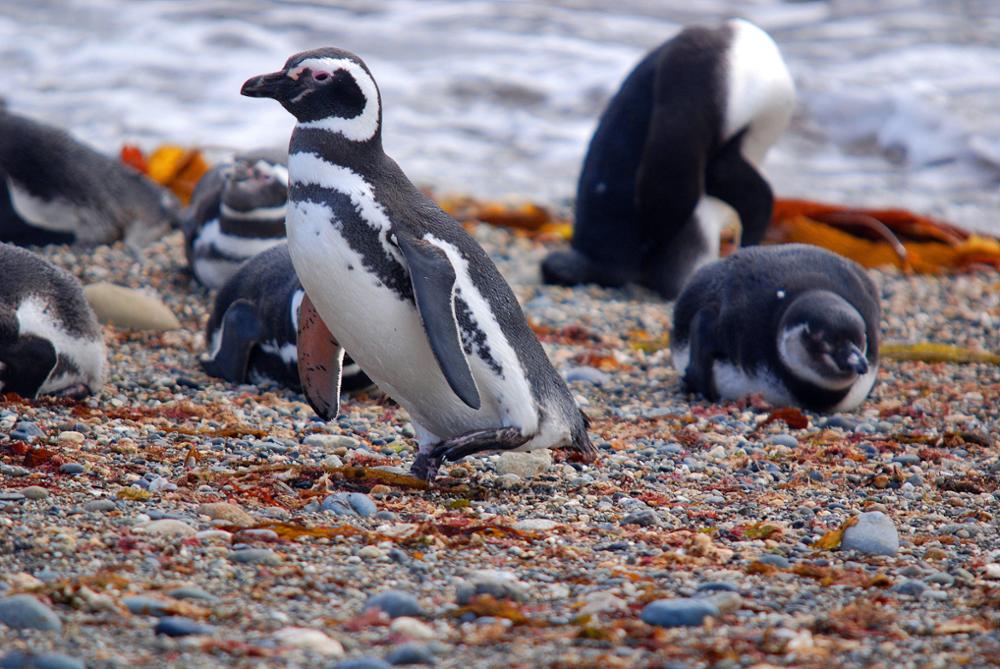
Patagonia, particularly Tierra del Fuego, is known worldwide for its vast penguin colonies. It's the only place outside Antarctica where you can admire Emperor penguins. But the most iconic species of this region is undoubtedly the Magellanic penguin, found in large numbers at several Patagonian locations. Take advantage of a stay in Ushuaia to walk among penguin colonies.
Dolphins
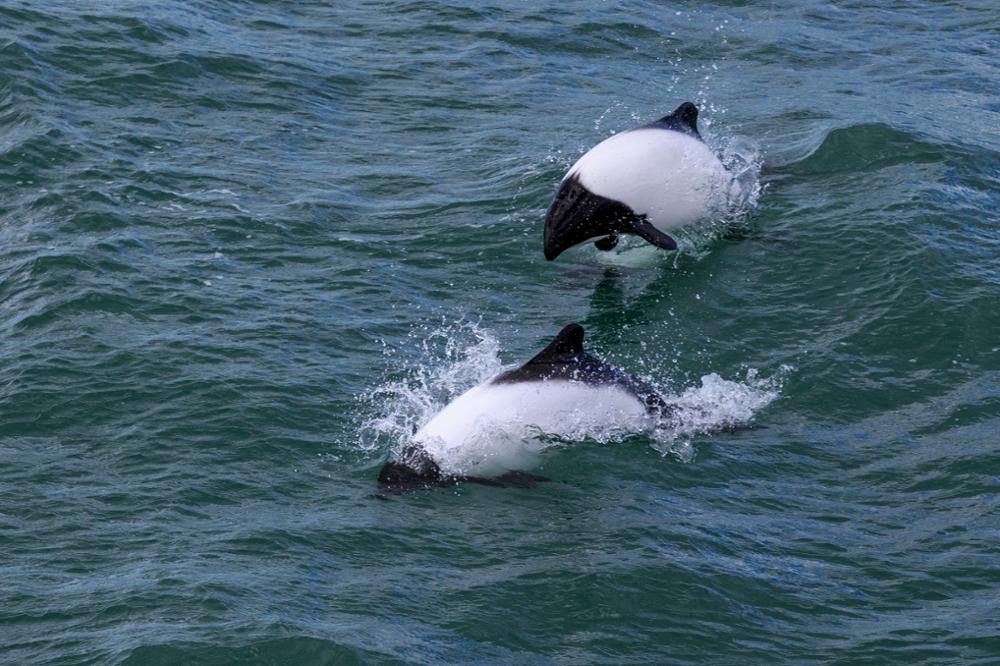
Patagonian waters are home to numerous dolphin species. One of the most interesting to observe is the dusky dolphin, known for its beautiful acrobatic displays. But perhaps the most striking is the Commerson's dolphin, which looks unlike a typical dolphin. These creatures are black and white and love to leap near boats. They were discovered by French explorer Philibert Commerson in 1767 in the Strait of Magellan.
Southern Elephant Seals
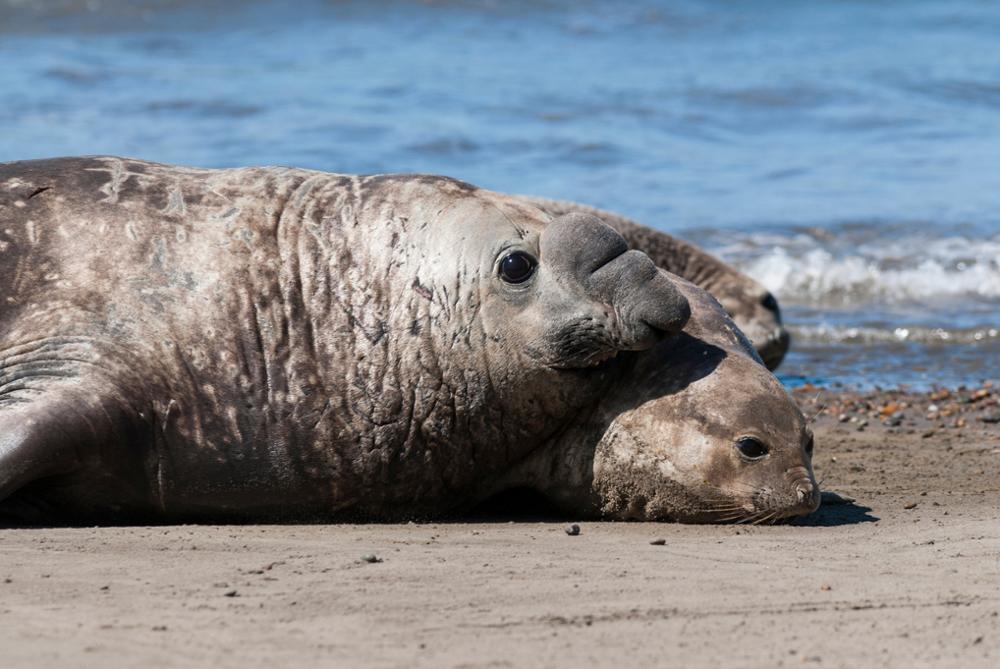
Tierra del Fuego and the Valdes Peninsula are also home to colonies of elephant seals. Larger than its northern cousin, the southern elephant seal can weigh up to 3.7 tonnes. This massive animal is easily recognized by its trunk-like nostrils (which gave it its name), particularly striking when it roars.
Sea Lions
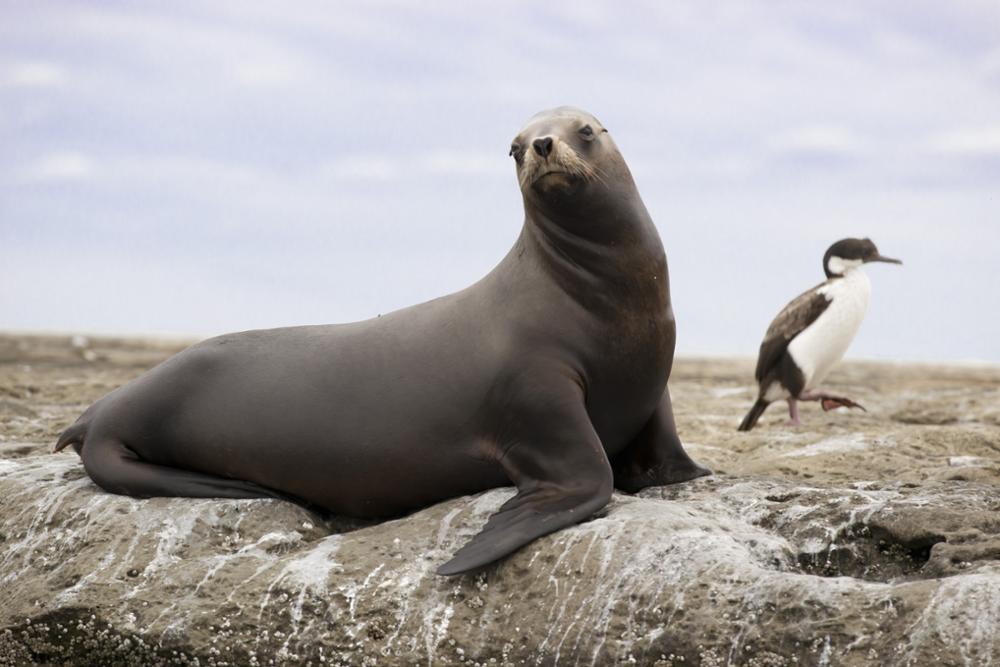
Sea lions come to Patagonia to breed from December onwards. They are particularly abundant near the Lighthouse of the Eclaireurs in Tierra del Fuego, just beside the charming town of Ushuaia. You'll need to take a boat excursion to observe them, proud and playful on their rocks.
On terra firma: Andean wildlife
The interior of Patagonia is no less rich in magnificent species, many of which are endemic to the Andes. With its wide diversity of ecosystems, Patagonia is a refuge for numerous animals to admire during your treks. Here are some of them:
The Puma
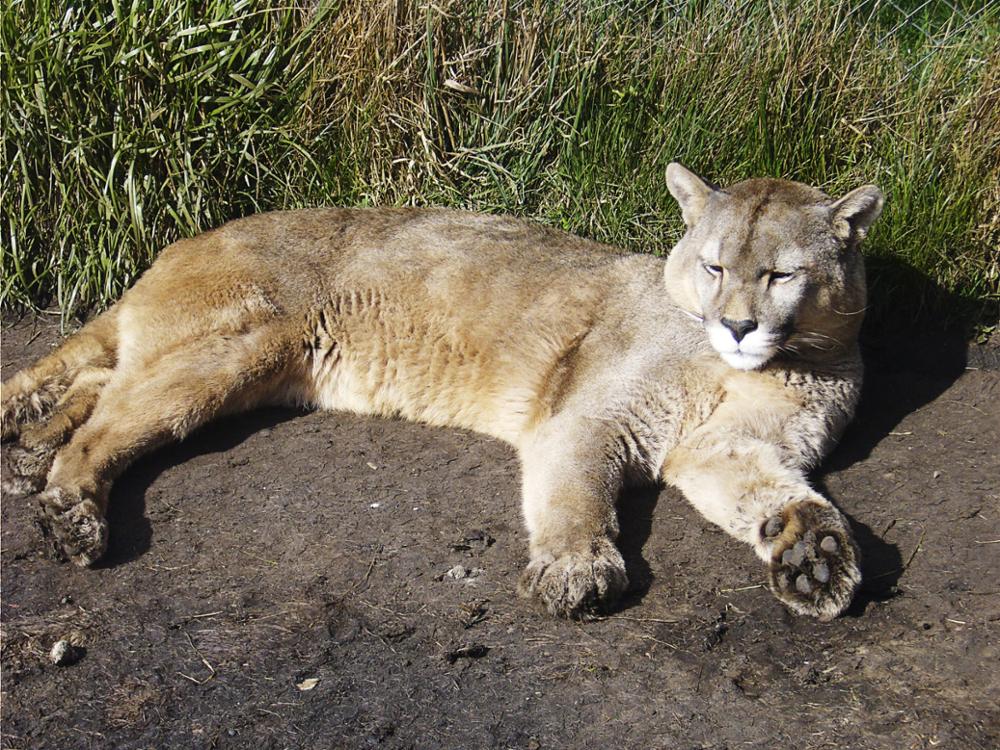
The Patagonian puma is the most emblematic animal of its mountains and valleys. This large cat feeds mainly on birds and guanacos (small local llamas). It is the largest mammal in Patagonia. This animal was nearly extinct, but conservation efforts have saved it. It is notably found in the Torres del Paine National Park; and it is there you should go to observe the other animals typical of Patagonia.
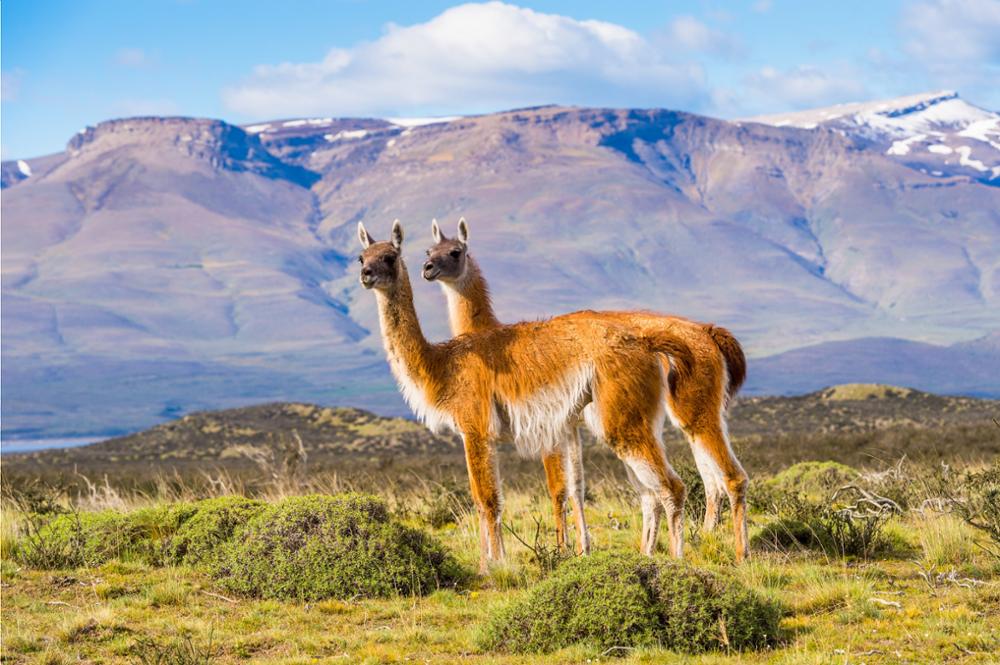
The Guanaco
These llama cousins are found throughout Patagonia, and you'll have many opportunities to see them during your journey. They are more numerous and less fearful in Tierra del Fuego, protected from their predator the puma. But they are also found in Torres del Paine and other areas with Patagonia's desert-like landscapes. Guanacos are not afraid of cold and travel in large herds.
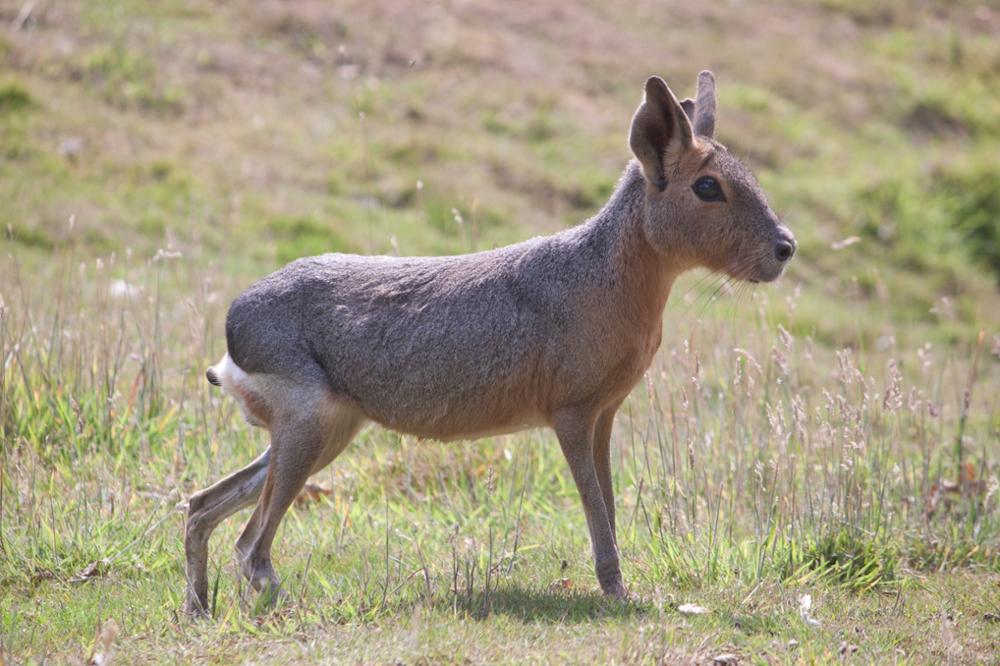
The Mara
The mara is one of the world's largest rodents. As an adult, it weighs up to 9 kg and reaches approximately 70 cm in length. It is endemic to Argentina and is one of the most widespread species in Patagonia. In September or October, you may have the chance to see babies. Sadly, this species is threatened with extinction.
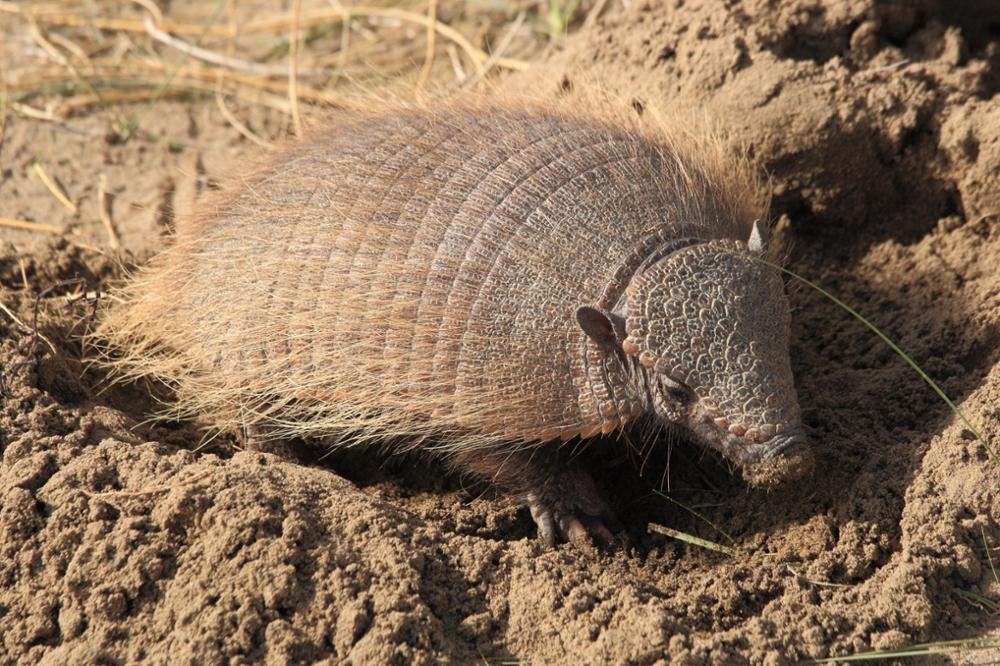
The Armadillo
Living near the lakes of Torres del Paine, the Patagonian armadillo is slightly furry and impressively sized, weighing around 7 kg. It digs very deep burrows. Its name translates from Spanish as "the little armored one," referring to its curious shell-like carapace. The Argentine armadillo is particularly large and flat, while its "dwarf" cousin, also found in Patagonia, is small. The latter is notably the only species that hibernates.
Look up: Patagonian birds
A land of migrations, Patagonia also welcomes numerous birds across its lands and skies. The most well-known include:
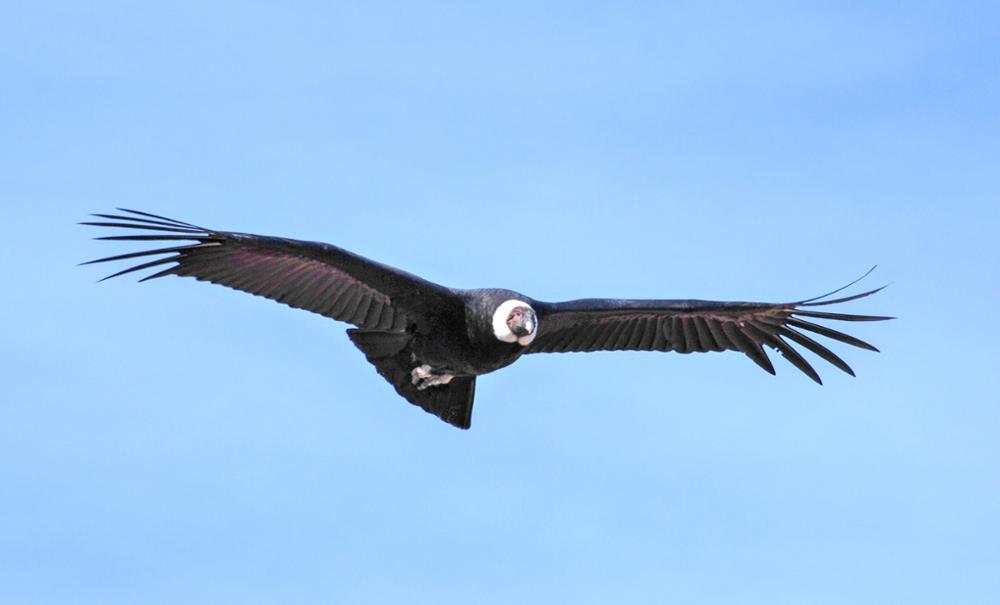
The Condor
The great Patagonian condor is the world's largest flying terrestrial bird. This raptor boasts an impressive wingspan of up to 3.50 meters. This majestic vulture, black in color, is easily distinguished by its distinctive white plumage collar around its neck. It feeds on carcasses, preferring the largest ones, such as those of deer or guanacos. Condors live at high altitudes, between approximately 3,000 and 5,000 meters. Thanks to their large wings and air currents, they can fly even higher, reaching altitudes of 6,000 meters. The indigenous peoples of South America believed it carried souls to the heavens. To take off, it needs to run for several meters—and it's precisely because of its impressive size that it prefers life in Patagonia, the land of winds...
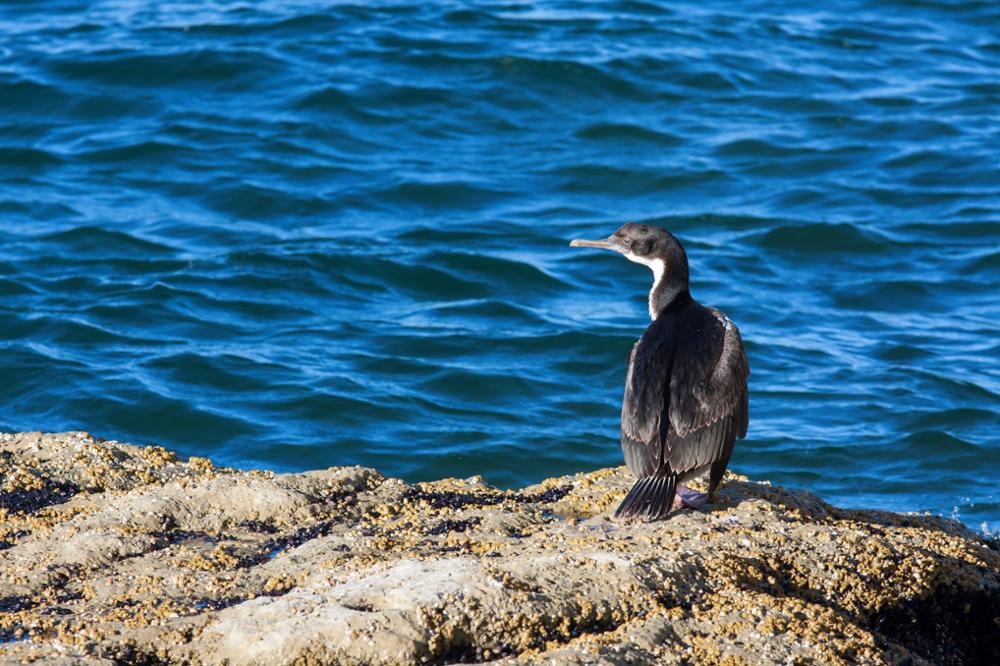
The Albatross
Tierra del Fuego is home to large colonies of black-browed albatross. This threatened species is very common in southern Patagonia. This marine albatross measures between 2 and 2.5 meters in wingspan and weighs between 3 and 5 kg.
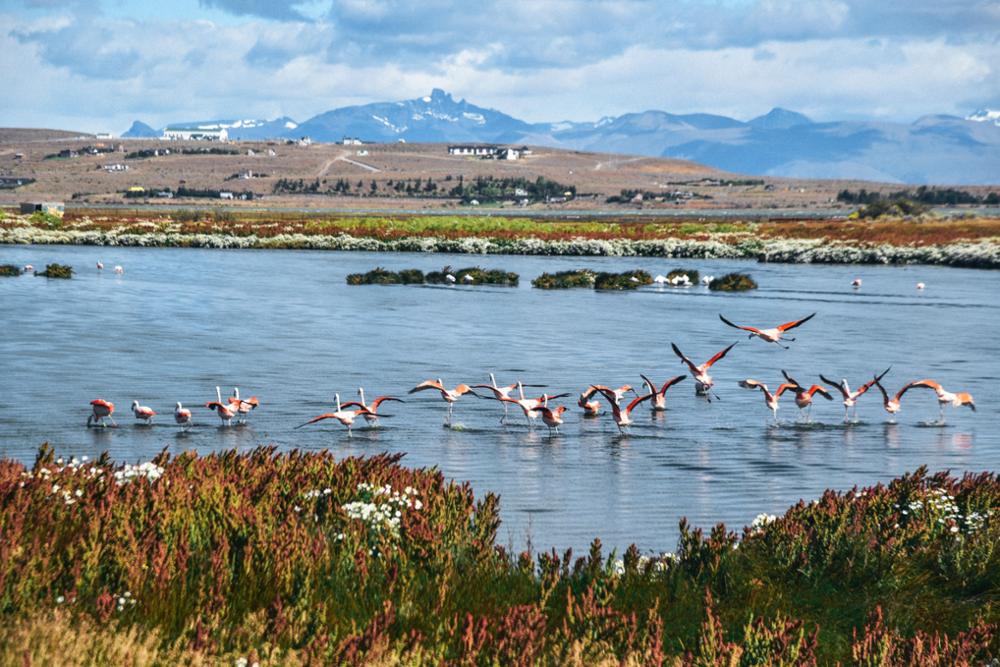
The Chilean Flamingo
Standing between 110 and 130 cm tall, the Chilean flamingo displays a lovely pink hue. It has long gray legs and pink joints, which make it easy to distinguish from other flamingo species. You'll find them in large flocks in areas of lakes and wetlands.
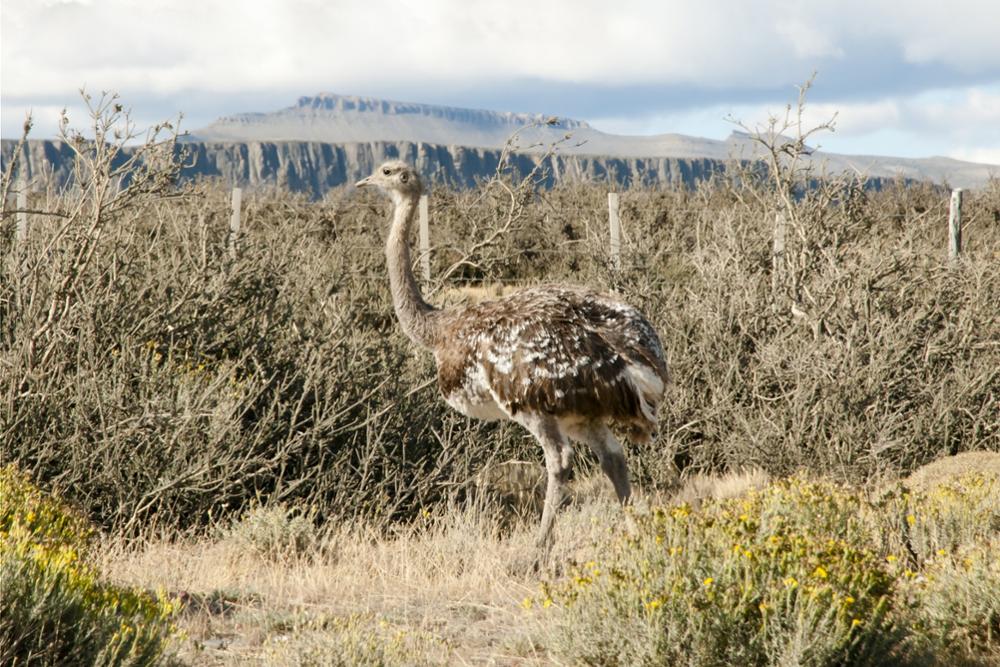
Darwin's Rhea
A cousin of the ostrich, Darwin's rhea takes its name from the great naturalist Charles Darwin, who discovered it during his voyage on the HMS Beagle. It stands just under 100 cm tall and weighs between 15 and 25 kg. This rhea can run at speeds up to 60 km/h. You can see it notably along the roads of Torres del Paine National Park.
Frequently asked questions
Patagonia is home to exceptionally rich fauna: at sea, you can observe whales (blue, humpback, southern right), orcas, Magellanic penguins, Commerson's dolphins, and elephant seals. On land, pumas, guanacos, maras, and armadillos inhabit national parks. In the skies, the condor, albatross, Chilean flamingo, and Darwin's rhea are among the most emblematic birds.
The ideal period varies by species. Southern right whales are present from June to December. Orcas hunt near the Valdes Peninsula in September, March, and April. Sea lions breed from December onward. Austral spring (September-November) is generally the best season for observing the maximum number of species.
Magellanic penguins are found in large numbers at several Patagonian locations, particularly in Tierra del Fuego around Ushuaia. It's possible to walk among the colonies during organized excursions. The Valdes Peninsula in Argentina is also a renowned site for penguin watching.
Yes, the puma is the most emblematic terrestrial animal of Patagonia. The best place to attempt sighting one is Torres del Paine National Park in Chile. Specialized 'puma tracking' excursions help increase your chances of an encounter, though observation always depends on luck.
The Commerson's dolphin is a unique species, black and white in color, discovered in 1767 in the Strait of Magellan by French explorer Philibert Commerson. Unlike the typical dolphin, its appearance is very distinctive. It loves to swim near boats and leap out of the water, making it a particularly appreciated species during Patagonian nautical excursions.
The Andean condor is the world's largest flying terrestrial bird, with a wingspan that can reach 3.50 meters. It lives at high altitudes, between 3,000 and 5,000 meters, and can rise up to 6,000 meters thanks to thermal currents. You can observe it notably in Torres del Paine National Park.