Patagonia's Most Beautiful National Parks
Land at the end of the world, Patagonia captivates travelers seeking adventure, raw wilderness, and untamed nature.
Land at the end of the world, Patagonia captivates travelers seeking adventure, raw wilderness, and untamed nature. It is one of the least populated places on Earth, and therefore among the most pristine: here, the landscapes are nothing short of spectacular, promising complete immersion in nature. Meeting Patagonia's wildlife, a journey to this corner of the world unfolds between fjords and cliffs, forests and steppes, mountains and volcanoes. Here is our selection of the most stunning national parks to explore in Patagonia.
Tierra del Fuego
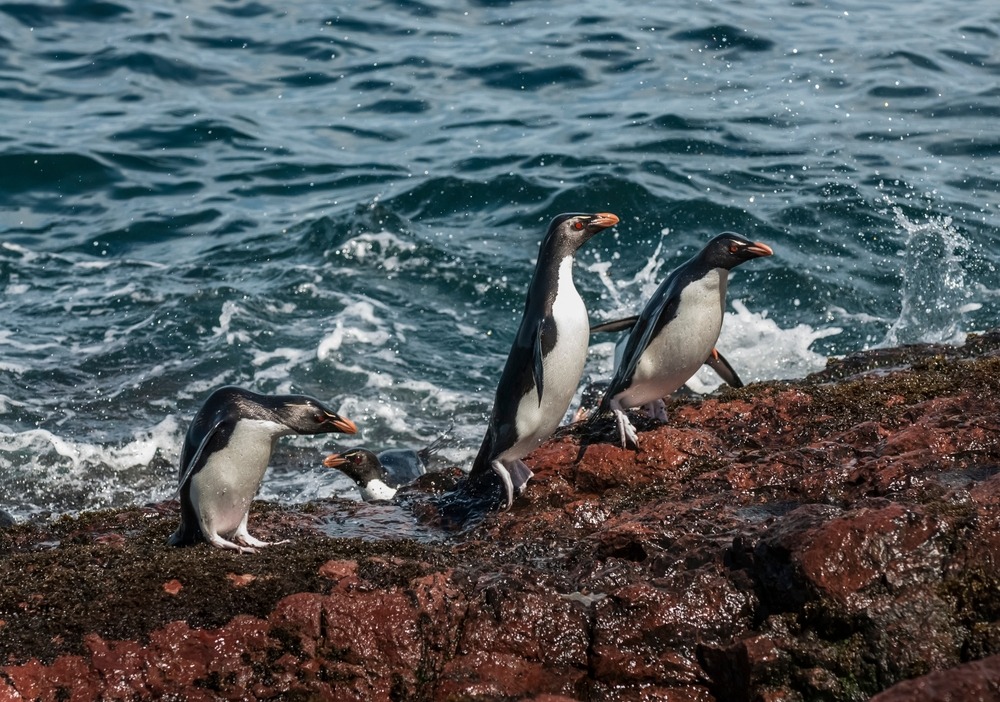
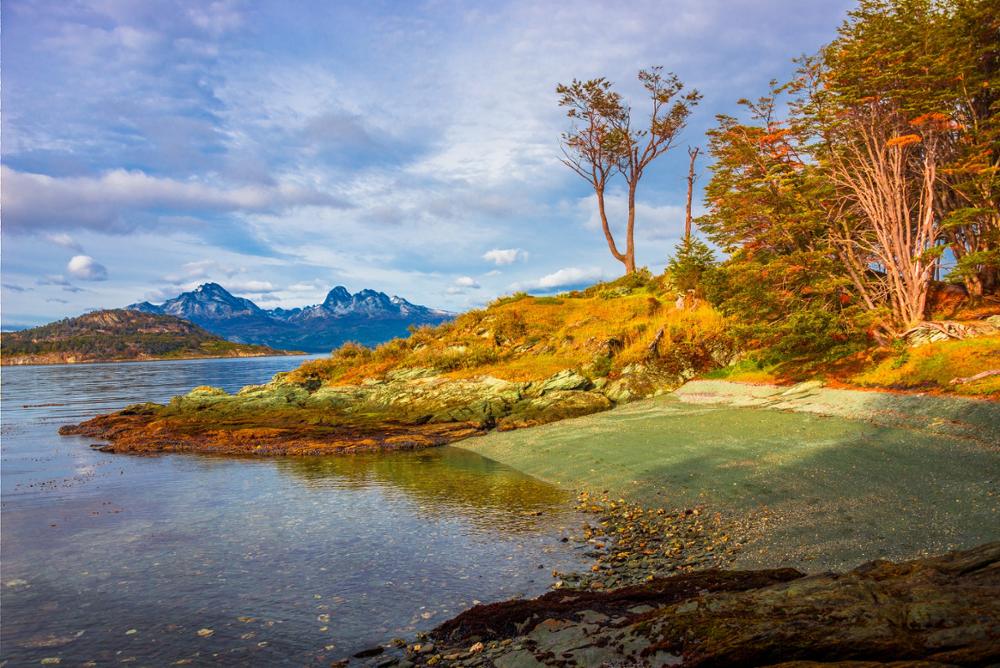
Located on the Tierra del Fuego archipelago, just 12 km from the legendary city of Ushuaia, Tierra del Fuego National Park in Argentina is a true gateway to a sub-Antarctic ecosystem rarely seen elsewhere. At the edge of the world, the park spans 63,000 hectares, yet only 3% of the park is open to the public. Serving primarily as a nature reserve, it protects a unique mountainous, glacial, and austere landscape where forests and waterfalls unfold in spectacular hues. In Tierra del Fuego, you may encounter whales, seals, sea lions, penguins, Magellanic foxes, and guanacos. Near Ushuaia, the world's southernmost city, you can embark on hikes through the park and along the Beagle Channel. For an unforgettable experience, reach it by the End of the World Train!
Los Glaciares
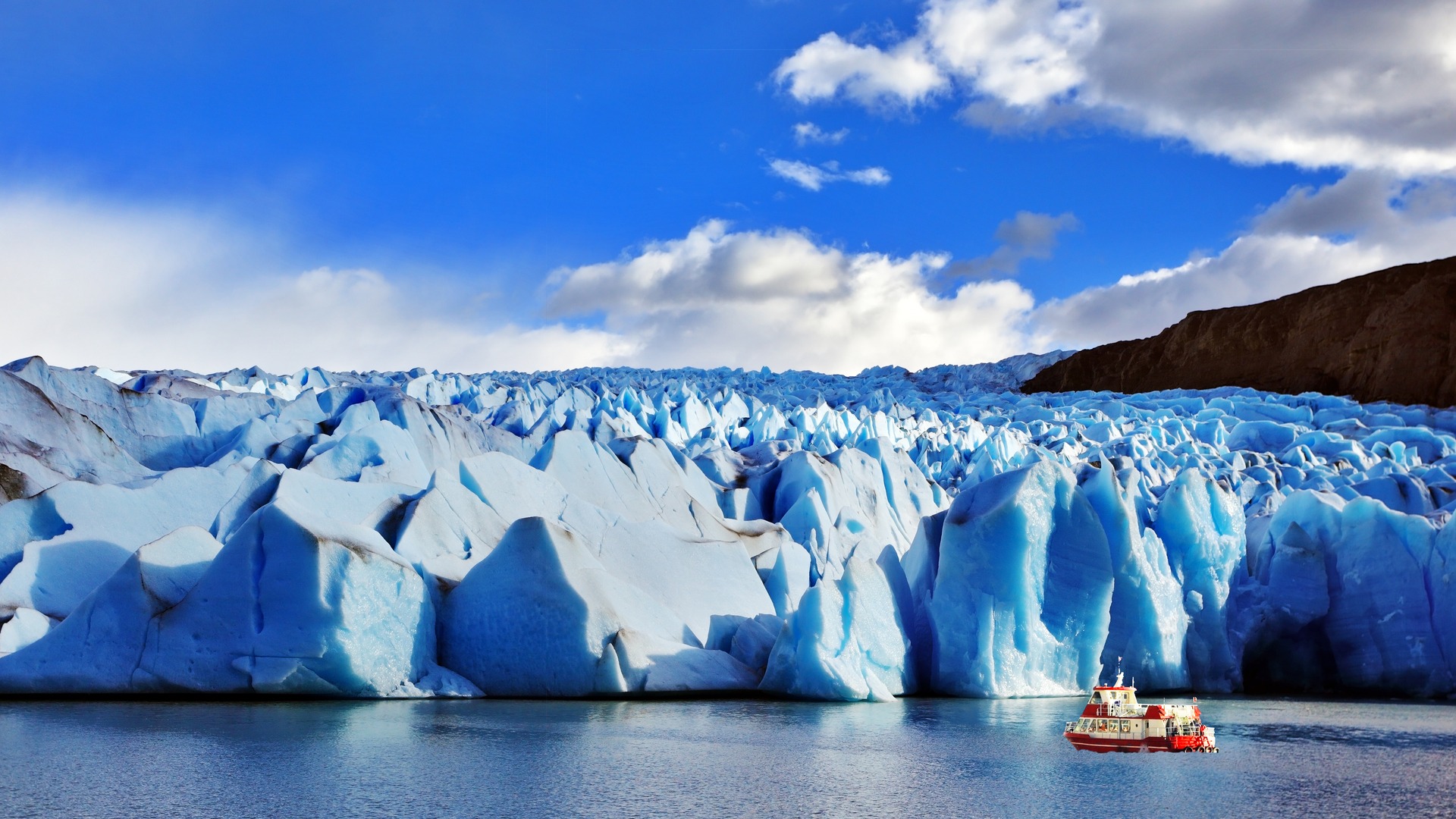
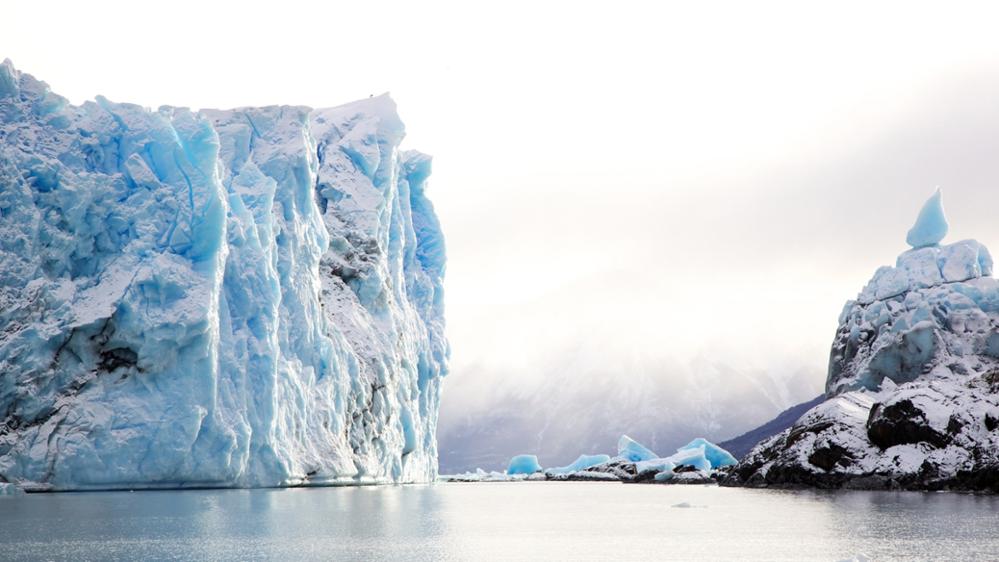
Still on Argentina's side of Patagonia, this vast national park is the country's largest nature reserve. As its name suggests, Los Glaciares National Park is home to countless glaciers that form Patagonia's Southern Patagonian Ice Field. Listed as a UNESCO World Heritage Site, it offers majestic landscapes: the immense emerald-blue Lago Argentino fed by the Perito Moreno Glacier, where you can encounter icebergs by boat; the steep summit of Fitz Roy coveted by mountaineers worldwide; or the imposing peak of Cerro Torre.
Torres del Paine
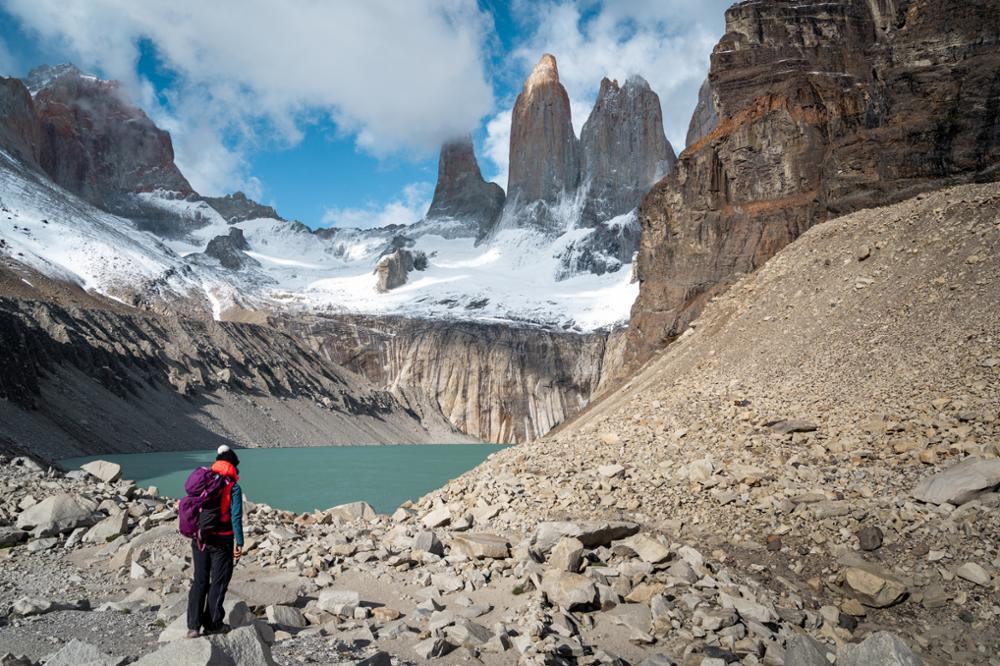
Torres del Paine National Park is undoubtedly one of the world's finest nature reserves. A trekker's paradise, this Chilean park has even been named the eighth wonder of the world. Spanning Patagonian steppe, Andean desert, Magellanic forest, and pre-Andean scrub, this park invites you to discover mountains, waterfalls, icebergs, glaciers, and lakes in a breathtaking natural setting. Among the park's most renowned attractions are Lago Grey and the Grey Glacier looming above it, the Torres del Paine and Cuernos del Paine peaks, Lago Pehoé, and the Salto Grande waterfall. You may spot condors, guanacos, and rheas, among others. This is where you can complete the famous "W Circuit", one of the world's most popular hiking routes.
Pumalin
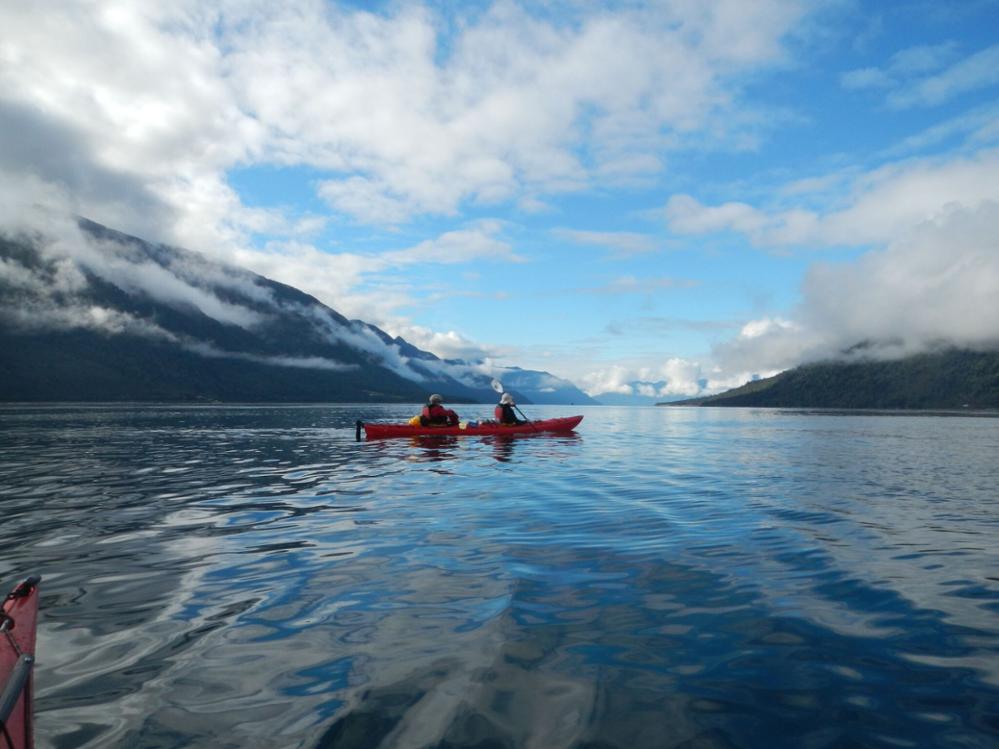
Pumalin Park in Chile is among the region's most pristine parks, and South America's largest nature reserve. Born from Douglas Tompkins' conservation efforts and his partner, who progressively purchased land in Chile to protect its wildlife and flora, Pumalin Park harbors landscapes unparalleled anywhere. Its volcanoes and fjords mingle with a Valdivian forest of ancient Alerce trees nearing extinction, some over 3,000 years old. This truly exceptional landscape allows for adventure and encounters with dolphins, sea lions, whales, mountain monkeys, pumas, foxes, and more. A journey to Pumalin Park is unquestionably one of the most extraordinary experiences of a lifetime!
Vicente Perez Rosales
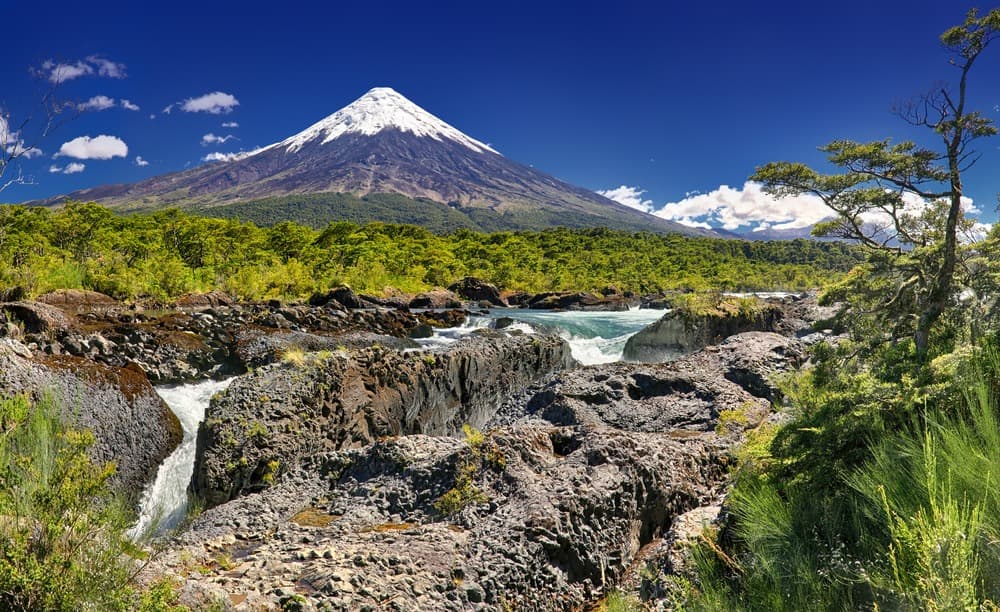
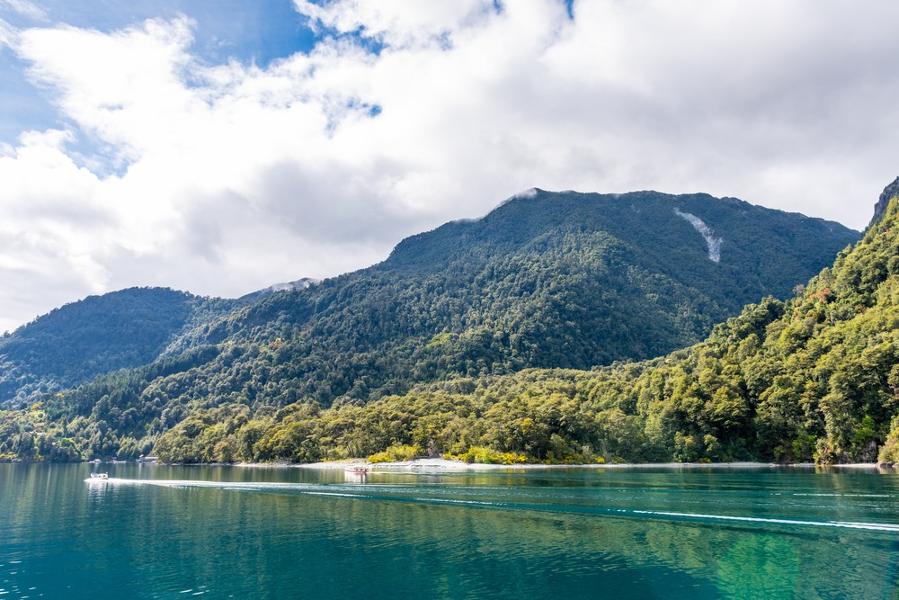
Rivers, canyons, and lakes blend beautifully in this Chilean Patagonia park. The Vicente Perez Rosales National Park is a magnificent destination for hiking adventures. It is home to the Osorno Volcano, the Petrohué Waterfall, and the famous Lago Todo Los Santos. Surrounded by volcanoes, this lake features volcanic hot springs born from the meeting of water and lava. The landscape here reveals itself entirely differently from other parks in Chile's Lake Region—a setting ripe for wonder and exotic discovery.
Nahuel Huapi
Patagonia's first created national park, Nahuel Huapi National Park in Argentina is an ideal destination for nature lovers and outdoor sports enthusiasts. Composed of lakes, rivers, deep valleys, lush forests, and striking rock formations, this park offers a true sanctuary for relaxation and peace. You can explore it on foot, horseback, by bike, or kayak, encountering exceptional wildlife and flora. The park is home to significant populations of otters.
Los Arrayanes
If you love forests, head to Los Arrayanes National Park. Bordering Nahuel Huapi Lake, it was once part of Nahuel Huapi National Park. It is best known for its exceptional trees, the arrayán, a rare and beautiful species. It is therefore the ideal place for forest walks!
Patagonia
Another gift from the Tompkins Foundation to Chile, Patagonia Park opened its doors only in 2018, after years of restoration. In the early 2000s, Thomas Tompkins purchased estancias facing deforestation to protect Chile's exceptional forests. The park is home to the puma, the gray fox of Argentina and Magellanic fox, the huemul, and the Guigna cat. Its postcard-worthy landscapes, such as Jeinimeni Lake, remain pristine, as the park still receives few visitors.
Frequently asked questions
Torres del Paine National Park in Chile is often considered Patagonia's most beautiful, and has even been named the eighth wonder of the world. It offers exceptional landscape diversity: glaciers, turquoise lakes, iconic peaks, and the famous W hiking circuit.
The best time to visit Patagonia's national parks is the Southern summer, from November to March. Temperatures are milder, days are long, and hiking conditions are optimal. Winter (June-August) is possible for some parks but weather conditions can be challenging.
Torres del Paine National Park is accessible from the Chilean town of Puerto Natales, which serves as the main logistics hub. You can reach it by bus from Puerto Natales (approximately 2 hours) or by rental car. The nearest airport is Punta Arenas, connected to Santiago by regular flights.
The W Circuit is an iconic hiking route through Torres del Paine National Park, named for the W-shaped path it traces on a map. It connects the park's major attractions—the Torres, the Cuernos, Glacier Grey, and the French Valley—and typically takes 4 to 5 days to complete.
Most of Patagonia's national parks are open year-round, but accessibility and conditions vary by season. Some trails may close in winter due to snow. It is advisable to check conditions with local tourism offices before your visit, especially for high-altitude hikes.
Patagonia is rich in wildlife. Depending on the park, you may observe guanacos, condors, rheas, pumas, Magellanic foxes, penguins, seals, sea lions, and even whales. Torres del Paine National Park is particularly renowned for its guanaco colonies and condor populations.