What to do in Patagonia: the best activities
Patagonia is a true land of adventure that only a few travelers are fortunate enough to visit.
Patagonia is a true land of adventure that only a few travelers are fortunate enough to visit. Between its jagged mountains, endless glaciers, vast steppes and dramatic fjords, this land at the end of the world offers some of the most breathtaking landscapes and countless possibilities for exploration. Here are some activities you absolutely must add to your Patagonia vacation itinerary.
Ride the train at the end of the world
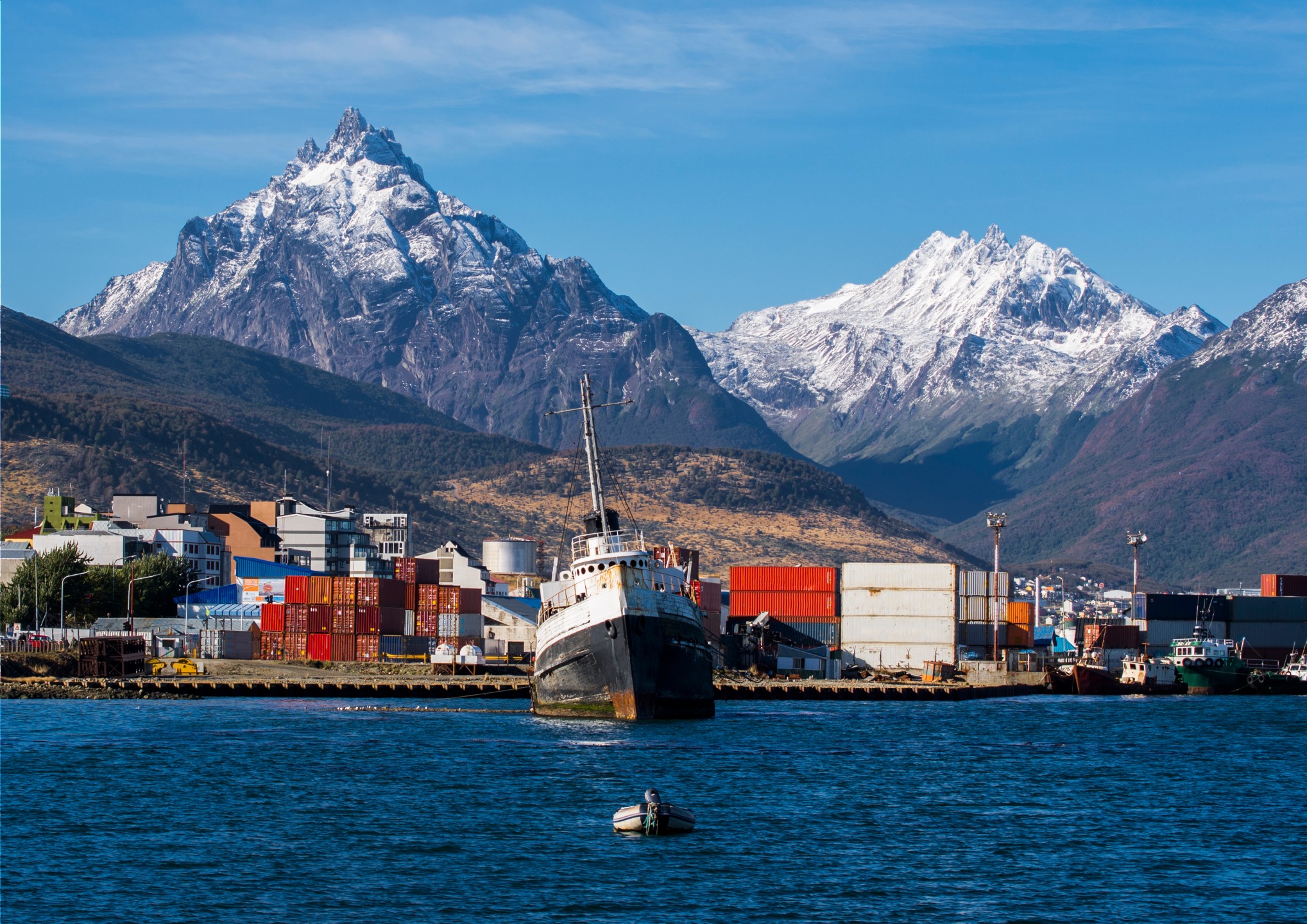
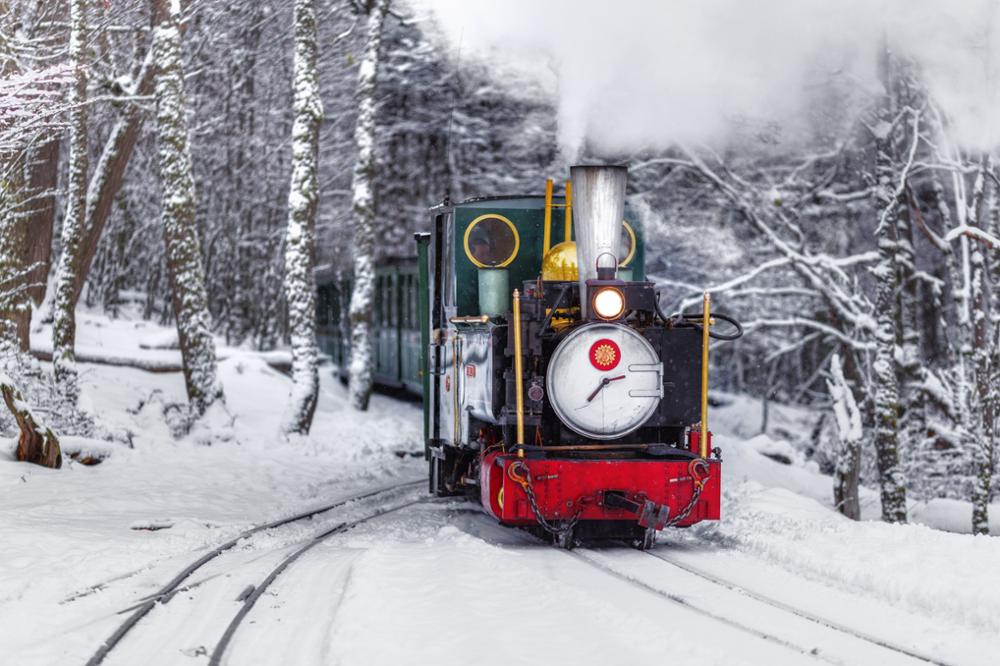
Naturally, your journey to Patagonia should include a visit to the end of the world, and there's no better way to experience this extremity than a trip to Ushuaïa. Ushuaïa is the world's southernmost city; a place that captures imaginations with its lunar landscapes, silent snowy expanses and tumultuous coastline. There, you can experience something truly special aboard the train at the end of the world, a charming steam train that travels from Ushuaïa to the Tierra del Fuego national park. Prepare yourself for an unforgettable journey, and don't forget to get your end-of-the-world stamp at the tourism office.
Watch the whales
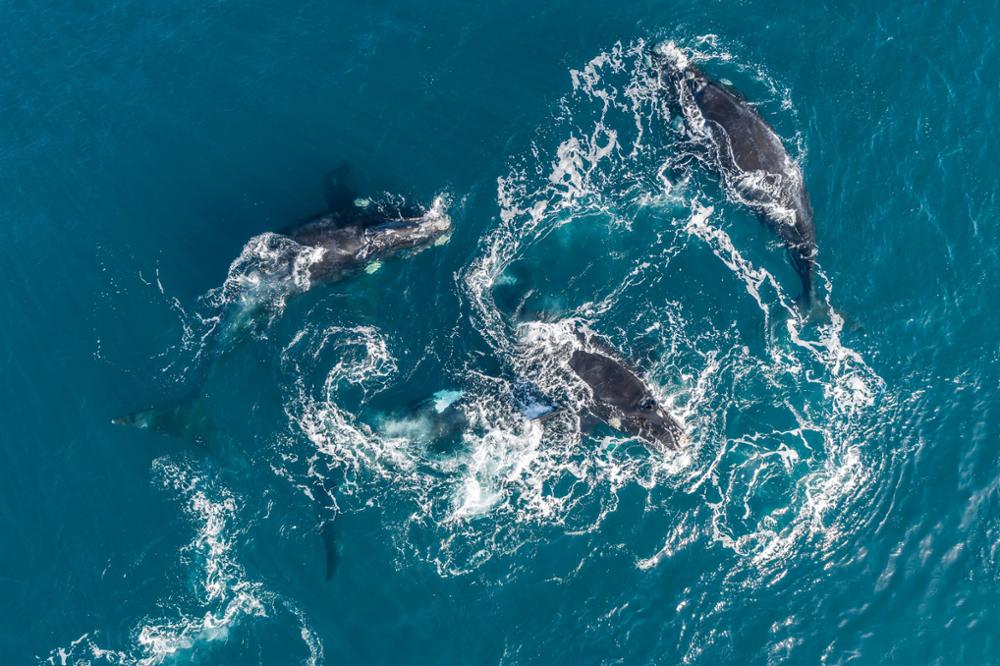
Patagonia is an ideal destination for nature lovers. Here, you can immerse yourself in exceptionally wild nature and spend your days observing wildlife: penguins, condors, pumas, elephant seals and more. Bring a good pair of binoculars and a camera with a powerful zoom to capture these extraordinary moments. But most importantly, don't miss the opportunity to observe whales. Patagonia is a major migration site for whales, where you can easily spot orcas, southern right whales, and even blue whales, the largest animals on Earth. These giants are most commonly seen near the Valdés Peninsula, the Strait of Magellan, and the Chilean fjords. It's a sight that will take your breath away.
Walk among the penguins
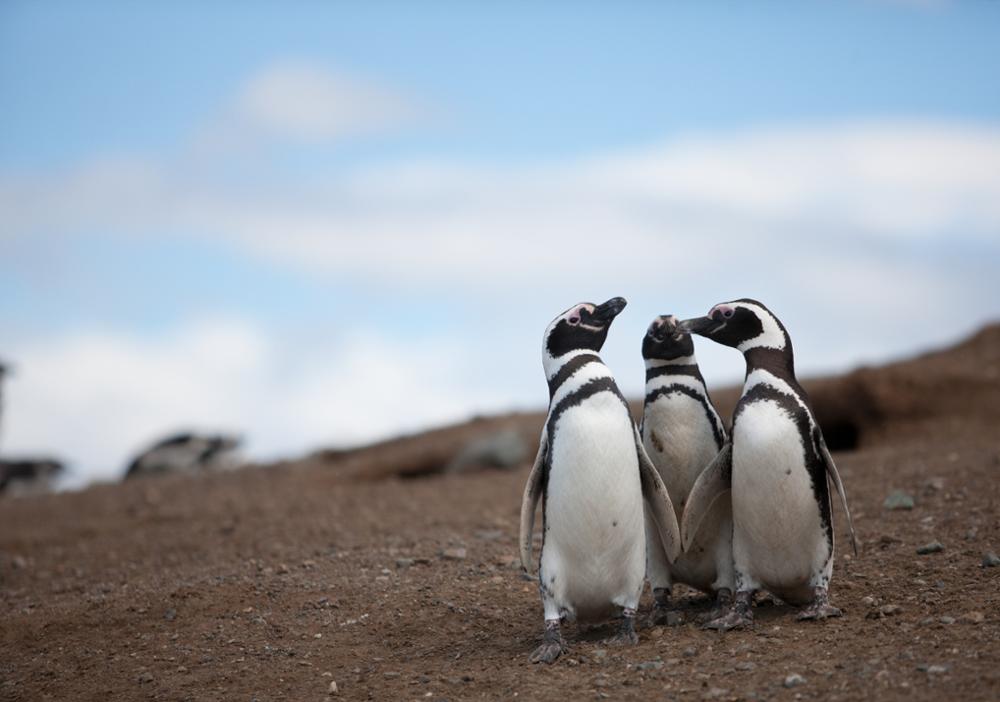
On the wildlife front, Patagonia allows you to observe vast penguin colonies and turn childhood dreams into reality. The region is home to Magellanic penguins and Emperor penguins, which thrive in the exceptional landscapes of the continent's extreme south, alternating between the sea, glaciers and rocky outcrops. Near Ushuaïa, Martillo Island hosts the largest colonies, and you can even land there to walk among the penguins and make some new feathered friends.
Climb a glacier
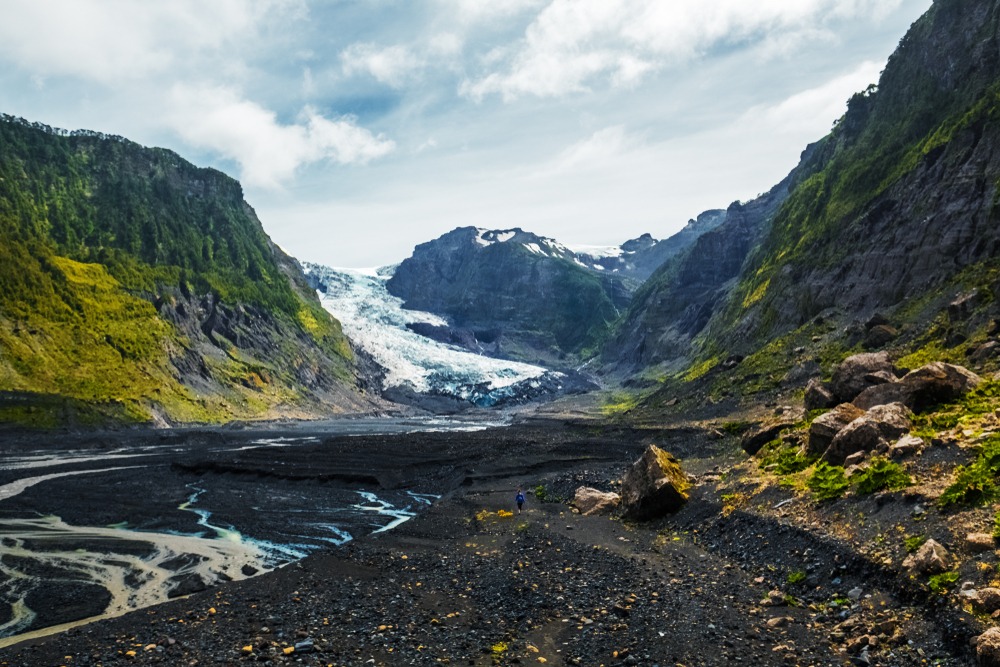
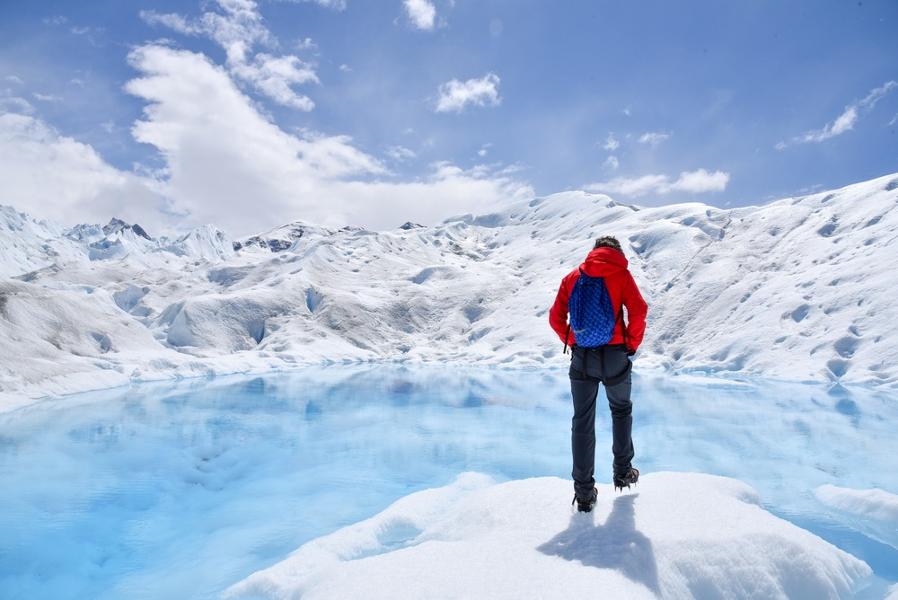
Whether you're a beginner or an experienced mountaineer, Patagonia is the best place to venture into alpinism. With its towering legendary peaks, imposing glaciers, valleys and lakes, it's a destination perfectly suited for adventure. To experience Patagonia at its fullest, nothing beats climbing a glacier, an activity brimming with emotion. Come face these giants of ice safely: you'll feel humbled and serene before the immensity of nature. Patagonia is home to more than 300 glaciers in brilliant whites and blues with stunning appearances, including the most famous ones: the Perito Moreno, Grey, and Viedma glaciers.
Kayak through a fjord
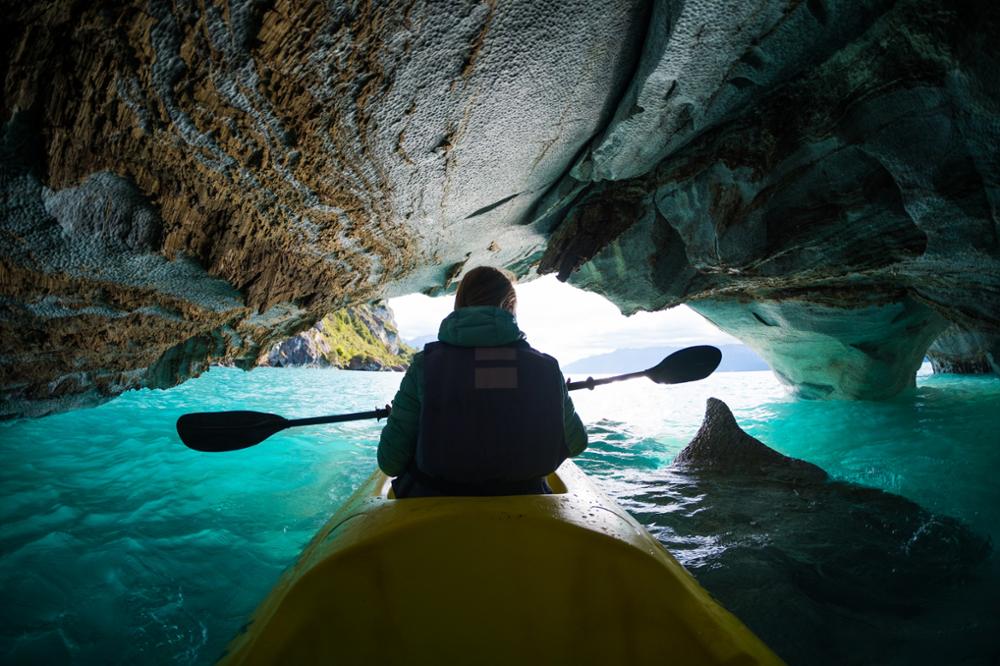
If Patagonia is wonderful on land, it's equally captivating along its coastlines. This region boasts countless fjords, particularly on the Chilean side (including the Cahuelmo fjord, which also features volcanic hot springs). These cut through narrow cliff faces in pristine, sparkling glacial waters, offering exceptional views of otherwise inaccessible landscapes. By kayak, you can navigate these fjords in perfect harmony with nature, discovering elephant seals, whales and other wildlife. Don't miss the opportunity either to plan a kayaking expedition through the marble cathedrals, a true wonder of nature.
Go trekking
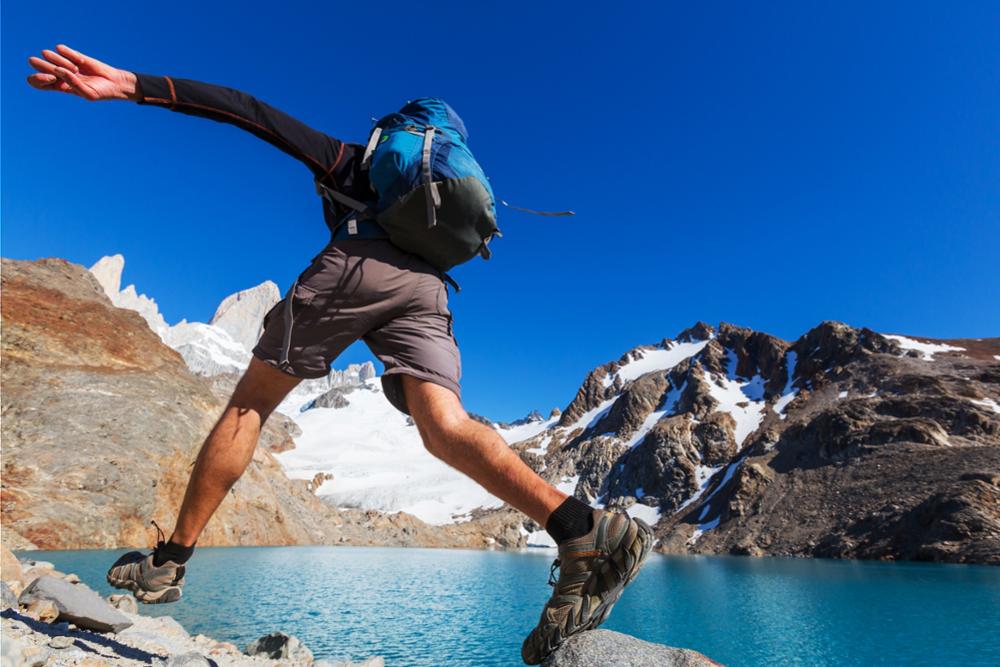
It's impossible to visit Patagonia without setting aside time for trekking. Patagonia is home to some of the world's best-preserved landscapes, and it's an exceptional place for multi-day trekking. You'll get close to majestic glaciers, witness legendary mountains, encounter wildlife, and admire the stunning colors of the plains, lakes and waterfalls. Patagonia is home to numerous national parks, including Torres del Paine and Los Glaciares, which are truly worth the visit.
Frequently asked questions
The best time to visit Patagonia is the austral summer, between November and March. Temperatures are milder, days are long, and most outdoor activities (trekking, kayaking, whale watching) are accessible. Patagonian summer remains windy and unpredictable, however: pack warm and waterproof clothing for any season.
Trekking options in Patagonia range from beginner to expert level. Accessible trails exist in the Torres del Paine and Los Glaciares national parks for occasional hikers. Multi-day treks like the famous W circuit or the complete Torres del Paine loop require good physical fitness. Glacier climbing is practiced with a certified guide, even for beginners.
The Valdés Peninsula in Argentine Patagonia is the best place to observe southern right whales, particularly between June and December. Boat trips depart from Puerto Madryn. Orcas can also be spotted at Punta Norte, and blue whales frequent Chilean fjords. Book your excursion in advance during peak season.
Patagonia is home to several Magellanic penguin colonies. The most famous sites are Punta Tombo (South America's largest colony), the Valdés Peninsula, and Martillo Island near Ushuaïa, where it's possible to land and walk among the penguins with a guide.
The Perito Moreno glacier, in the Los Glaciares national park in Argentina, is the most famous and one of the few glaciers in the world still advancing. It can be viewed from walkways or hiked with crampons. The Grey glacier in Chilean Torres del Paine national park is accessible by trekking or kayaking. The Viedma glacier is accessible from El Chaltén.
Patagonia spans two countries: Argentina and Chile. French nationals do not need a visa to enter either country for a tourist stay of less than 90 days. However, check the specific entry requirements for your nationality before departure, and make sure your passport is valid.