Última Esperanza
Última Esperanza
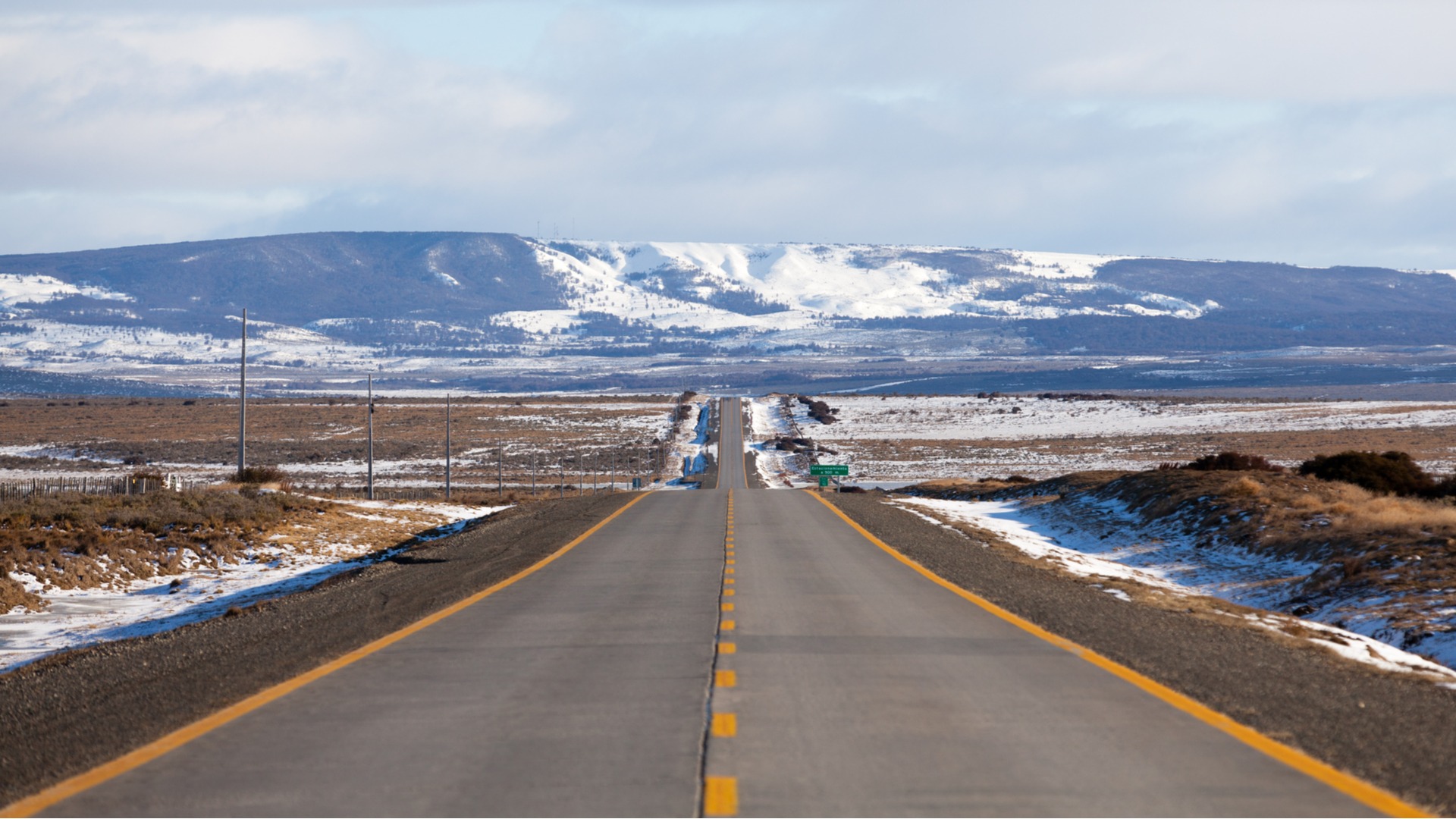
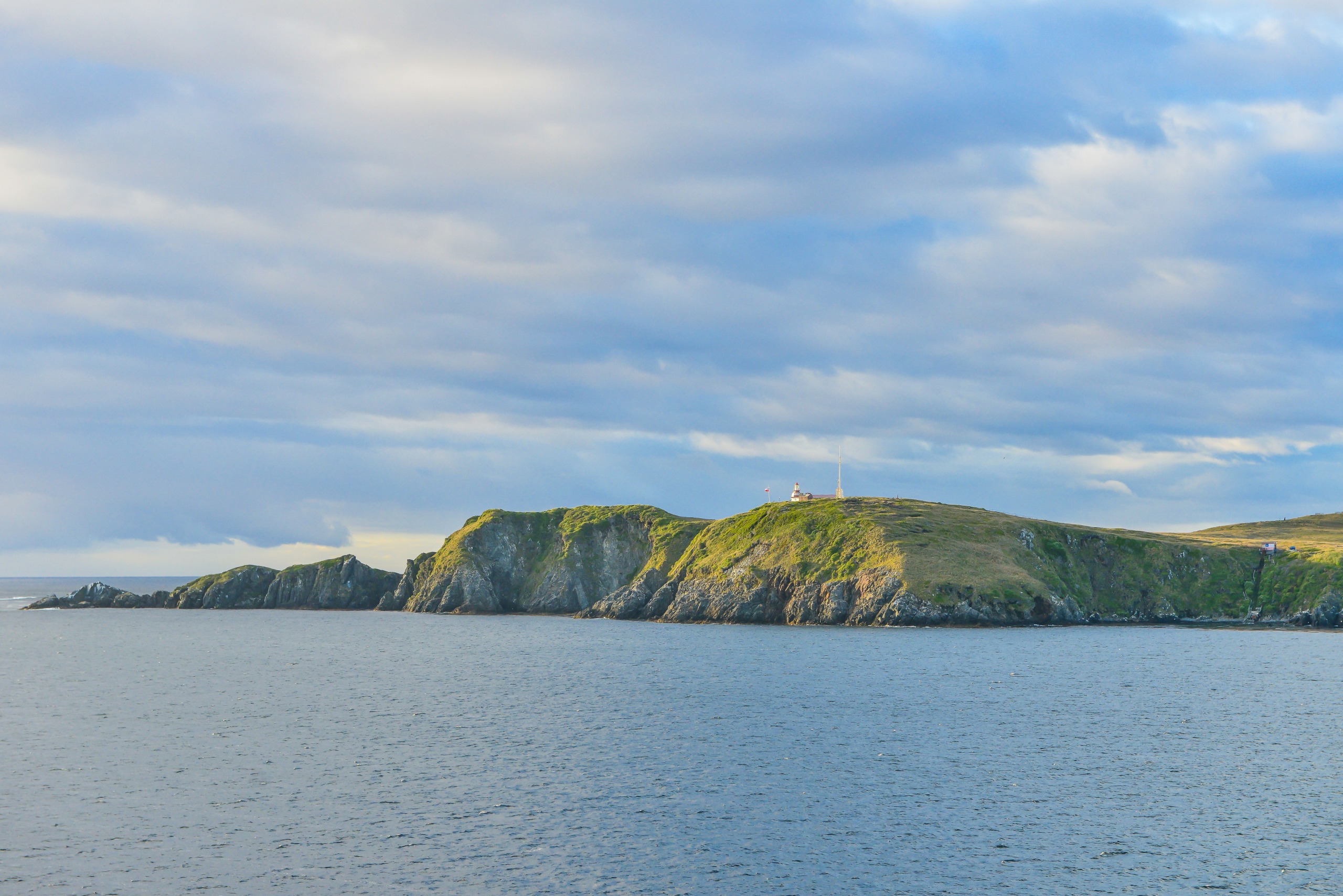
Fjords, glaciers, granite peaks and windswept plains: Última Esperanza captures the essence of Chilean Patagonia, centered around Puerto Natales and Torres del Paine National Park.
Chilean Patagonia is a region brimming with mystery and breathtaking landscapes, but one of its most remarkable destinations is the province of Última Esperanza. Nestled between majestic mountains and deep fjords, this area offers incredible natural and cultural richness. Whether you're passionate about trekking, photography, or simply seeking complete escapism, the Última Esperanza region will offer you unforgettable memories in a setting of wild, untouched beauty.
History
The name Última Esperanza, meaning "Last Hope," originates from 16th-century maritime exploration, notably by Spanish explorer Juan Ladrillero. Tasked with finding a passage between the Atlantic and Pacific Oceans, this navigator traversed the Patagonian channels in 1557. However, his search proved fruitless.
After weeks of navigation through hostile waters and in a state of despair, Ladrillero arrived at a fjord he initially believed to be the western entrance to the Strait of Magellan. Delighted at discovering what he thought was a passage through, he named this fjord "Seno Última Esperanza," signifying it represented his "last hope" of finding the elusive passage. Unfortunately, he soon realized it was merely a fjord, not the strait he was seeking. Thus, the name Última Esperanza designates not only this fjord but also the entire province where it lies. This remote, unspoiled region of Patagonia embodies this quest for hope and discovery.
Over the centuries, the region experienced several waves of colonization, primarily by gauchos (cattle herders) and later by fishermen, who attempted to tame its wild lands. The arrival of Europeans, however, devastated indigenous populations such as the Kawésqar and Selk'nam. These peoples saw their traditional way of life disrupted by these new settlement waves. Today, conservation efforts and recognition of indigenous peoples contribute to preserving their history and traditions.
A Spectacular Natural Setting
Última Esperanza is one of four provinces located in the Magallanes and Chilean Antarctic region, in southern Chile. Spanning approximately 16,483.1 km², it is known for its grandiose and varied landscapes. This province is dominated by fjords, glaciers, snow-capped mountains, forests and prairies of rare beauty. The climate, often humid and windy, adds an almost mystical dimension to this remote region.
Apart from Cerro Chaltén and Cerro Torre, the main geographical attraction of Última Esperanza is undoubtedly Torres del Paine National Park, located at its southeastern extremity. This park is among Chile's most famous and attracts thousands of visitors annually for its breathtaking landscapes, imposing glaciers, glacial lakes, and exceptional wildlife. The distinctive qualities of its ecosystems led UNESCO to inscribe it among the world's biosphere reserves in 1978.
To the north of the region lies Balmaceda Glacier, another emblematic site. Accessible by sea, this glacier offers an impressive spectacle with its glacial walls plunging into the fjord's cold waters.
A Rich and Diverse Ecosystem
Última Esperanza's ecosystem is marked by great biome diversity. Forests of lenga (a type of southern beech) and coihue (a type of hardwood) cover the mountain slopes and descend to the fjord shores. They possess exceptional biological richness, harboring numerous fauna and flora species. Among notable plant species are also shrubs and grasses growing in lower zones, providing habitat for herbivores like guanacos.
The fauna is equally fascinating. Beyond guanacos and rheas, approximately 26 mammal species can be seen, notably pumas, foxes and the huemul (an endangered mountain deer). It's also possible to spot over 118 bird species such as flamingos, Andean condors and caracaras. Última Esperanza province also abounds with 6 reptile species, 5 fish species and 3 amphibian species.
The region's fjords are crucial zones for marine life. They harbor a multitude of marine species, notably dolphins, whales and sea lions, observable during boat excursions. This area's maritime richness also makes Última Esperanza a privileged location for fishing and marine resource exploitation.
Activities
Thanks to its impressive landscapes and adventure opportunities, Última Esperanza attracts travelers from around the world. Those visiting this province can choose from a variety of outdoor activities:
Trekking in Torres del Paine National Park
Torres del Paine National Park is an essential trekking destination. It features several hiking trails winding through the Torres area and Valle del Francés, varying in length and difficulty. The "W" circuit is the most popular, offering spectacular views of the famous Torres (granite peaks), Grey Glacier and turquoise lakes. For more experienced hikers, there's also the "O" circuit, covering a larger portion of the park. Additionally, some lodges and tour operators offer horseback excursions in various park sectors.
Boat Excursions
Travelers can also take a boat excursion on the Serrano River fjord at the foot of Balmaceda Glacier, on Lakes Pinto and Toro, or along the Hollenberg River. These cruises offer stunning views of the region's pristine landscapes and opportunities to observe local wildlife up close.
Kayaking Adventures
The Seno Última Esperanza makes an excellent kayaking spot on calm days. Other locations, such as Fiordo Eberhard near Puerto Consuelo and Laguna Sofia, also offer ideal conditions for this activity. It's recommended to hire an experienced guide, use suitable kayaks and notify the Chilean maritime authority before setting out. Local tour agencies also offer these kayaking excursions.
Discovering Puerto Natales
Puerto Natales, the capital and main town of Última Esperanza province, is the departure point for numerous excursions. This charming small port town features a picturesque setting, ideal for relaxing after a day of adventure. It offers a selection of accommodations, restaurants and tourist services while serving as a coordination hub for Torres del Paine Park treks. Additionally, 24 km north of Puerto Natales lies the natural monument Cueva del Milodón. This is an important archaeological site, known for its discoveries.
Want to discover this destination?
Our local advisors design your tailor-made trip.