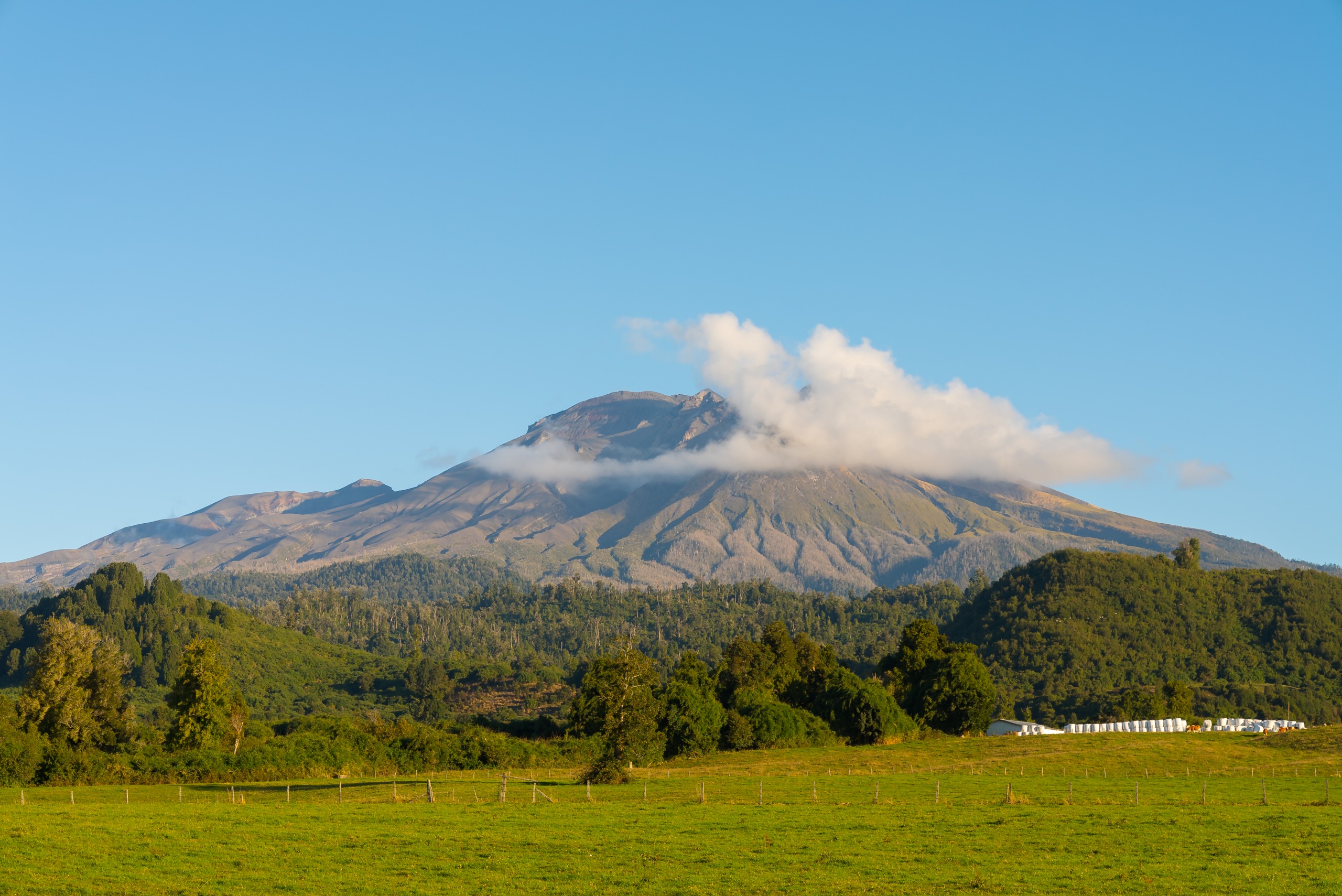
Golfo De Penas
The Golfo de Penas, at the edge of Chilean Patagonia, is one of South America's most remote maritime passages. Fjords, marine fauna, and Pacific storms: a horizon apart.
The Golfo de Penas marks the natural boundary between Chilean Patagonia and the Chonos archipelago. Opening onto the Pacific, this arm of sea battered by winds separates the Taitao Peninsula from the continent. It is one of Chile's most isolated and wildest maritime zones, crossed by ships of the Navimag company on the route between Puerto Montt and Puerto Natales. Few travelers disembark here: most contemplate it from the deck of a ferry.
What to see
The gulf opens onto a panorama of fjords, deserted islands, and jagged coastlines. Valdivian rainforest vegetation gradually gives way to windswept moorland. The waters shelter colonies of sea lions, Peale's dolphins, and, depending on the season, whales. The sky, often overcast, offers dramatic light over the gray waters of the Pacific.
History and context
The name "Penas" (sorrows, sufferings) reflects the reputation of this gulf among mariners. For centuries, ships linking the Strait of Magellan to northern ports had to cross this passage exposed to southern Pacific storms. The Chonos, a maritime nomadic people, navigated these waters long before Europeans arrived. Charles Darwin, aboard the Beagle, crossed these waters in 1834 and noted the violence of the weather conditions.
Highlights of the visit
The Navimag ferry crossing
The Puerto Montt – Puerto Natales maritime route runs along interior channels before crossing the Golfo de Penas. This passage in open waters, often turbulent, lasts a few hours. It is the most spectacular—and most challenging—moment of the four-day journey.
Marine wildlife
Dolphins, sea lions, and seabirds (albatrosses, petrels) frequently accompany ships. The period from November to March offers the best viewing conditions, with longer days.
The Taitao Peninsula
Almost entirely protected, the Taitao Peninsula borders the gulf to the south. It is home to the Katalalixar National Reserve and remains one of Patagonia's least-visited areas.
Photography tips
Low-angle light at early morning or late afternoon emphasizes contrasts between dark waters and snow-capped peaks. Bring a waterproof housing or spray protection: wind regularly sprays water on deck. Longer focal lengths allow you to capture marine wildlife without disturbing it.
Location and access
The Golfo de Penas is located in the Aysén region of Chile, between the 47th and 48th parallels south. It is not accessible by land. The only way to cross it is by sea, primarily via the Navimag ferry or private sailing expeditions. Puerto Montt is the usual starting point to the north; Puerto Natales to the south.
- Access: Navimag ferry from Puerto Montt or Puerto Natales
- Recommended duration: the gulf is crossed in a few hours as part of a multi-day journey
- Accessibility: limited on ferries; inquire directly with Navimag
Nearby
- Puerto Natales — gateway to Torres del Paine National Park, southern terminus of the Navimag crossing.
- Puerto Montt — departure city for Patagonian channels, with seafood market and access to Lake Llanquihue.
- Laguna San Rafael National Park — spectacular glacier accessible by sea from Puerto Chacabuco, north of the gulf.
Frequently asked questions
The crossing is primarily made aboard the Navimag ferry on the Puerto Montt – Puerto Natales route. Private sailing expeditions exist but remain rare and expensive.
Yes. Exposed to the southern Pacific, the Golfo de Penas is renowned for its difficult weather conditions. Seasickness is common when crossing in open waters. Plan accordingly with appropriate medication.
The austral summer (November to March) offers slightly milder weather conditions and longer days, favorable for wildlife observation.
Practically not. The shores are nearly inaccessible and unequipped. Visits are made from the ferry deck or as part of specialized expeditions.
Sightings are possible, particularly in austral summer. Peale's dolphins and sea lions are more regularly reported than large whales.
Want to discover this destination?
Our local advisors design your tailor-made trip.