Ushuaia
Ushuaia
Ushuaia, the world's southernmost city, opens onto the Beagle Channel, Tierra del Fuego National Park, and Antarctic cruises. Our comprehensive guide.
Regarded as the world's southernmost city, Ushuaia captivates with its serene and picturesque character. With its rivers, lakes, sea, snow-capped mountains, and glaciers, it's easy to understand why this city has earned the distinction of being the capital of Tierra del Fuego.
Setting course for Ushuaia, a land at the "end of the world" nestled along the shores of the Beagle Channel, where exceptional landscapes await exploration. Initiatory, captivating, and wonderfully unique, this nature destination is an absolute must-see during your journey through Patagonia!
Diving into Ushuaia's History
The first populations—nomadic hunters and gatherers migrating from the north—arrived on foot more than 10,000 years ago to Isla Grande. Not long after, came the Yámanas, maritime nomads who navigated between islands throughout Patagonia's western archipelago.
Many centuries later, Magellan, during an expedition in 1520, discovered the island and its narrow strait. The island became known as Isla Grande, and the strait took the name of Magellan.
During their crossing, Spanish navigators observed fire and smoke rising from the northern shores, leading to the designation "the Island of Smoky Fires and Fires". This latter name was transformed by King Charles V into "Tierra del Fuego," meaning "Land of Fire."
A mission of Anglican pastors, led by Thomas Bridges, decided to settle near the Beagle Channel in 1869, establishing the first settlement near the site of the future city. However, the Argentine government decided to reclaim this territory to house dangerous prisoners.
An Argentine expedition landed in September 1884 to establish a subprefecture. It was only on October 12, 1884, that the Argentine flag was raised facing Ushuaia Bay.
The name "Ushuaia" derives from the language of the Yámana indigenous people, its first inhabitants. It means "bay toward the west." The city developed primarily from the 1970s onward with the establishment of a free trade zone. The first dwellings were built by the South American Missionary Society, whose mission was to evangelize the aboriginal peoples.
Ushuaia Today
Despite its particular geographic location, Ushuaia is home to nearly 70,000 inhabitants. The city, spanning 9,390 km², sits on the Tierra del Fuego archipelago at the southernmost tip of South America.
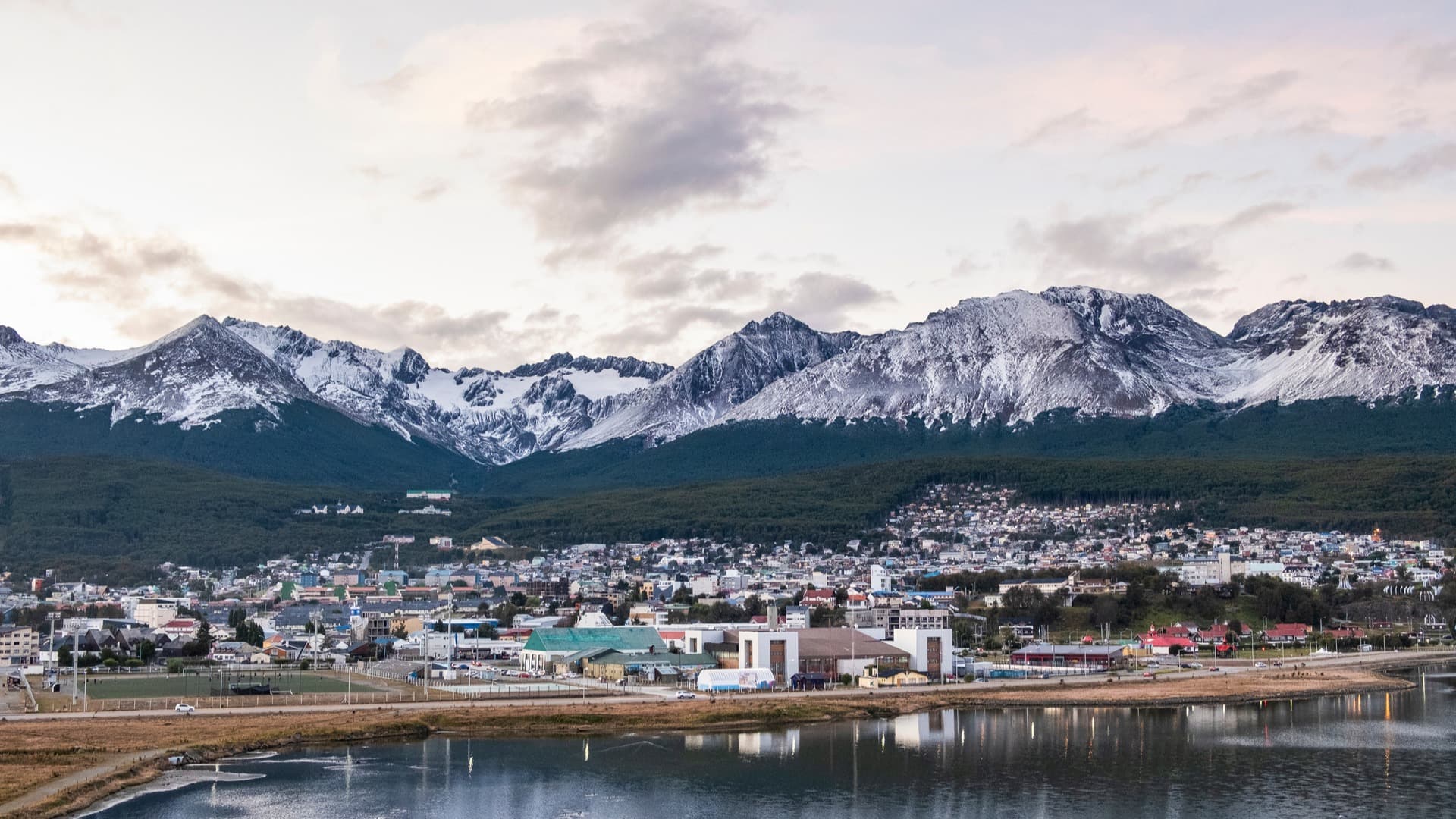
Nature in Ushuaia remains both wild and pristine. Perched on a steep hillside, the city is surrounded by Cerro Martial and the Beagle Channel. It serves as the gateway to Antarctic cruises via its charming port, heading toward Yécapasela Island, known as "Penguin Island."
Before Ushuaia's population boom, Puerto Williams (in Chile) held the title of world's southernmost city. Today, Ushuaia is not only the southernmost, but also the capital of Tierra del Fuego and the South Atlantic Islands.
The city owes its economic growth to the tourism sector. You'll find a wide array of accommodation options, from five-star palaces to youth hostels, bed and breakfasts, cabins, and camping areas.
Along the Beagle Channel, the vibrant city of Ushuaia offers a wide selection of activities! On the agenda: surfing, hiking, diving, fishing, horseback riding, cycling, skiing… For a taste of the charming side of your escape, board the End of the World Train, heading to Tierra del Fuego National Park.
Ushuaia in a Nutshell
Located on the Great Island at the southern tip of the American continent, Ushuaia is the capital of the Province of Tierra del Fuego, Antarctica, and the South Atlantic Islands. This provincial capital stretches along the icy waters of the Beagle Channel. It is bordered to the west by Mount Martial and to the east by the Olivia and Cinco Hermanos peaks. Ushuaia, its channels, and the numerous surrounding islands owe their formation to erosion carved by ancient glaciers.
The city owes its renown to exceptional marine fauna (whales, dolphins, orcas, sea lions, and penguins) and several distinctive culinary specialties worth tasting. King crab, with its savory flesh, seafood, and grilled lamb will add a special touch to a guided circuit through Patagonia.
Ushuaia, A Beautiful Gateway at World's End
Through its extreme geographic location at the threshold of Antarctica, Ushuaia proudly proclaims its status as the "city at the end of the world". During a stop on a bespoke Patagonia journey, the city radiates a peculiar charm that instantly captivates visitors.
Perhaps it's due to its changeable climate or the magnificent Andean landscapes reflected in the Beagle Channel? In any case, it remains a destination that continues to fascinate!
Begin your city exploration from the Costanera Avenida Maipú, running along the Beagle Channel. From this avenue, head to Ushuaia's Port and the Nautical Club. Then take a footbridge leading to the peninsula, where the view over the city is truly breathtaking! In this area also stretches Baía Encerrada. In winter, when the bay freezes over, this is the best place for ice skating.
Return to the center, then head to Malvinas Argentinas Street, where the Casa de Beban stands alongside a replica of Ushuaia's former pioneer village. From there, continue to the commercial San Martín Street, home to the Presidio and its prison (now converted into a maritime museum). This prison, built between 1902 and 1920 and closed in 1947, symbolizes Ushuaia's colonization period. The prison consisted of 380 cells spread across five pavilions.
You should also visit the Museum of the End of the World. Through exhibitions, you'll learn more about the region's history and the indigenous peoples who lived on Tierra del Fuego before colonization. It also houses archaeological objects, an ornithological collection, and artifacts from the penal settlement.
Another major attraction of Ushuaia is the "Tren del Fin del Mundo" (End of the World Train). Its history is closely linked to that of the Presidio. The 8-kilometer route begins at the "Estación del Fin del Mundo" and ends at "Estación Parque Nacional Tierra del Fuego." The journey aboard this steam train includes a stop at a reconstructed Yámana encampment (the region's original inhabitants).
During a winter stay in Ushuaia, from June to September, the city transforms into a renowned ski resort. Enjoy exceptional snowfall, 17 km of quality ski runs, high-performance lifts, and numerous off-piste activities (snowshoeing, dog sledding…). Alpine skiing enthusiasts will delight in carving down the slopes of the Cerro Castor ski area.
Beautiful Hikes Await in Ushuaia
In Ushuaia, mountains cascade into the ocean in a magnificent string of islets, all threaded through a maze of channels and fjords. The road leading to Ushuaia is quite surprising. After leaving Río Grande, you suddenly encounter mountain roads. You climb progressively, then Lake Fagnano comes into view, with steppe forests and typical Patagonian vegetation all around.
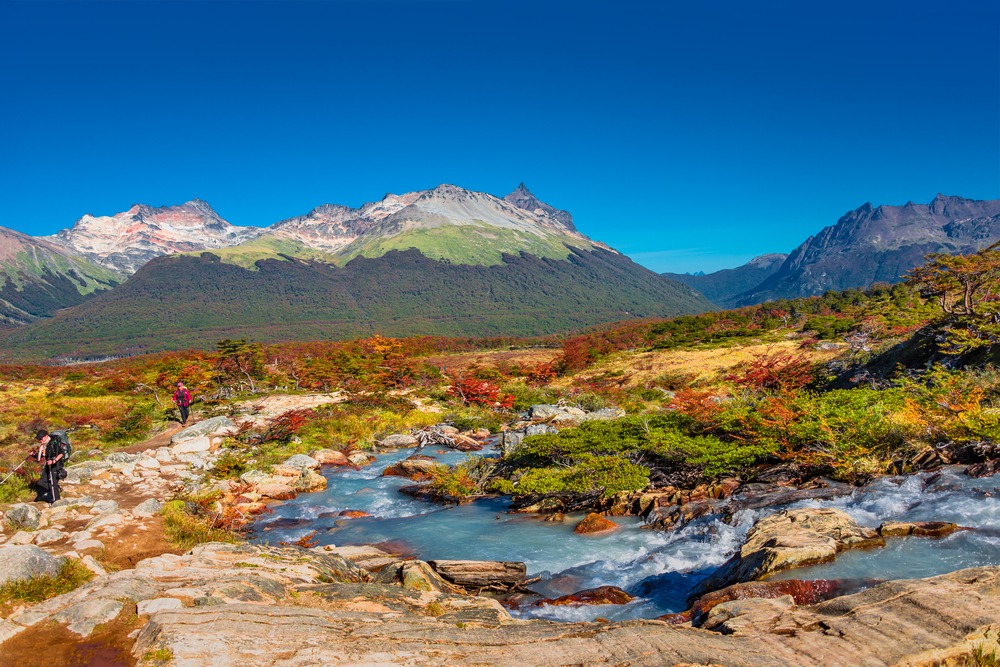
The Tierra del Fuego National Park, located at the extreme south of the Andes cordillera, 12km west of Ushuaia, is the main attraction of Tierra del Fuego Island. Interspersed with rivers and peatlands, as well as subantarctic forest, this park spans 63,000 hectares and features snow-capped peaks, mountain lakes, and a magnificent coastal area.
You'll discover the Escondido and Fagnano lakes, the magnificent Lapataia Bay, or the Martial Glacier. You can also take advantage of this park visit to explore typical Patagonian ranches such as Harberton (20,000 hectares).
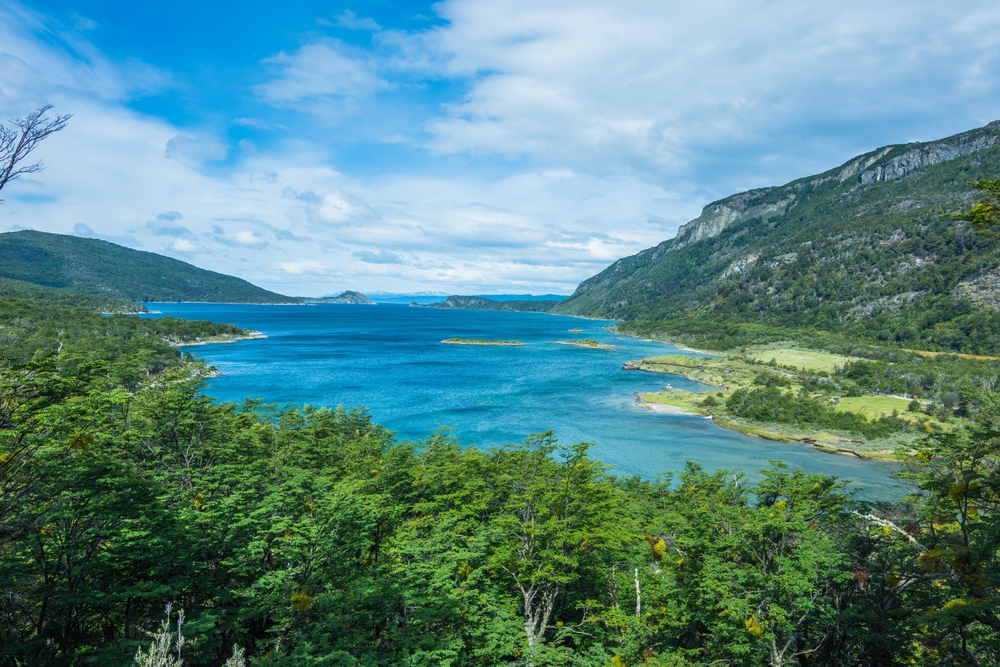
The park also features 4 marked trails of at least 10km for trekking and hiking enthusiasts. The Senda Costera, running from Bahía Ensenada to Bahía Lapataia, is undoubtedly one of the park's most beautiful trails. Along its 8 km, you'll discover the jagged shores of the Beagle Channel and lush forest.
No visit is complete without crossing the Beagle Channel. This excursion offers an opportunity to discover Isla de los Lobos, populated by sea lions, Isla de los Pájaros, occupied by seabirds, and the Les Éclaireurs lighthouse. This 11-meter tower is the iconic symbol of the Beagle Channel.
As you progress through the circuit, you'll head toward Cerro del Medio. This excursion, which can be completed in half a day, begins from Emeterio Julio Rodríguez Street (downtown). After an hour and a half of hiking through a forest carpeted with Cyttarias, you'll reach a rocky path leading to a magnificent lagoon.
Laguna Esmeralda is one of the classic hikes on an Ushuaia circuit. After crossing marshlands, valleys, streams, and forests, you'll arrive at this stunning lagoon. The moment is magical as you gaze upon the snow-capped peaks surrounding you reflected in the emerald-colored water.
Climate
Ushuaia enjoys a subpolar oceanic climate. Seasons are not strongly marked, with temperatures hovering around 0°C regardless of the time of year. In winter, average temperatures reach −2°C, while summer can see highs of 30°C.
Winter days are short in Ushuaia. The sun rises around 10 a.m. and sets at 5 p.m. In summer, days are longer. Dawn appears around 4 a.m. and dusk at 11 p.m.
Although annual precipitation totals 529mm, the climate is extremely humid, cloudy, and misty. Snowfall can occur at any time of year and with some regularity.
The city is also exposed to dominant westerly winds, called the westerlies, bringing mildness and moisture year-round. However, from August to January, Ushuaia faces sudden and violent winds that can pose a danger to navigation.
Ushuaia, located more than 3,000km south of Buenos Aires, is the gateway to the globe's most austral regions.
By Air
Flying is by far the best means of transport to reach Ushuaia from Buenos Aires. Ushuaia's International Airport is served by regular flights from Buenos Aires. Upon arrival in the Argentine capital, take a flight to southern Patagonia.
A direct flight between Buenos Aires and Ushuaia takes approximately 3 hours 40 minutes and costs a minimum of €240 for a one-way ticket. Several airlines also offer daily direct flights between El Calafate and Ushuaia, starting from €140 (for a one-way ticket).
By Bus
For those wishing to arrive in Ushuaia by bus, there is no direct land link between Buenos Aires and Tierra del Fuego. To reach Río Grande and Ushuaia, you must pass through Río Gallegos.
Two bus companies offer this route, Andesmar and El Pinguino, with a journey lasting nearly 40 hours. Upon arrival in Río Gallegos, take another bus from Marga or Tecni Austral. They complete the journey to Ushuaia in approximately 12 hours for around €70.
By Boat
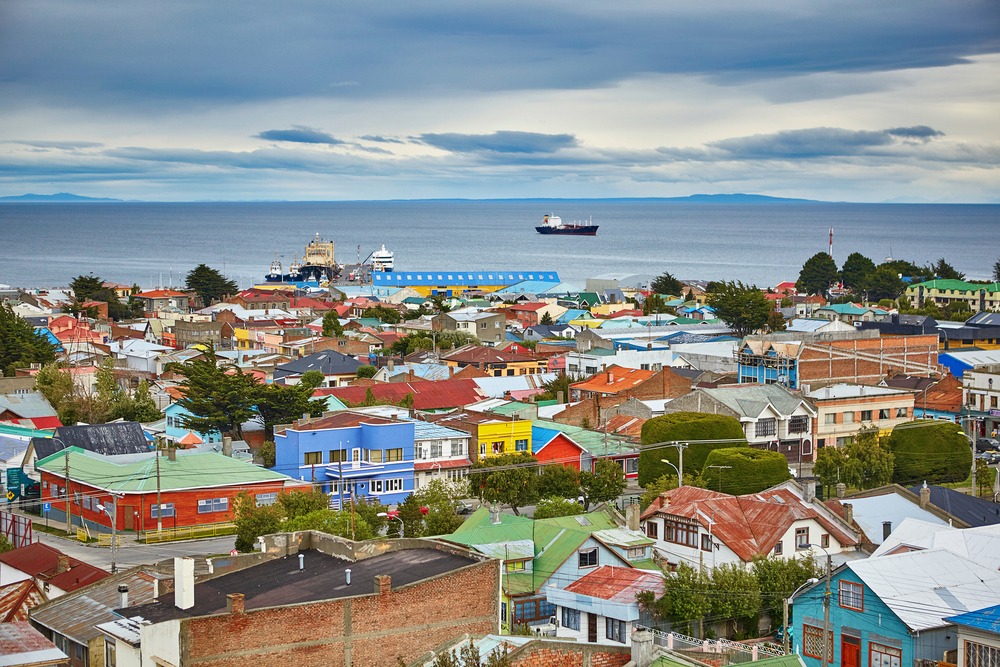
From Punta Arenas, you have two options. Either you travel through Primera Angostura (covering over 1,000km in total), or you take the barge to Porvenir, located in western Tierra del Fuego (covering 800km in total).
Attractions in Ushuaia
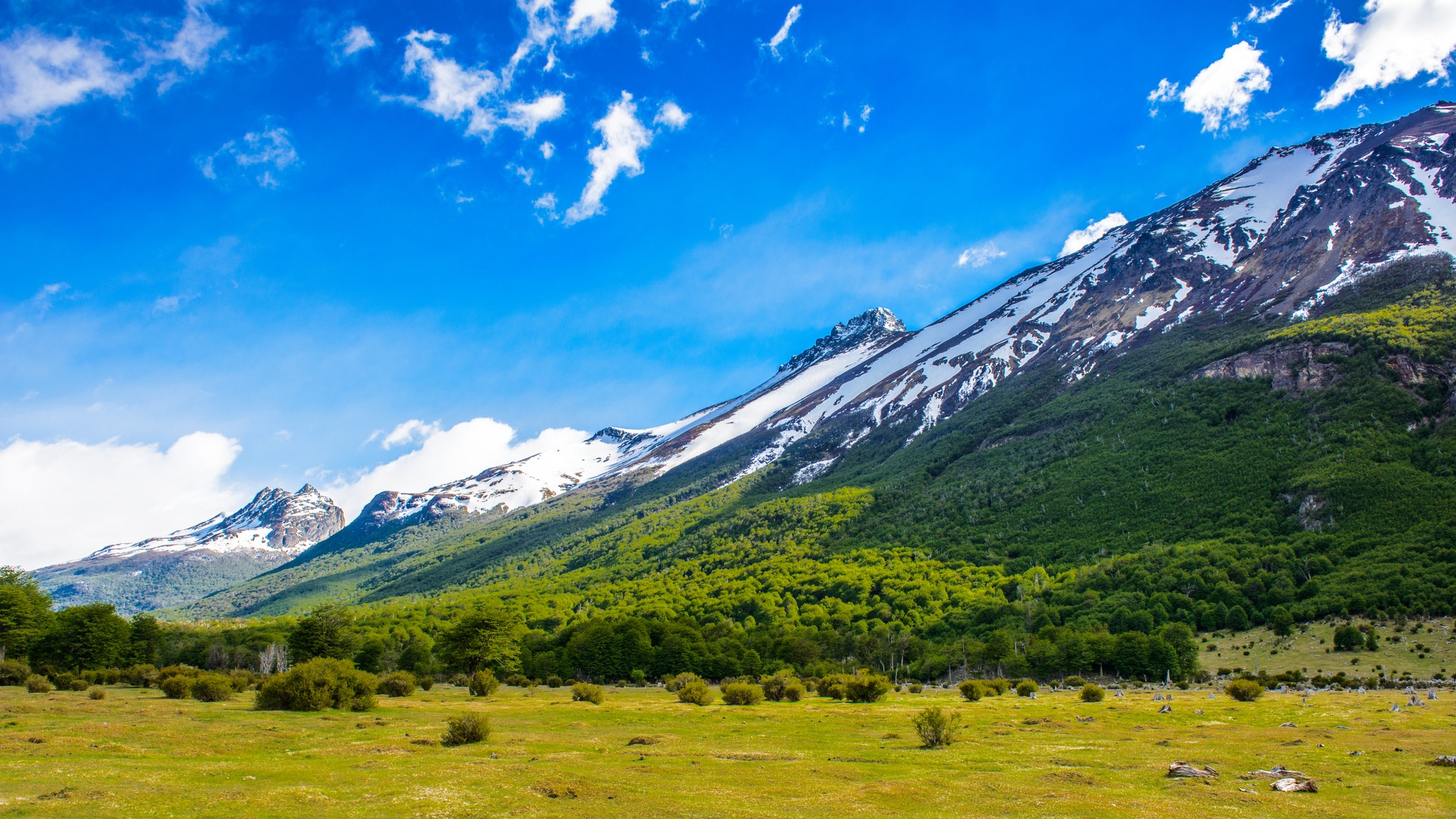
Parc national de Tierra del Fuego
À 12 km d'Ushuaia, le parc national de Tierra del Fuego réunit forêts subantarctiques, tourbières et 6 km de côtes le long du canal Beagle.
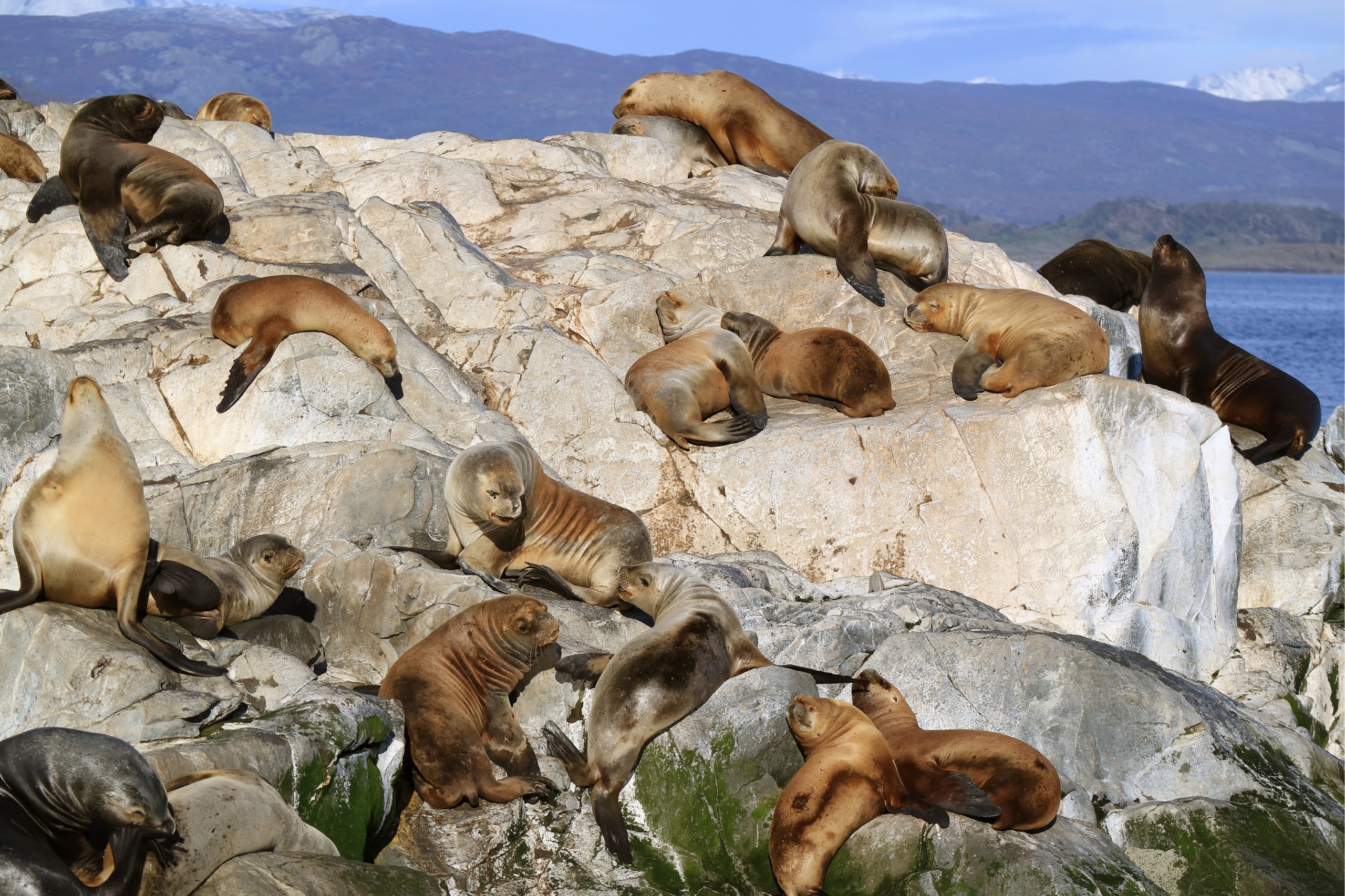
Ile los Lobos
Îlot artificiel du canal Beagle au large d'Ushuaia, l'Isla de los Lobos abrite des colonies d'otaries observables lors d'excursions en bateau.
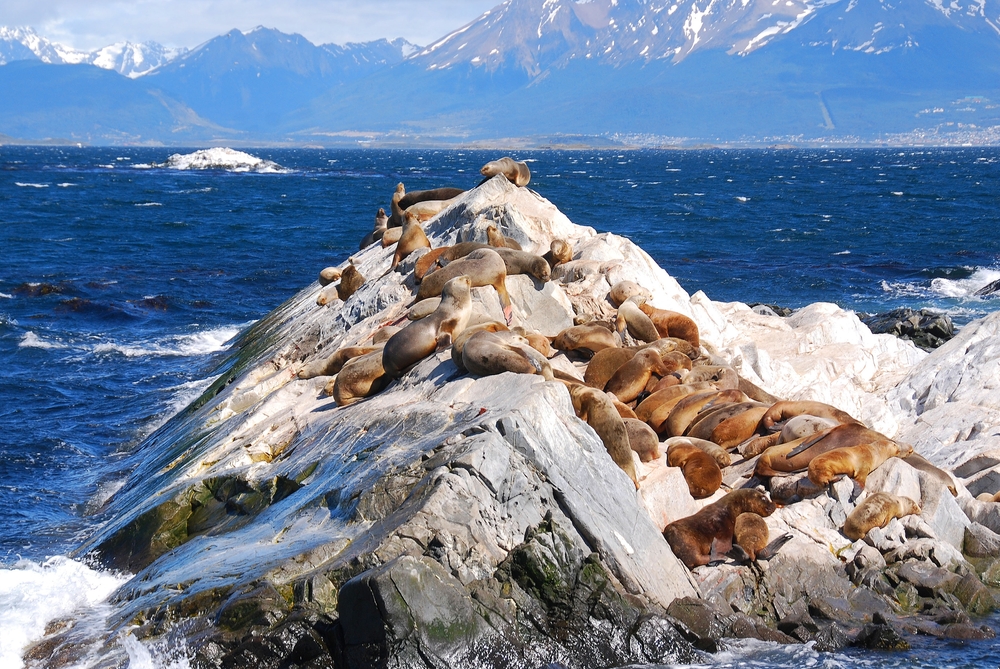
Canal Beagle
Le canal Beagle borde Ushuaia au sud et relie l'Atlantique au Pacifique entre Argentine et Chili.
Want to discover this destination?
Our local advisors design your tailor-made trip.