Alberto de Agostini National Park
Alberto de Agostini National Park
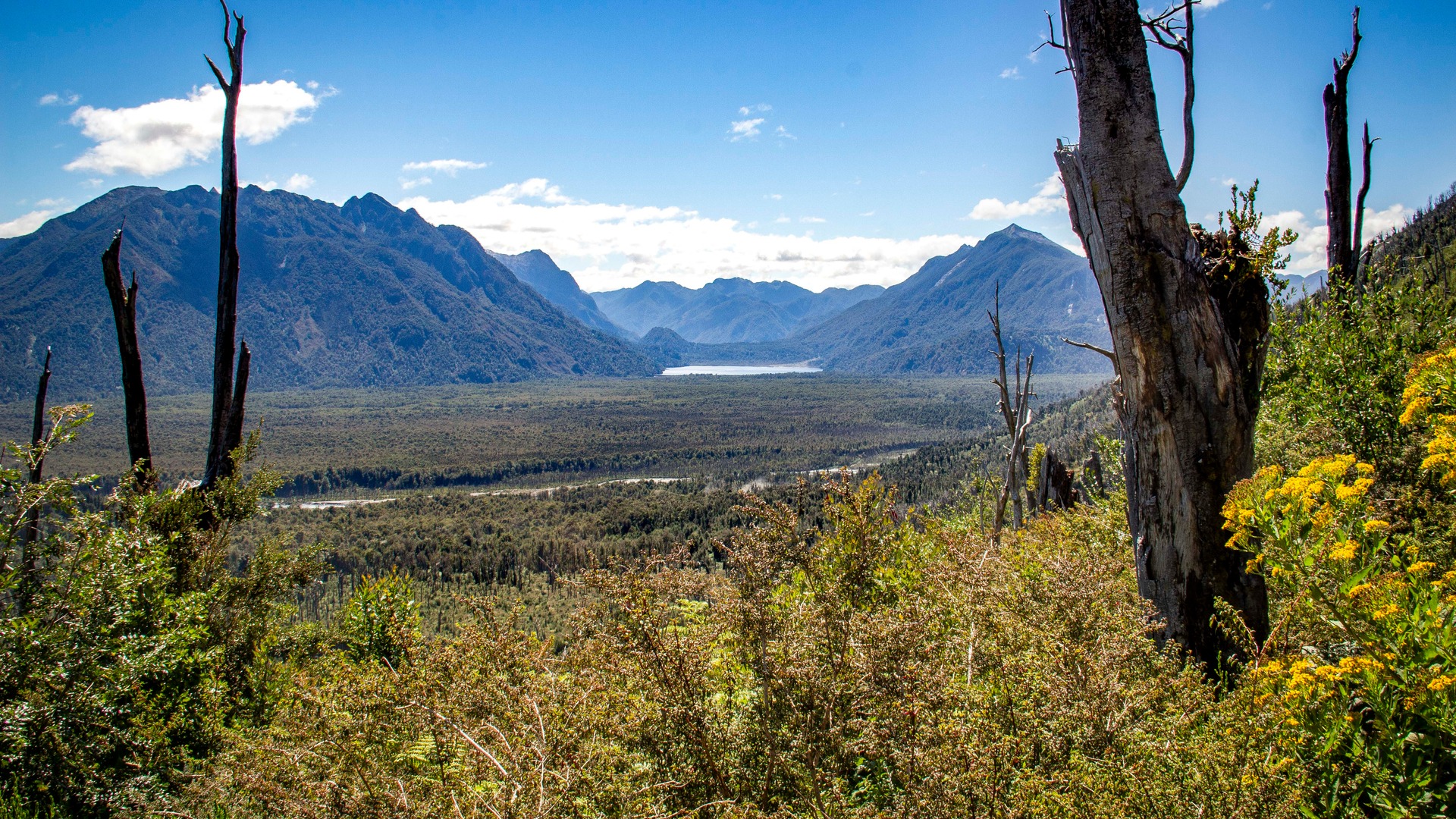
South of Punta Arenas, Alberto de Agostini National Park protects 1.4 million hectares of fjords and glaciers of the Darwin Range, accessible only by sea.
Prepare yourself for an adventure in the wild landscape at the end of the world.
Welcome to Alberto de Agostini National Park! This is a pristine enclave located at the southernmost tip of Chile. The spectacular fjords, ancient forests and exceptional biodiversity of the region are just some of the wonders to behold.
Its history
Alberto de Agostini National Park was created in 1995 in collaboration with Cape Horn National Park. It has been an integral part of the Cape Horn Biosphere Reserve since 2005. That same year, UNESCO granted it the status of Cabo de Hornos World Biosphere Reserve.
This natural sanctuary is named in honor of Father Salesian Alberto Maria De Agostini. A missionary, explorer, photographer and renowned Italian writer, he is recognized for his discoveries, photographs and maps of the region.
Charles Darwin was drawn to this region and explored it. He notably visited Murray Channel, where he encountered the indigenous Fuegian peoples. These include the Selk'nam, Haush, Manek'enk and Yaghan, who established their homes along the channel approximately 10,000 years ago. Their historical importance is revealed through their crucial contribution to the theory of human evolution formulated by the scientist. Remarkable areas of the park such as Agostini Fjord were only explored recently, over the course of the last century.
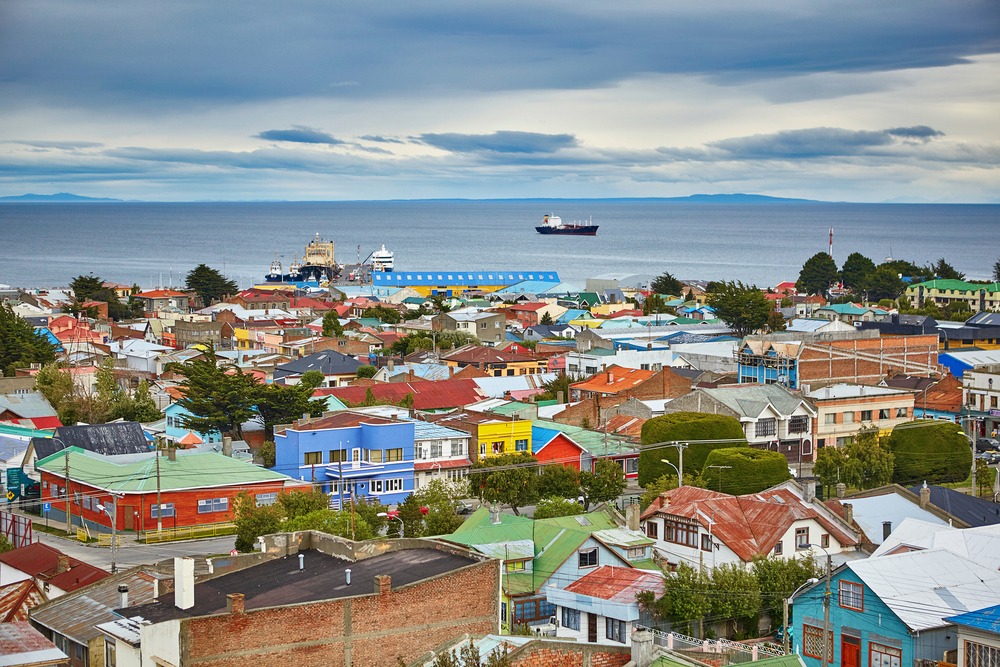
Embark on adventure at Alberto de Agostini National Park from Punta Arenas
For travelers seeking an uncommon exploration, Alberto de Agostini National Park represents a hidden gem in the heart of Chilean Patagonia. It is the ideal destination for groups wishing to venture off the beaten path. It offers a peaceful immersion in the pristine nature of Tierra del Fuego.
Located approximately 148 km southwest of the Municipality of Punta Arenas and west of Puerto Williams, in the Magallanes and Chilean Antarctic region, this vast territory spans over 1,460,000 hectares. It even ranks third among Chilean parks. It includes territories of the provinces of Magallanes, Tierra del Fuego and Chilean Antarctica. The park's biome is subpolar oceanic in nature.
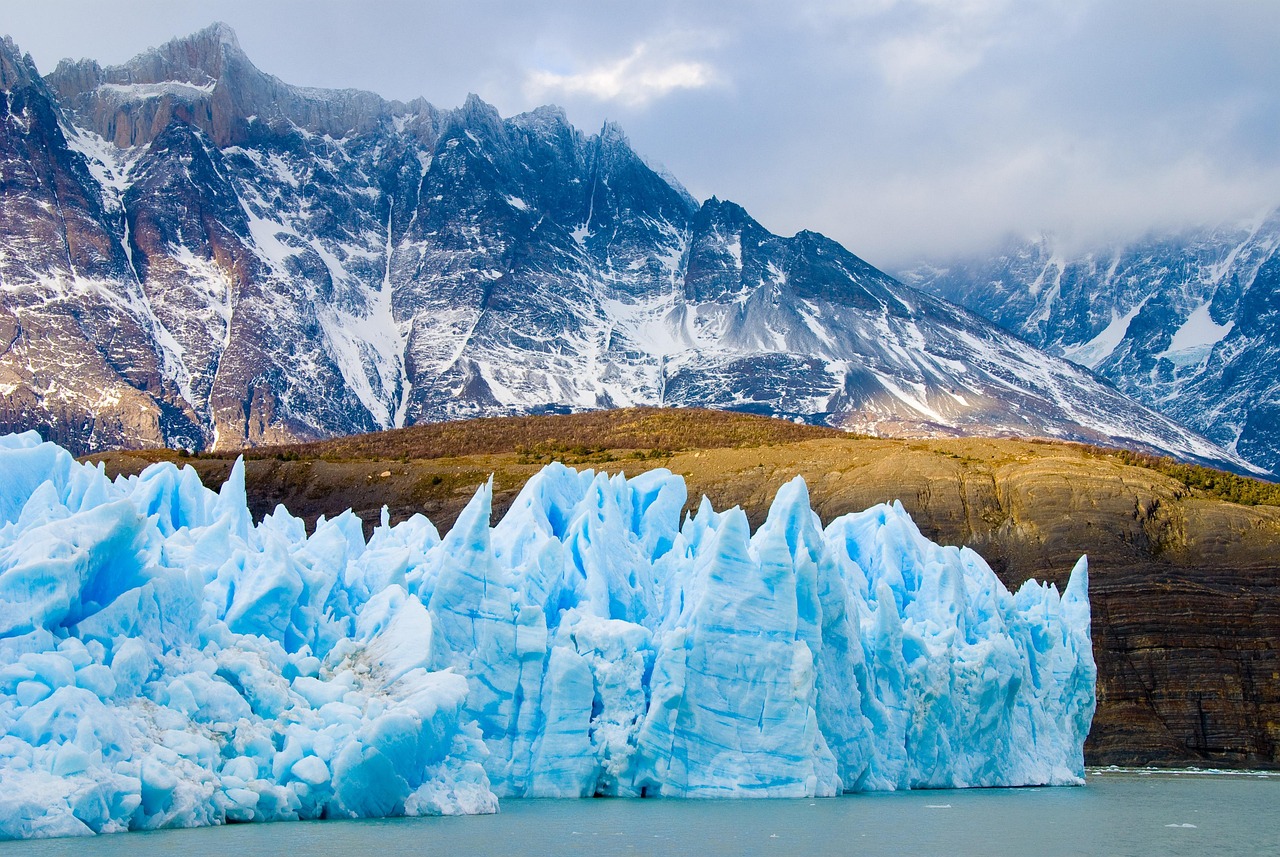
Among its natural treasures, discover the Agostini and Marinelli glaciers, as well as tidewater glaciers, steep fjords and Gordon, Cook and Londonderry islands, plus part of Hoste Island. For climbing enthusiasts, Mount Darwin, rising to 2,429 m, offers a rewarding ascent, as does the spectacular Mount Sarmiento.
Encountering the park's creatures
Wildlife thrives in the park, with a fascinating diversity of species. Among them, you will likely spot the culpeo fox, chilla fox, leopard seal, dolphins, whales, sea lions, southern elephant seal, Peale's dolphin and Chilean dolphin. The park's skies and waters also welcome 49 bird species, both terrestrial and marine. Among others, the Andean jackal and Argentine fox prowl. Exploring Gordon Island or the Tucker islets, you will have the chance to encounter Magellanic penguins.
It is in the surrounding waters that white-bellied and Peale's dolphins, sea lions and sea otters dwell. On the shores, observe leopard seals, fur seals and southern elephant seals.
Marinelli Glacier creates a fjord with a colony of endangered southern elephant seals in the background, accompanied by leopard seals, sea lions, chungungo otters, whales and dolphins.
A botanical discovery
A living and varied ecosystem shapes these preserved lands. Virgin Coihue forests cascade down to the fjords, sculpted by powerful winds. This vegetation provides shelter for canelo, cypress, lenga and Ñirre trees. A lush understory abounds with fungi, mosses and lichens. Alongside Magellanic tundra flourish colorful species such as water pennywort, orchids, coicopihue, chaura and anemones.
What to see on site
Several natural attractions await your visit in the reserve:
- Agostino and Marinelli glaciers are world-renowned marvels due to their imposing size. Here, glaciers, rather than crowning summits, extend in thick layers through mountain valleys.
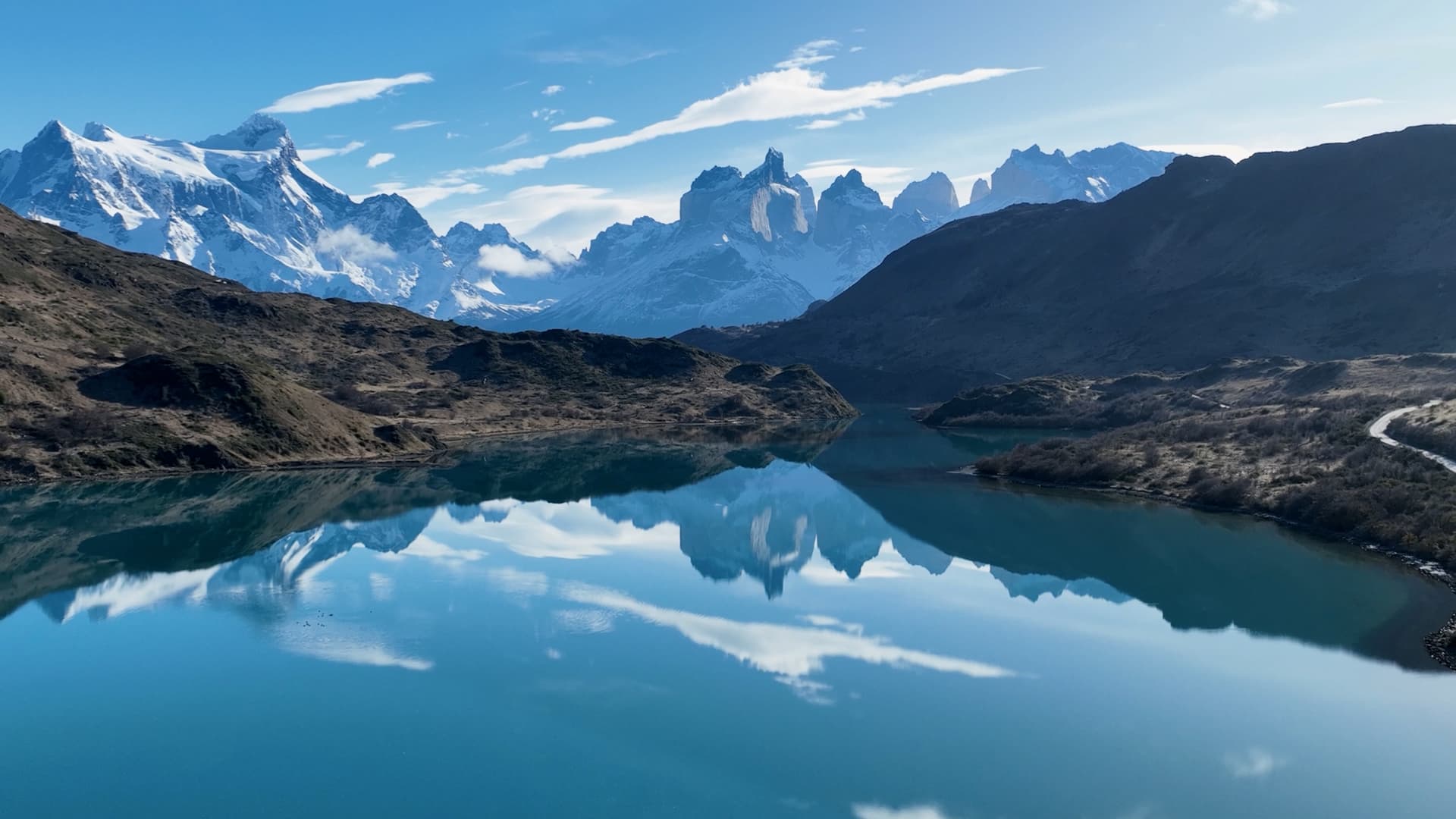
- The Darwin Range ridge dominates the landscape as you slowly approach the ocean coast.
- As you explore the park, take time to admire the breathtaking view of the Beagle Channel. The local fjords, channels, and iconic glaciers, including Tidewater Glacier, are essential features that contribute to the park's renown.
Its climate
The region's climate is subpolar in nature. This means it is cold, humid and windy. Tierra del Fuego, where this reserve is located, experiences extreme weather conditions.
How to get there?
The park is accessible only by sea. Daily, many boats depart from Punta Arenas to Puerto Williams via the Beagle Channel. You can also take a flight to Puerto Williams from Punta Arenas, then a boat.
Interested in this visit?
We can include it in your personalised itinerary.