Sarmiento Lake
Sarmiento Lake
In the heart of Torres del Paine park, Sarmiento Lake is home to thrombolites, living fossils formed over 10,000 years. Access guide from Puerto Natales.
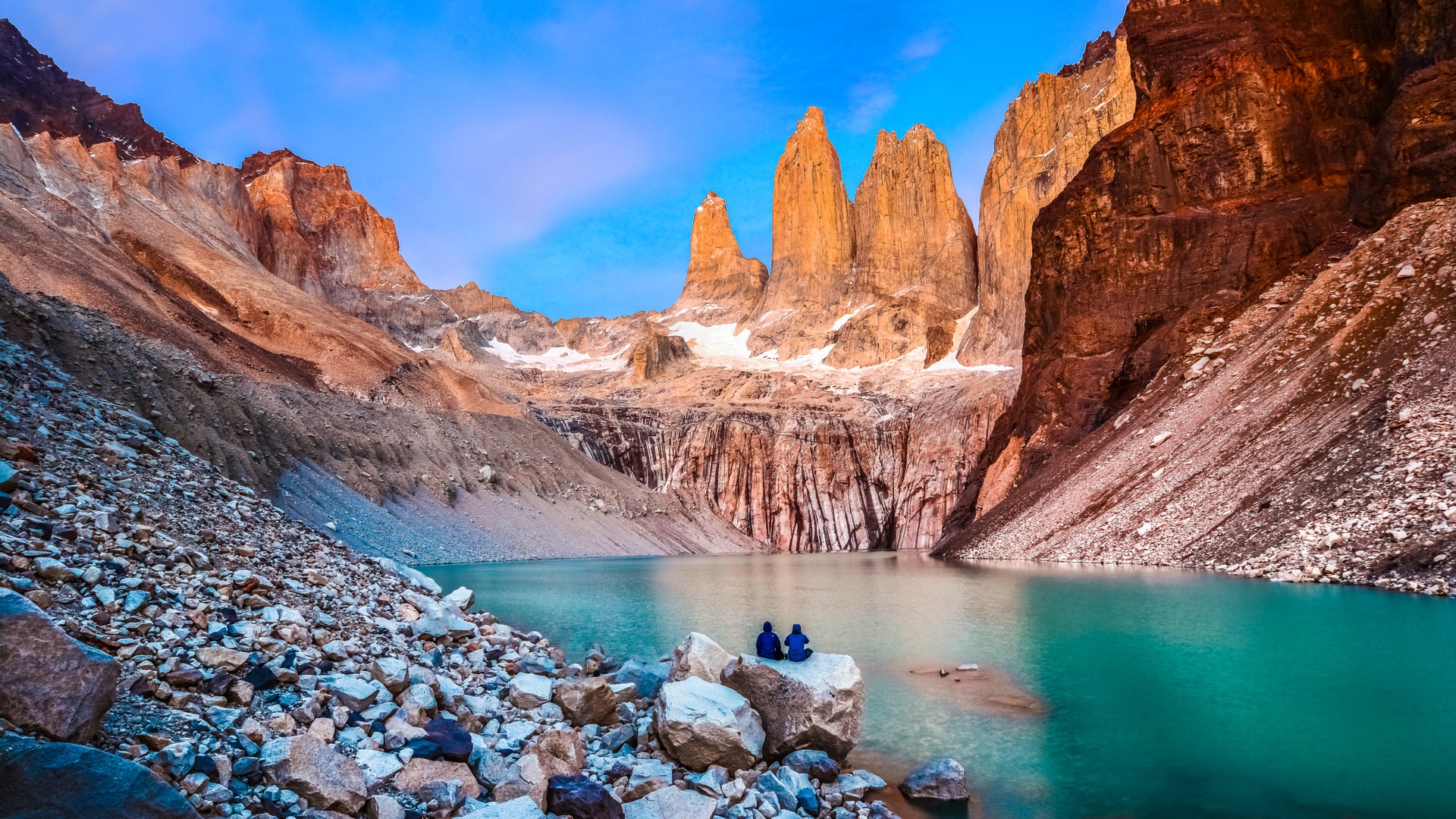
Sarmiento Lake is one of the jewels of Chilean Patagonia. Part of Torres del Paine National Park, it represents an unmissable natural site for nature lovers and ecotourism enthusiasts. This lake is not only a prime attraction for explorers and photographers, but it also holds fascinating geological secrets and diverse landscapes that have earned it its reputation. Whether you're a nature enthusiast or simply a visitor in search of adventure, Sarmiento Lake will captivate you.
Origin and general characteristics
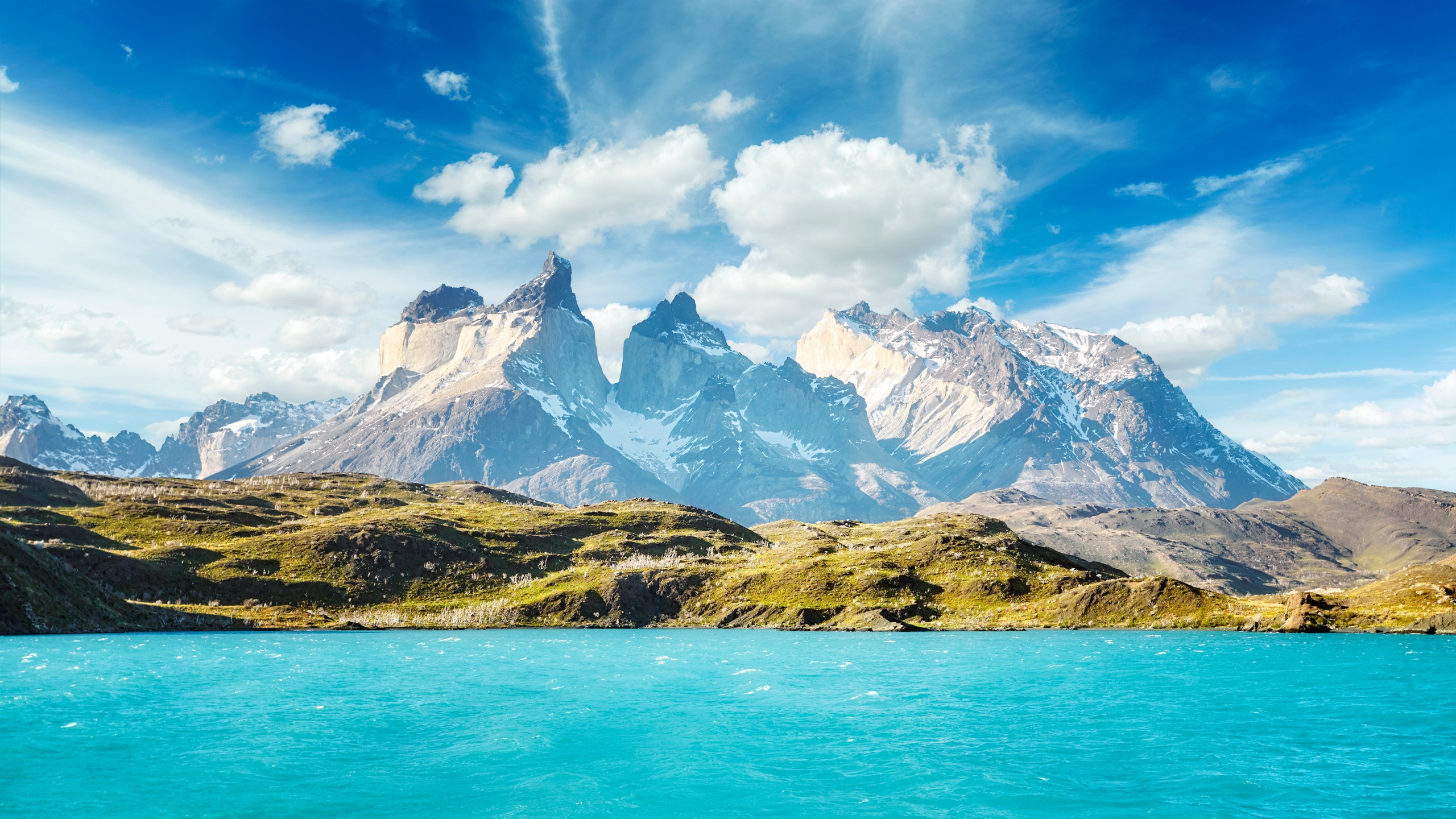
This lake, named in honour of Spanish explorer Pedro Sarmiento de Gamboa, renowned for his explorations in the Strait of Magellan, stands out for its striking beauty and unique geological formations. Unlike other lakes in Torres del Paine park, which are primarily of glacial origin, Sarmiento Lake owes its creation to successive precipitation. This process gives it a deep blue hue. With an estimated surface area of between 86 and 90 km², an elongated shape, and a maximum depth of 310 metres, it is one of the largest bodies of water in the park, after Lake Toro.
One of the most fascinating characteristics of Sarmiento Lake is the presence of spectacular white formations on its shores. These structures, called thrombolites, are deposits of calcium carbonate formed by colonies of cyanobacteria or blue-green algae. Considered living fossils, they began forming around 10,000 years ago, during the last glacial period. Their growth is extremely slow, not exceeding one millimetre per year. Some thrombolites visible on the lake's shores today reach two metres in height, bearing witness to a millennia-long process.
These formations, often compared to corals or stalagmites, result from a delicate balance between climatic conditions, water salinity and the geography of the lake. Indeed, Sarmiento Lake is a closed basin with no incoming rivers or streams, where evaporation exceeds precipitation. This dynamic contributes to the progressive exposure of thrombolites as the water level drops.
Climate
The climate around Sarmiento Lake is typically Patagonian: variable, cool and windy. Summers are relatively short and can reach temperatures of up to 15°C. Winters are cold, with temperatures often below freezing.
The best time to visit the lake is during the summer months, from November to March, when weather conditions are more favourable, although powerful winds can be a challenge even in summer. It's also worth noting that the region's climate can be unpredictable, so proper preparation is essential.
Fauna and flora around Sarmiento Lake
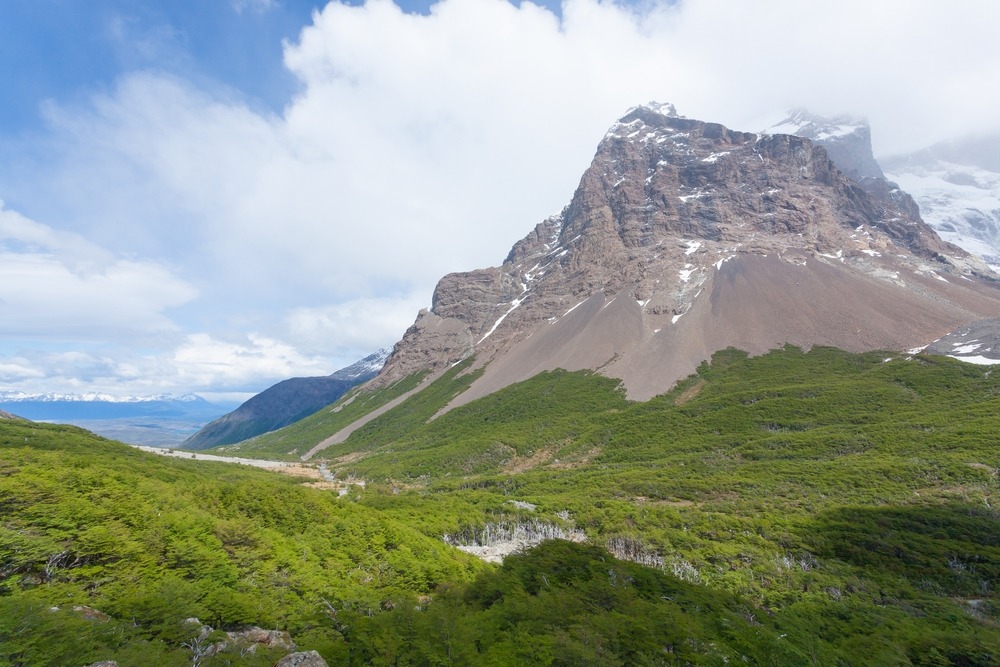
Although Sarmiento Lake itself is a relatively hostile place due to its mountainous environment and harsh climate, it is home to varied fauna and flora, characteristic of Patagonia. The area around this lake is a transition zone between subantarctic forests and the typical steppes of the region.
Birds are particularly prevalent, notably ducks, upland geese and black-necked swans. Condors, these majestic raptors, often soar above the surrounding cliffs and mountains. Visitors may spot a few colonies of guanacos. With luck, it's also possible to observe the puma, the region's great predator. Furthermore, in the lake, you can discover certain local fish species, such as brown trout (salmo trutta fario).
The lake and its surroundings also provide a habitat for rich plant biodiversity. Grassy meadows, shrubs and forests of lenga and coihue are remarkable here. These plants offer ecological niches for local animals and add unique beauty to the landscapes.
Sarmiento Lake is accessible from the village of Puerto Natales, the starting point for many excursions to Torres del Paine National Park. The main road leading to the park is well-maintained, and several transport options are available.
By car
For those coming by car from the entrance to Torres del Paine National Park, take Route 9 heading south until you spot the sign indicating Lago Sarmiento. It is located approximately 20 km from the park entrance. Then follow the gravel road leading to the lake. Travel approximately 10 km to reach the viewpoint offering a breathtaking panorama of the body of water.
It is important to note that vehicle access is limited. It is therefore necessary to walk a little while exercising caution and stability to explore this region. This area can indeed pose challenges due to the large shrubs.
By public transport
From Puerto Natales, take a bus heading to Torres del Paine National Park, a journey that takes approximately two hours. Once there, you can access Sarmiento Lake via the shuttle service offered within the park. This service follows a set schedule, so it is recommended to check the timetables in advance. The shuttle will take you directly to the viewpoint offering a fine perspective of the lake. Don't forget to budget for park entrance fees.
By guided excursion
For those who prefer to explore Lago Sarmiento on foot, hiking trails provide access. From Refugio Torre Central, follow the signs leading to the lake trail. The walk, which takes approximately 2 to 3 hours depending on your pace, offers magnificent panoramas of the surrounding landscapes. Make sure to bring plenty of water and some snacks to fully enjoy your excursion.
Activities
The Sarmiento Lake region is a true playground for nature lovers, offering a range of outdoor activities. Here are some of the best ways to discover this natural wonder:
Hiking and trekking
Hiking is the signature activity around Sarmiento Lake. Its surroundings are crossed by several trails that allow you to appreciate the beauty of the landscape in a privileged way. The paths lead you along the shores of the lake, offering stunning views of the surrounding mountains. There are routes for beginner hikers as well as for more experienced ones.
Wildlife and flora observation
Visitors can take leisurely walks around the lake while observing local wildlife and flora. It's an ideal spot for ornithology enthusiasts, particularly for spotting flamingos and other bird species. Hikers can also discover mammals such as the guanaco, an emblematic animal of the region, often spotted in the surrounding grasslands.
Photography
Sarmiento Lake is a favourite location for photographers due to its breathtaking landscapes. The soft light of Patagonia, especially at sunrise or sunset, transforms the lake into a perfect mirror, reflecting the mountains and limestone formations that stand around it. It's the ideal place to capture spectacular images of the landscape.
Nearby
Interested in this visit?
We can include it in your personalised itinerary.