Villa O'Higgins
Villa O'Higgins
At the end of the Carretera Austral, Villa O'Higgins opens the gates to the Southern Patagonian Ice Field and the mythical crossing towards El Chaltén.
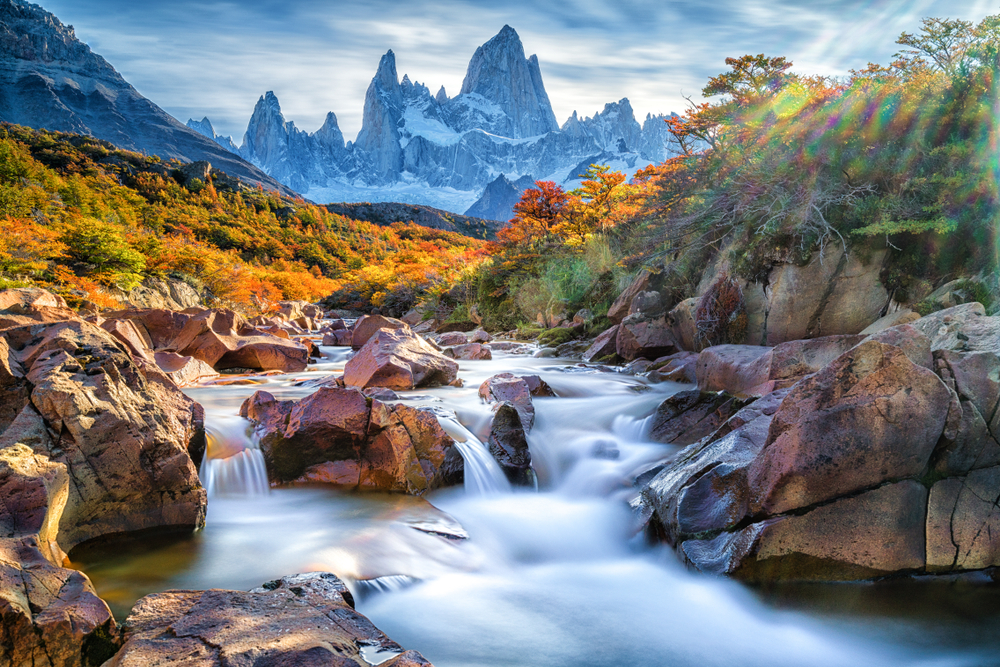
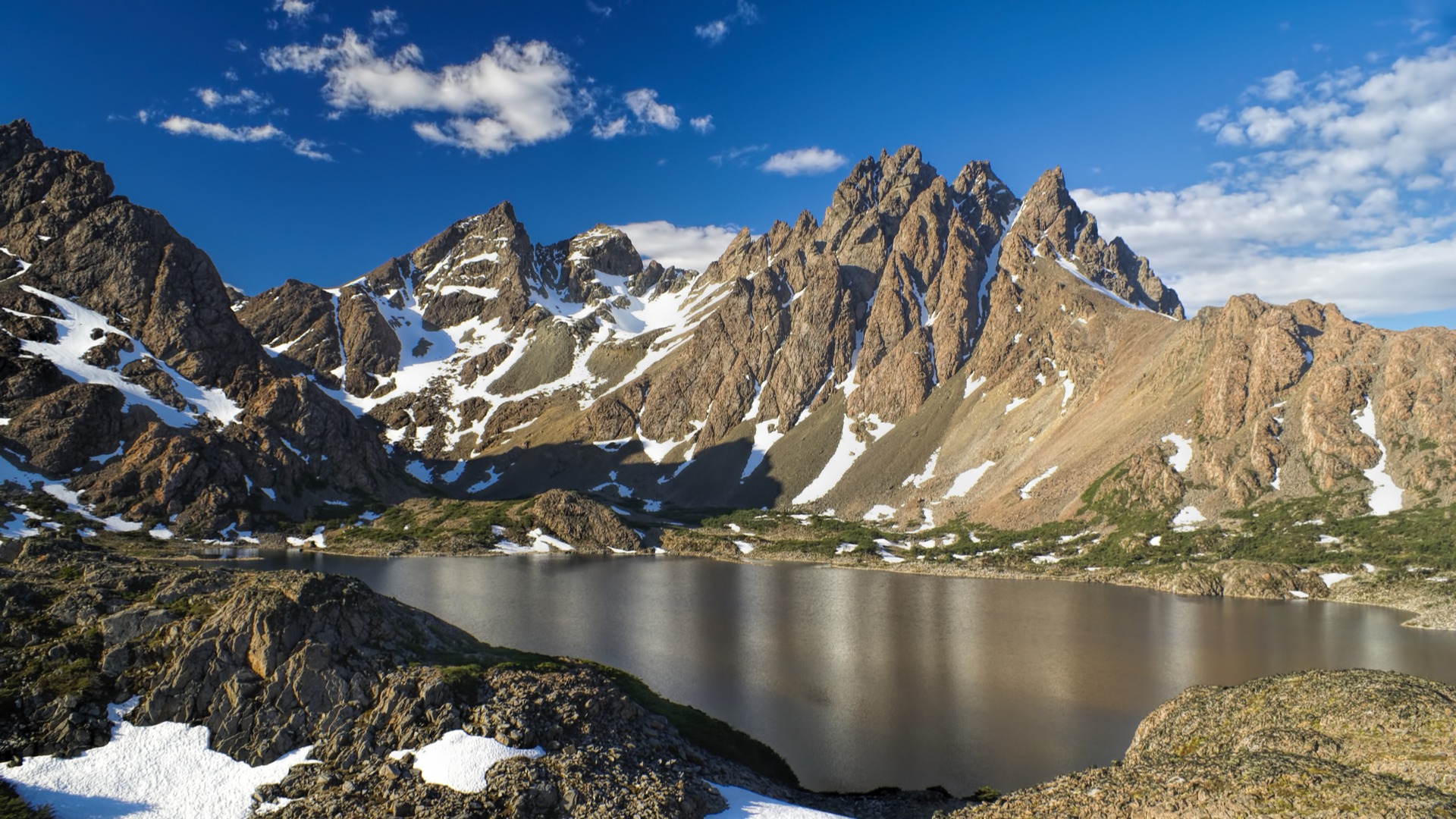
Nestled in the heart of Chilean Patagonia, Villa O'Higgins is a destination as enchanting as it is remote, perched at the southern terminus of the legendary Carretera Austral. Located in southern Chile within the Aysén region, this small isolated town, surrounded by majestic mountains, turquoise lakes, and imposing glaciers, embodies the very essence of untamed wilderness. A hidden paradise for lovers of vast open spaces and adventurers seeking serenity, Villa O'Higgins offers an authentic experience far from the beaten path. Whether you're a hiker, photographer, or simply curious traveler, this destination is an adventure you'll never forget.
History
The region around Villa O'Higgins captured the interest of explorers as early as the 19th century. Francisco Moreno's expedition in 1877 stands out, followed by Hans Steffen's journey in 1889 to the outlet of Lake O'Higgins. This territory was subsequently divided between Chile and Argentina in 1902 through British arbitration, marking the beginning of an international boundary. The first settlers arrived in 1941, but Villa O'Higgins was not officially founded until 1966. It was named in honor of Bernardo O'Higgins, a Chilean independence hero and the nation's first president.
The founding of the town aimed to strengthen Chile's presence in this isolated region and foster local development. Over the years, Villa O'Higgins consolidated through the distribution of property titles to settlers, the establishment of a primary school, the opening of a health clinic, and the construction of subsidized housing. A gymnasium was also built to enhance residents' quality of life.
The town achieved a major milestone with the launch of electricity production in 1983, a turning point for its development. Today, Villa O'Higgins stands as a strategic base for scientific expeditions and tourism in this wild corner of Patagonia.
Climate
Villa O'Higgins features an oceanic climate characterized by pleasant yet very windy summers and cool winters. Rainfall is distributed throughout the year, contributing to the region's lush greenery. Weather conditions can be unpredictable, with rapid changes, requiring adequate preparation for visitors.
Several options are available for reaching Villa O'Higgins:
By Car
The primary access to Villa O'Higgins is the Carretera Austral, a legendary route that winds through lush forests, glacial valleys, and deep fjords. This town marks the end of this road. It lies approximately 220 km south of Cochrane and 550 km from Coyhaique. Villa O'Higgins also marks the beginning of Chile's Southern Ice Fields.
By Boat
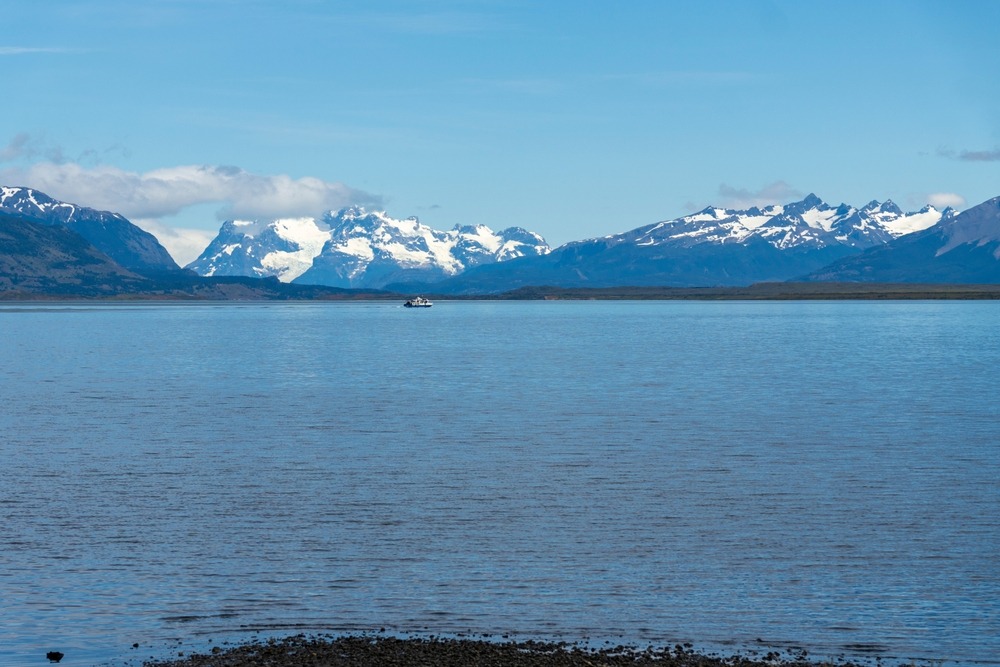
Another option is to reach the town by boat via Lake O'Higgins, departing from the port at Bahia Bahamondas, 7 km to the south, or from Candelario Mancilla, a point on the Argentine border. This crossing offers spectacular views of glacial waters and surrounding peaks.
By Plane
For time-pressed visitors, a small local airport connects O'Higgins to regional destinations like Coyhaique. Flights take approximately 1 hour 15 minutes.
By Bus
There are no direct public transportation connections between Coyhaique and Villa O'Higgins along the Carretera Austral. However, several options allow you to reach this destination by combining different itineraries. You can choose from:
- The Coyhaique – Cochrane – Villa O'Higgins route
- The Coyhaique – Cochrane – Tortel – Villa O'Higgins route
- The Chile Chico – Cochrane – Villa O'Higgins route
Regular bus services connect Cochrane to Villa O'Higgins three times weekly (Monday, Wednesday, and Friday). Departures occur early in the morning, around 8:30 AM. The journey takes approximately seven hours. Additionally, buses also run to Caleta Tortel, specifically catering to tourists, though this option is slightly more expensive.
By Bicycle
The Carretera Austral attracts many cyclists, though the journey is demanding and requires great perseverance. To reach or leave Villa O'Higgins, most cyclists choose to cross Lago Desierto by ferry, then take an excursion boat on Lago O'Higgins. Some adventurous travelers even continue beyond, heading toward Argentina, after reaching Villa O'Higgins.
What to See and Do in Villa O'Higgins
Villa O'Higgins is surrounded by spectacular natural landscapes that draw outdoor enthusiasts and adventure seekers. Here are some of the main activities and attractions in the region:
Visit the Museo Padre Antonio Ronchi
The Museo Padre Antonio Ronchi, located at the heart of Villa O'Higgins, is a fascinating small museum housed in a former church directed by Father Antonio Ronchi. He played a major role in the region's social development, serving not only as a place of worship but also as a food distribution center for residents.
The museum showcases the history of pioneers and the gradual settlement of the first colonists in this harsh territory. Inside, you'll find period objects related to village life, such as:
- Radios used for communication
- The priest's clothing
- Information about Ronchi's social work
While most exhibits are in Spanish, some are also available in English. Admission is free, and hours can be obtained at the tourist office located directly opposite.
Explore Bernardo O'Higgins National Park
Bernardo O'Higgins National Park, Chile's largest, hosts incredible biodiversity and varied landscapes. Glaciers, fjords, pristine forests, and mountains make this park an unmissable attraction. You can admire the O'Higgins Glacier, a natural wonder accessible by boat.
Hiking and Trekking on Wild Trails
Villa O'Higgins is an ideal starting point for memorable hikes. Among popular trails are:
- Mirador Villa O'Higgins, offering panoramic views of the town, valley, and surroundings
- Sendero Mosco Glacier, a demanding trek leading to an impressive hanging glacier
- Sendero Altavista, crossing the Rio Mayer and leading to the shores of Ciervo Lake, a few kilometers south of town
- Sendero Cerro Submarino, a hike towards Submarino Glacier
Cruise on Lake O'Higgins
Recognized as the deepest lake on the American continent, with depths reaching approximately 836 meters, it is shared between Chile and Argentina. A cruise on the lake allows you to approach closely the glacial walls of O'Higgins Glacier and admire floating icebergs.
Discover O'Higgins Glacier
You can also admire the magnificent O'Higgins Glacier from the town. It actually forms the base of the Southern Patagonian Ice Field. This glacier is located within Bernardo O'Higgins National Park and flows directly into Lake O'Higgins.
If you prefer not to use an excursion boat to see O'Higgins Glacier up close, it's also possible to access it via a four-day hike. The route begins at the Candelario Mancilla border post on the opposite shore and takes you east along the lake's banks toward the glacier.
Wildlife Watching
The Villa O'Higgins region is home to diverse wildlife. It's not uncommon to spot majestic condors soaring across the sky, guanacos grazing on plains, or gray foxes venturing near trails.
Moreover, the waters of Lake O'Higgins are also teeming with trout, attracting sport fishing enthusiasts. It's recommended to inquire about permits and various fishing opportunities directly on site.
Want to discover this destination?
Our local advisors design your tailor-made trip.