Lake Region
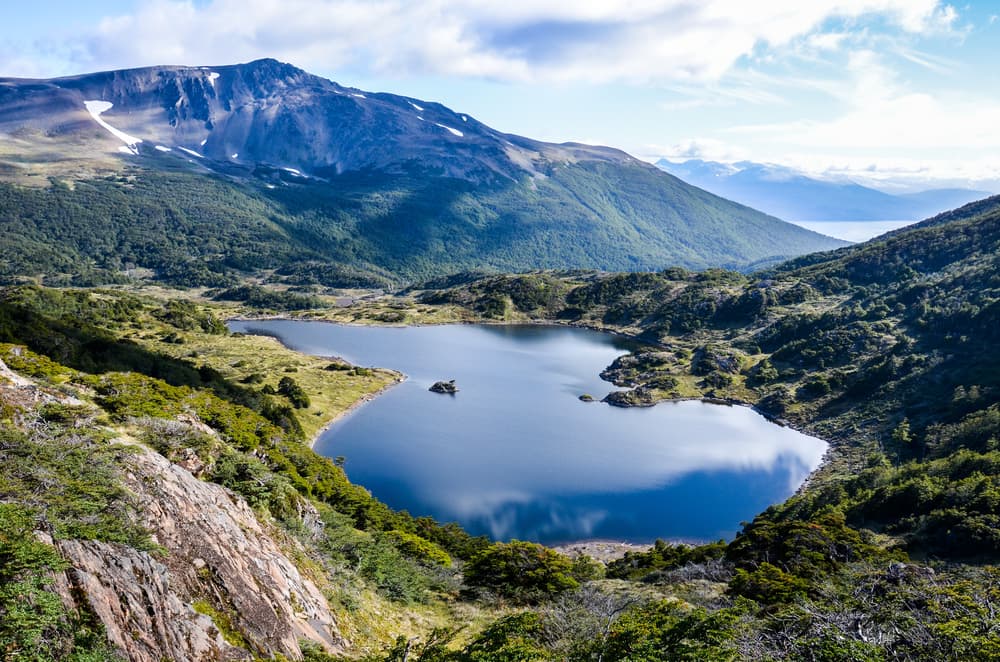
Straddling Argentina and Chile, the lake region aligns active volcanoes, araucaria forests and villages of German origin, at 22°C at the height of summer.
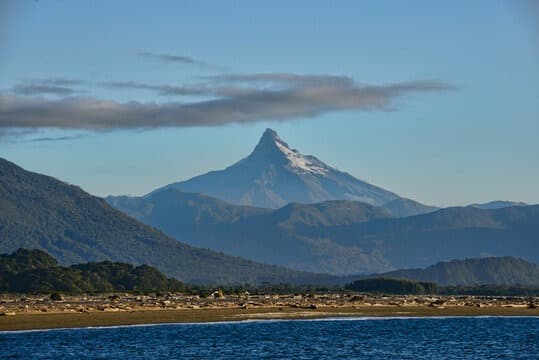
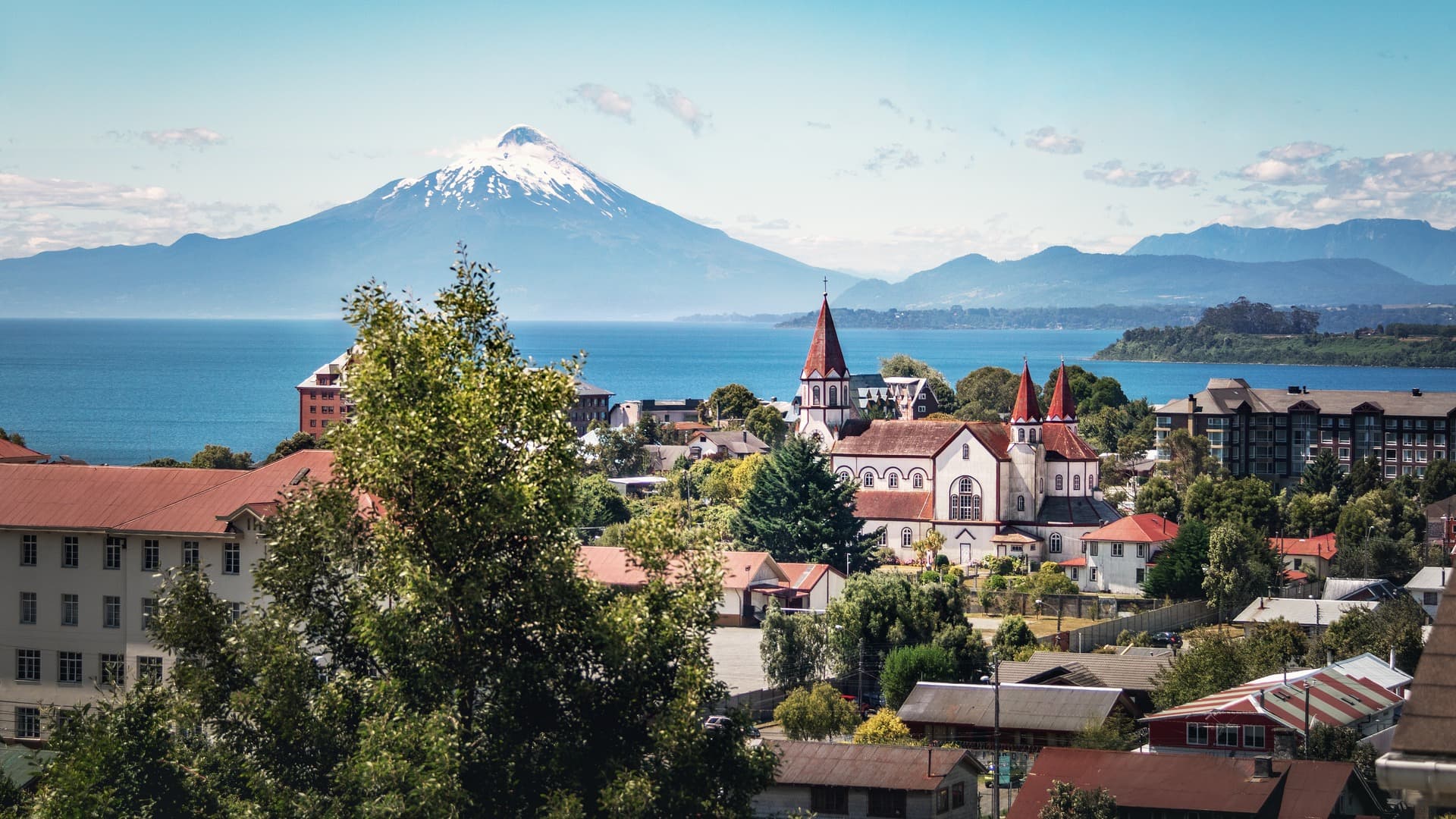
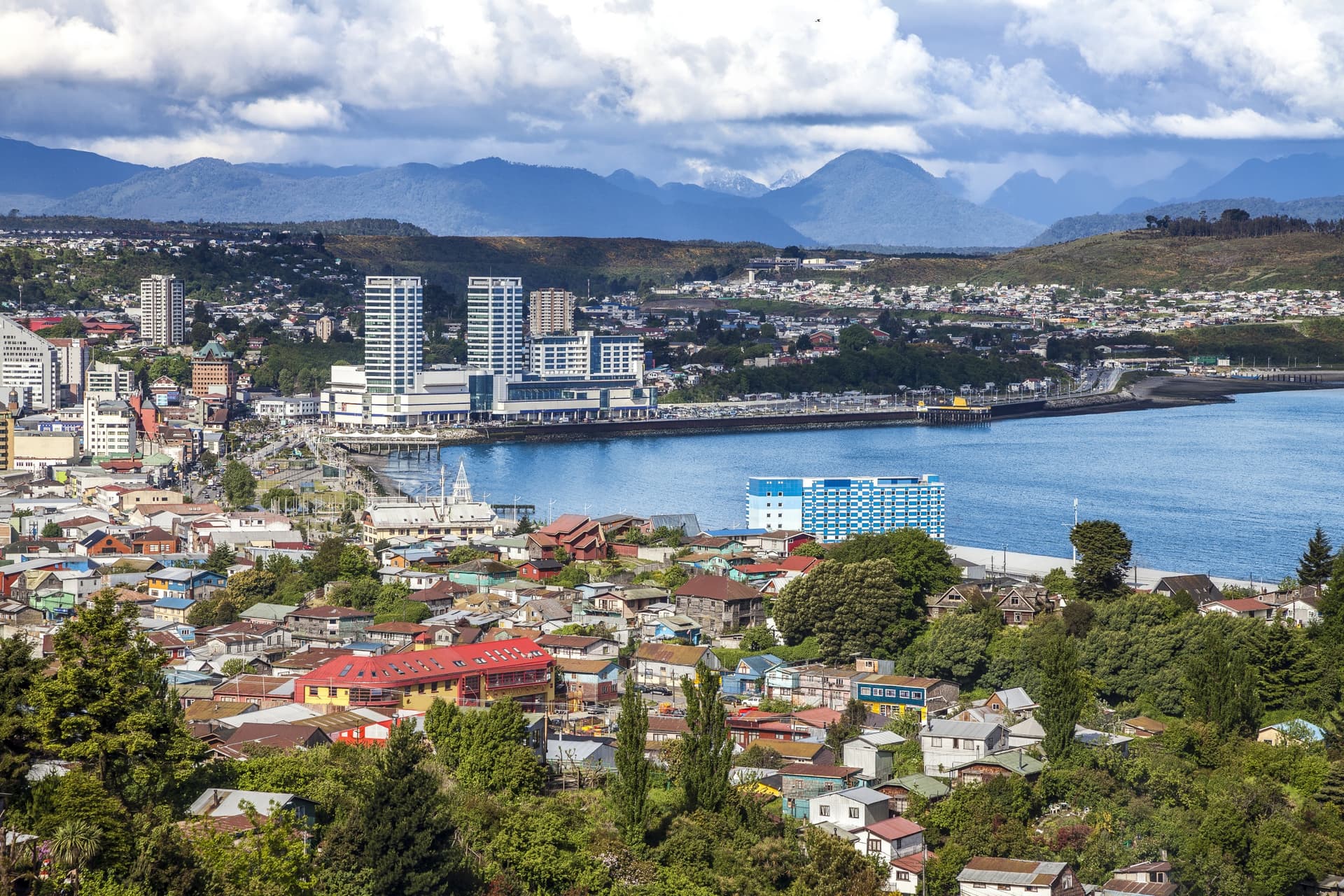
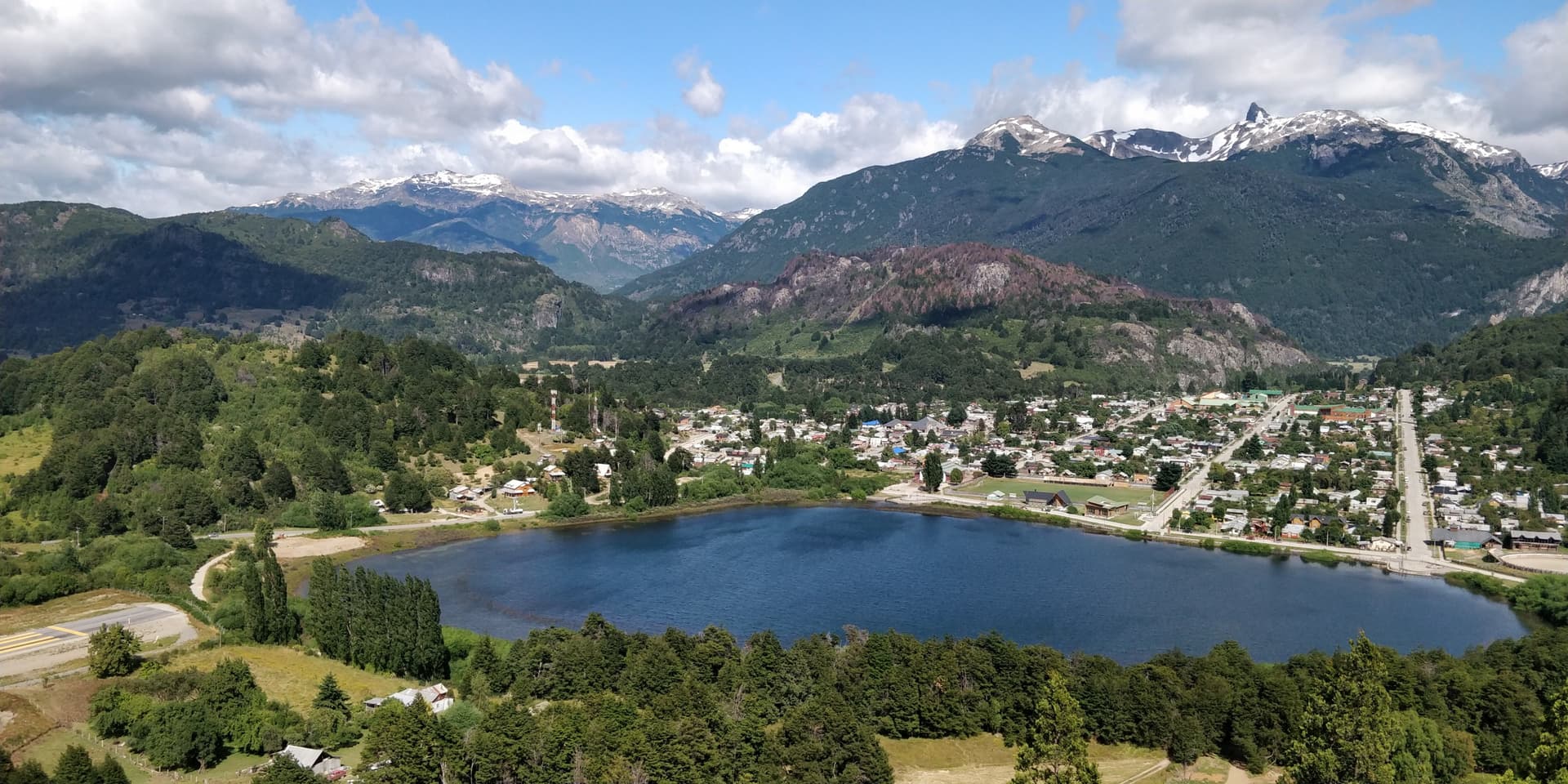
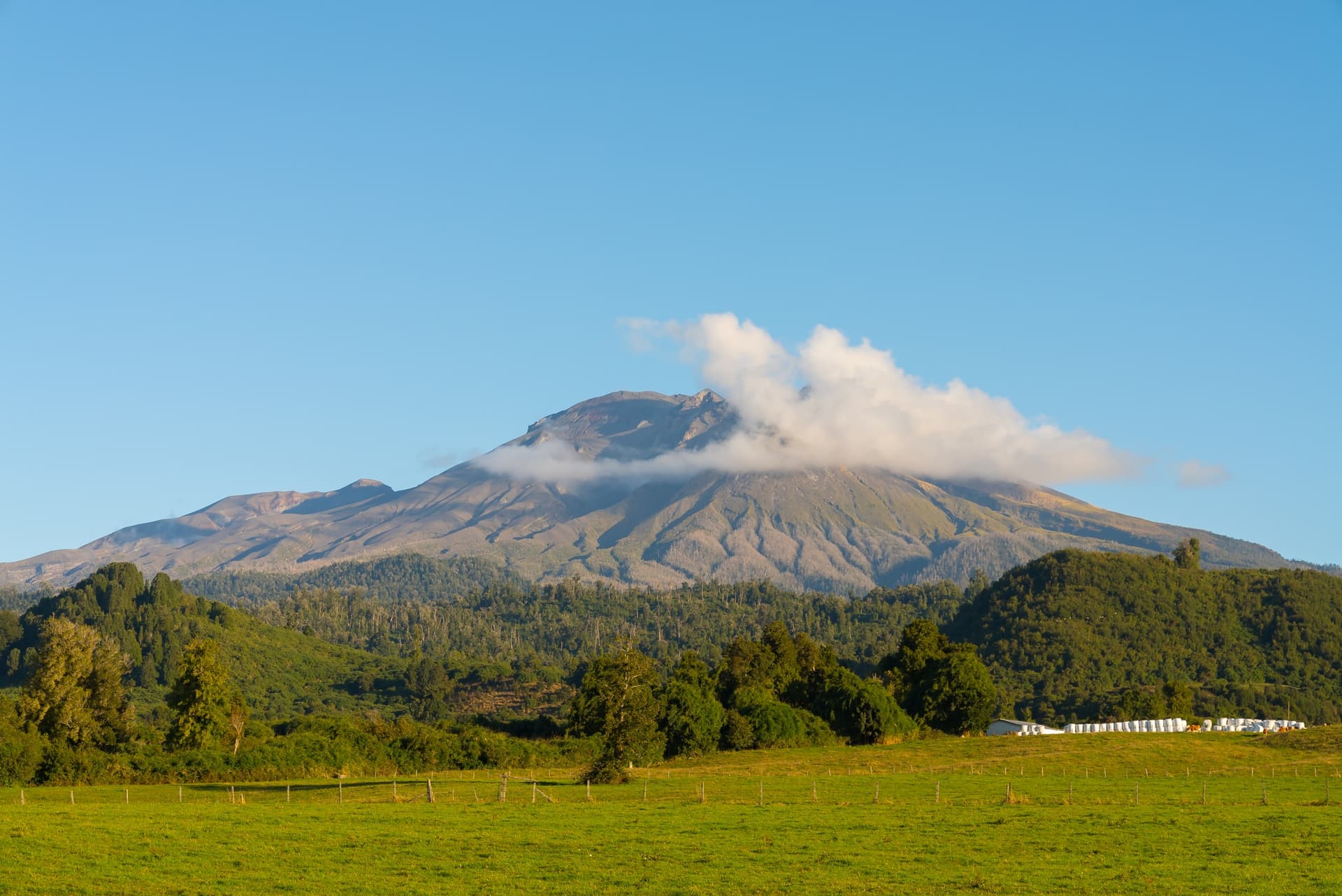
The lake region forms the northern hinge of Patagonia, spanning the Argentine-Chilean border between the 39th and 42nd parallels south. On the Argentine side, San Carlos de Bariloche, perched on the southern shore of Nahuel Huapi Lake, is its unofficial capital. On the Chilean side, Puerto Varas overlooks Llanquihue Lake with the regular cone of Osorno volcano (2,652 m) as a backdrop. Further north, Pucón nestles in the shadow of Villarrica, one of the continent's most active volcanoes, whose plume of smoke is visible from downtown on clear days.
The contrast with the dry steppe of southern Patagonia is immediate. Here, annual precipitation exceeds 2,000 mm on the Chilean slope, and Valdivian forest blankets everything: coihues, lengas, arrayanes with cinnamon bark, and further north the araucarias—umbrella-shaped conifers that can live for a thousand years. Nahuel Huapi National Park, created in 1934, is Argentina's oldest; on the Chilean side, Vicente Pérez Rosales and Villarrica parks protect the same lacustrine and volcanic ecosystems.
The region bears a distinctive mark of European immigration. Bariloche was shaped by German, Swiss and Italian families who arrived between 1890 and 1930, which explains the wood and stone architecture of the civic centre, designed by Bustillo, and the local chocolate production along Mitre Avenue. In Puerto Varas and Frutillar, half-timbered houses and a classical music festival on the lakeshore testify to German colonization in the 1850s. In the background, the Mapuche people remain present, notably around Junín de los Andes and in rural foothill communities, with a cuisine where piñón—the araucaria seed—still holds a central place in food self-sufficiency.
Life revolves around water and wood. Fly fishing on the Limay, Chimehuin and Petrohué rivers, extensive livestock raising in the valleys, regulated forestry, and a long-established tourism economy: Bariloche welcomes both hikers in summer and skiers at Cerro Catedral between June and September. Gastronomically, you'll find smoked trucha (rainbow trout), ciervo (introduced red deer) in season, the Chilean curanto cooked underground in neighboring Chiloé, and the mate tradition passed hand to hand in mountain refuges.
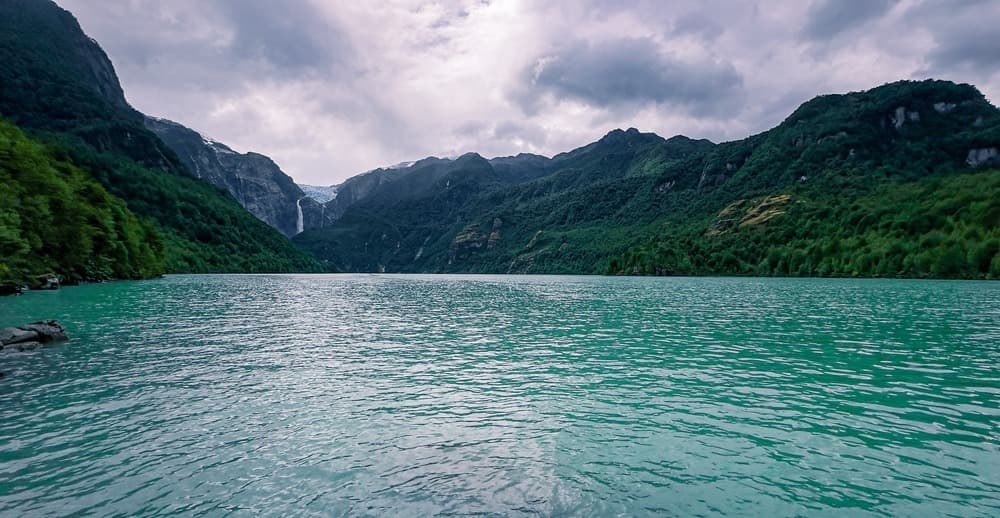
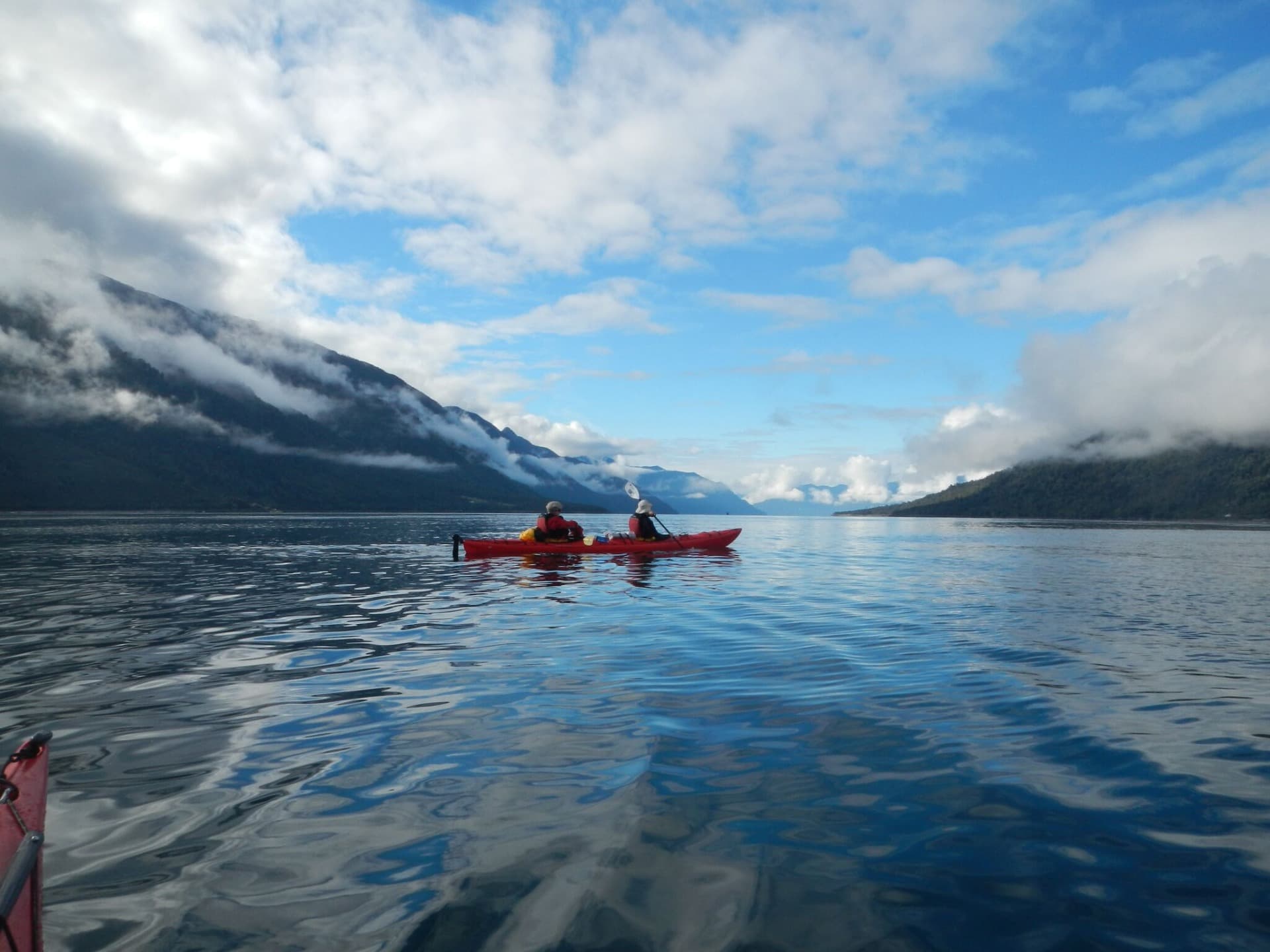
The region is also a geographical turning point. The Route of the Seven Lakes, 110 km of asphalt between Villa La Angostura and San Martín de los Andes, traces seven bodies of water whose hues shift from turquoise to slate depending on depth and light. Further south, the Cardenal Samoré pass and the dual-lake crossing at Pérez Rosales (a combination of bus and boat journeys between Bariloche and Puerto Varas, about 12 hours) allow you to move from Argentina to Chile without flying. To our knowledge, it's one of the few places in South America where the border is crossed by navigating two glacial lakes.
For our team based here, the lake region plays a particular role in crafting a Patagonian itinerary: it softens the journey. After the mineral harshness of Torres del Paine or the windswept steppe of Calafate, you find here clement temperatures, lively villages, fine dining and reasonable distances between stops. It's also the region that opens Patagonia to families and travelers who don't want to walk eight hours a day.
Highlights
Circuit Chico around Bariloche. A 60 km loop along Nahuel Huapi, with a stop at Cerro Campanario (7-minute cable car, 360° views of the lakes and the Cordillera). Perfect for a first acclimatization day.
Villarrica volcano ascent. Guided climb of 5 to 6 hours from Pucón to the smoking crater at 2,847 m, crampons and ice axe provided. The summit overlooks the namesake lake and, on clear days, three other volcanoes.
Route of the Seven Lakes. 110 km between Villa La Angostura and San Martín de los Andes, to be covered over two days with a night in San Martín. Swimming stops at Espejo Lake and Falkner Lake in January–February.
Pérez Rosales Andean crossing. Argentina-Chile passage in a single day combining three lakes (Nahuel Huapi, Frías, Todos los Santos) and four boats. Arrival at Petrohué at the foot of Osorno.
Araucaria forests of Huerquehue Park. A 6-hour walk through ancient conifer forest east of Pucón, with three high-altitude lagoons and possible encounters with Mapuche families who still harvest piñón.
When to visit
The best window stretches from December to March, the southern summer. Temperatures in Bariloche range between 8°C at night and 22°C in the afternoon; high-altitude trails are snow-free and lakes are temperate enough (16–18°C) for brief swimming. January and February do concentrate Argentine and Chilean visitors; to avoid overcrowding around Bariloche and Pucón, we often direct travelers toward the first two weeks of December or the last two of March, when conditions remain stable.
Autumn (April–May) offers spectacular colours on the lengas, which turn red-orange, and low light appreciated by photographers, but the first snows can close passes by mid-May. Winter (June to September) is dedicated to skiing at Cerro Catedral and around Villarrica, with negative temperatures at night. Spring (October–November) remains rainy on the Chilean side, with 150 to 200 mm monthly in Puerto Varas, which complicates high-altitude hiking but suits fly fishing from mid-November onwards.
Practical information
We recommend a minimum of 5 days for a coherent approach on the Argentine side (Bariloche, Circuit Chico, Route of the Seven Lakes, San Martín de los Andes) and 6 to 7 days if you wish to cross into Chile and include Pucón or Puerto Varas. The main airport is Bariloche (BRC), with daily connections to Buenos Aires in 2 hours 15 minutes; on the Chilean side, you arrive at Puerto Montt (PMC), 20 minutes from Puerto Varas. Both airports are also accessible from Santiago.
The region logically combines with El Chaltén Fitz Roy and El Calafate glaciers via a domestic flight (Bariloche–El Calafate, 1 hour 45 minutes), allowing you to link lake serenity and great glaciers in a single journey. For travelers wanting to round out the trip with Chile, the Andean crossing by boat to Puerto Varas then opens the road to Torres del Paine via Puerto Montt. Comfort is high throughout the region: lakeside boutique hotels, fishing lodges, well-equipped mountain refuges. This is the area we prioritize for families with children, couples who want to day-hike without committed trekking, and contemplative travelers who prefer lake-side bivouacs to multi-hour approach marches.