Canal Moraleda
A southern sea channel between Chiloé and mainland Chile, the Moraleda Channel offers untouched fjords, abundant marine wildlife and Patagonian vistas accessible mainly by ferry or cruise.
The Moraleda Channel is an elongated sea strait separating the Chiloé archipelago and surrounding islands from mainland Chile in the Aysén region. These cold, deep waters form a natural corridor used by fishing boats, southern cruise ships and ferries serving isolated Patagonian communities. The channel concentrates remarkable marine fauna and the fjord landscapes characteristic of southern Chile.
What You'll See
The channel stretches between coastlines forested with Valdivian temperate rainforest and snow-capped peaks. The waters are home to Peale's dolphins, sea lions and, depending on season, humpback whales or fin whales. The shores, barely accessible by land, remain largely untouched. Small fishing villages scattered along the channel depend mainly on salmon farming and artisanal fishing.
History and Context
The channel is named after Domingo Moraleda, a Spanish navigator who charted these waters in the late 18th century. His hydrographic surveys long remained the standard reference for navigation through Patagonian channels. The region has remained sparsely populated; Kawésqar communities navigated these waters for millennia before European colonization.
Highlights of a Visit
Boat Navigation
Crossing by ferry or southern cruise ship remains the primary way to explore the channel. Vessels connecting Puerto Montt or Castro to Aysén ports trace its shores for several hours, offering direct views of fjords and marine fauna.
Wildlife Watching
Peale's dolphins frequently accompany boats. Sea lions gather on rocky outcrops. During austral winter (June–August), larger cetaceans sometimes visit these cold, krill-rich waters.
Fjord Landscapes
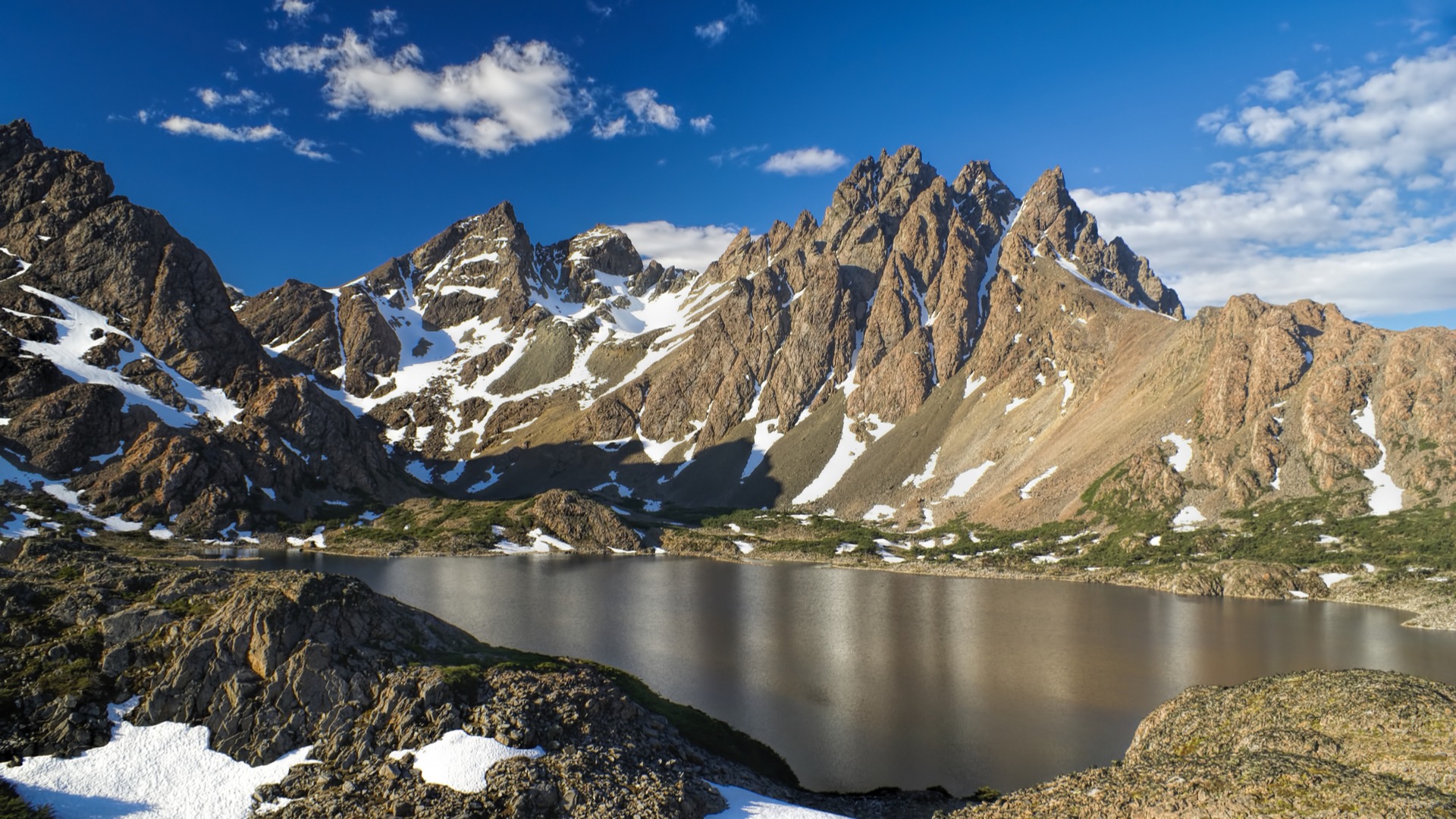
Low clouds, dense vegetation reaching the water's edge and glaciers visible in the distance under clear skies create panoramas typical of wet Patagonia. The slanting light of early morning and evening heightens the contrasts between sea and forest.
Photography Tips
From a ferry deck, focus on the first hours after dawn: light is soft and morning mists add depth. A telephoto lens is useful for photographing marine wildlife at a respectful distance. In overcast conditions—common in Patagonia—the grey-green tones of forest and water remain photogenic.
Location and Access
The Moraleda Channel hugs the eastern coast of the Chiloé archipelago and extends south into the Aysén region. Main access is by sea from Puerto Montt or from Castro (Chiloé). No main road runs directly alongside the channel for most of its length. Ferries from Navimag and other local companies are the standard transport.
Nearby
- Chiloé Archipelago — palafitos, UNESCO-listed wooden churches and Chilota culture west of the channel.
- Puerto Montt — main embarkation port to the north, departure point for southern cruises.
- Laguna San Rafael National Park — glacier accessible by sea from the channel, further south.
- Chaitén — small coastal town in the Aysén region, gateway to the Carretera Austral.
Frequently asked questions
Austral summer (December–March) offers the longest days and most stable weather. Marine fauna is present year-round; certain cetaceans are more frequent during austral winter.
Scheduled ferries connecting Puerto Montt to Aysén ports cross the channel. It's the most accessible and cost-effective option for exploring these waters.
Yes. Castro, Chiloé's capital, is a logical starting point. Several maritime itineraries depart from the island and trace the channel southward.
The channel is relatively sheltered compared to open ocean, but Patagonian winds can create short, uncomfortable waves. Consider preventive treatment if you're sensitive.
Waterproof and warm clothing is essential, even in summer. Wind and spray cool you quickly on deck. Layering allows you to adapt to temperature swings.
Want to discover this destination?
Our local advisors design your tailor-made trip.