Valparaiso
Valparaiso
Valparaíso sprawls across forty hillsides overlooking the Pacific. Pastel-hued houses, historic funiculars, and striking street art make it one of South America's most distinctive cities.
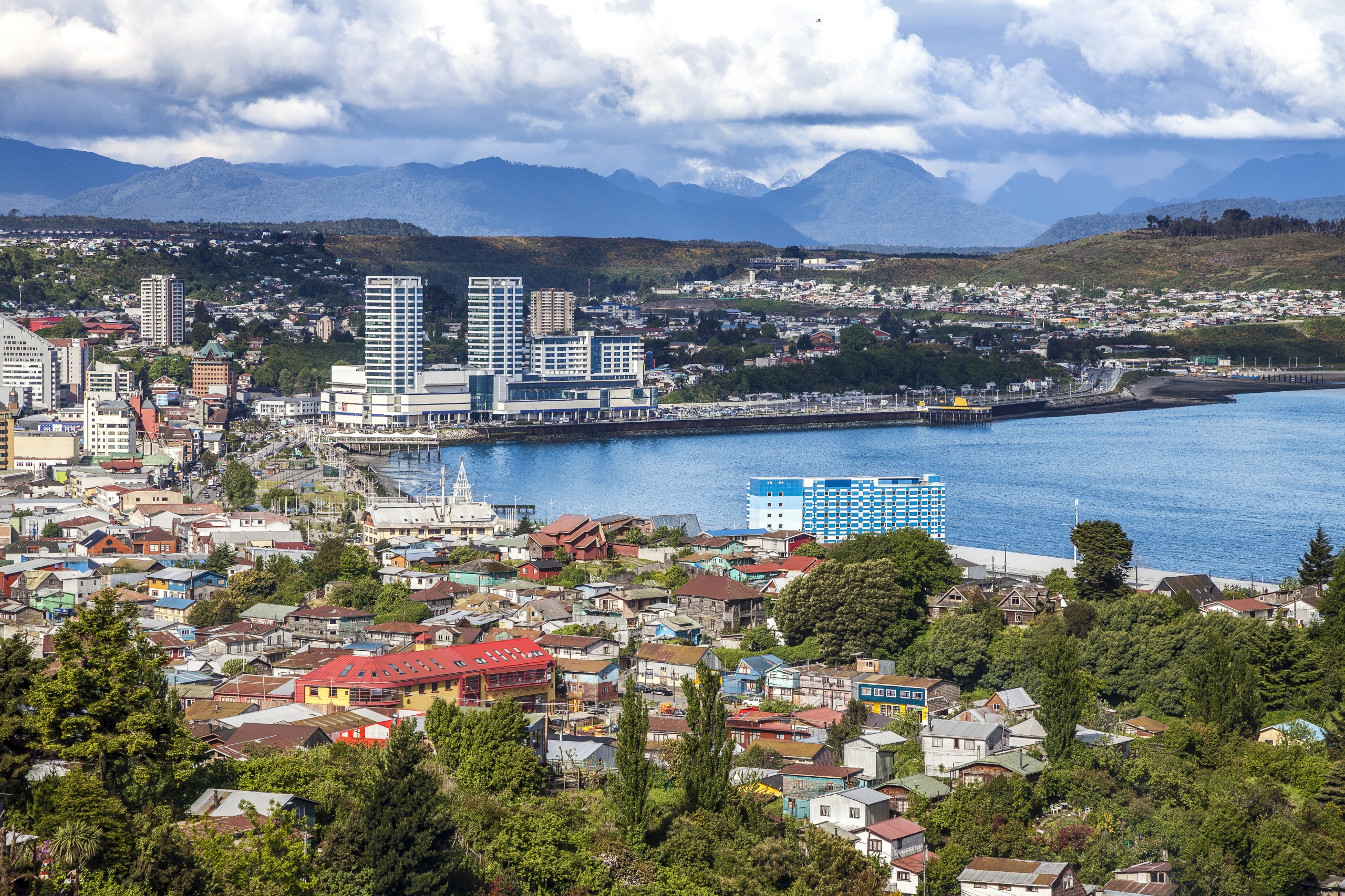
Valparaíso spreads across some forty cerros—hills—that slope down toward a Pacific bay. This Chilean port city is listed as a UNESCO World Heritage Site and is renowned for its vibrantly colored houses, century-old funicular elevators, and alleyways covered in murals. The atmosphere is bohemian, slightly weathered, deeply alive. It ranks among South America's most singular cities.
Quick Facts at a Glance
Access from Santiago: approximately 1.5 hours by bus from the Alameda terminal; frequent connections throughout the day.
Recommended duration: a full day minimum; two days to explore multiple hills.
What to wear: comfortable shoes essential—alleyways are paved and steep.
Currency: Chilean peso; bring cash as many shops don't accept cards.
Safety: stay alert at night in quieter neighborhoods; Cerro Alegre and Cerro Concepción are safe and well-marked.
What to See
The city is divided between the Plan (the lower port area) and the cerros. The Plan concentrates institutional buildings, the market, and docks. The cerros, connected to the Plan by ascensores (funiculars), house most of the architectural and artistic heritage. Painted corrugated tin facades, murals on stairs, and panoramas over the bay define Valparaíso's visual identity.
History and Context
Founded in the 16th century by the Spanish, Valparaíso became South America's premier Pacific port in the 19th century. The opening of the Panama Canal in 1914 diminished this role and triggered a long economic decline. This paradoxical decline has preserved its historic urban fabric, recognized by UNESCO in 2003. The city remains today home to Chile's National Congress.
Highlights of Your Visit
Cerro Alegre and Cerro Concepción
These two adjacent hills concentrate cafes, galleries, boutique hotels, and the most photographed murals. The streets of Templeman, Urriola, and Paseo Dimalow offer a succession of colorful facades and viewpoints over the bay. It's the tourism hub, yet the energy here is authentic.
The Ascensores
Valparaíso has about fifteen funicular elevators still in operation, some dating to the late 19th century. The Ascensor Reina Victoria, Ascensor El Peral, and Ascensor Concepción are among the busiest. Each ride lasts less than a minute and costs only a few pesos—the experience is as rewarding as the view from the top.
Paseo 21 de Mayo (Cerro Playa Ancha)
This viewpoint offers one of the widest panoramas over the bay and naval fleet. Less frequented than the main tourist hills, it provides a more everyday glimpse of city life.
La Sebastiana—Pablo Neruda's House
One of the Chilean poet's three homes, perched on Cerro Florida. Now a museum, it preserves his eclectic collections—ship models, colored glasses, maritime objects—and offers a direct view of the bay from the upper floors.
Cardonal Market and Port
The central market of the Plan is an excellent entry point into daily city life: fish, produce, spices, and traditional Chilean cuisine. The docks let you observe port operations and, depending on the season, sea lions resting on buoys.
Photography Tips
Morning light is ideal on Cerro Alegre: east-facing facades catch the sun early and streets are still quiet. In late afternoon, the sunset illuminates the bay from western viewpoints. The ascensores photograph well from below, framing the cabin within the metal structure. Avoid flash inside La Sebastiana if fragile artworks are on display.
Location and Access
Valparaíso lies about 120 km west of Santiago on the Pacific coast. The neighboring city of Viña del Mar is accessible by regional metro (Metro Valparaíso) in about twenty minutes—the two cities form a continuous urban area. The main bus terminal is located in the Plan, near the port. Wheelchair accessibility in the cerros is limited due to slopes and cobblestones; the Plan is more accessible.
Nearby
Viña del Mar — orderly beach resort with gardens, casino, and sandy beaches, twenty minutes by metro.
Casablanca Valley — renowned Chilean wine region known for white wines (chardonnay, sauvignon blanc), on the route between Valparaíso and Santiago.
Isla Negra — Pablo Neruda's main residence, perched on the ocean, about an hour south.
Frequently asked questions
Southern spring (October-November) and summer (December-February) offer the best weather. Summer is lively but more crowded. Winter (June-August) is mild but rainy; the city remains open and less touristy.
It's feasible but tight. Plan the morning in Valparaíso (hills, ascensores, lunch) and the afternoon in Viña del Mar. Consider a late bus return or stay overnight to make the most of it.
Several ascensores are undergoing renovation or are intermittently out of service. Check on the day of your visit. The alternatives are stairwells, often equally interesting visually.
La Sebastiana is a museum run by the Pablo Neruda Foundation and charges an admission fee. Confirm current rates and hours directly with the museum before your visit.
The tourist zones of Cerro Alegre and Cerro Concepción are generally safe during the day. At night, stay in busy areas and avoid isolated hills. Keep valuables close in the Plan.
No. The city is explored on foot and by ascensores. A car is actually impractical in the narrow alleyways of the cerros. The bus from Santiago and regional metro to Viña del Mar are entirely sufficient.
Want to discover this destination?
Our local advisors design your tailor-made trip.